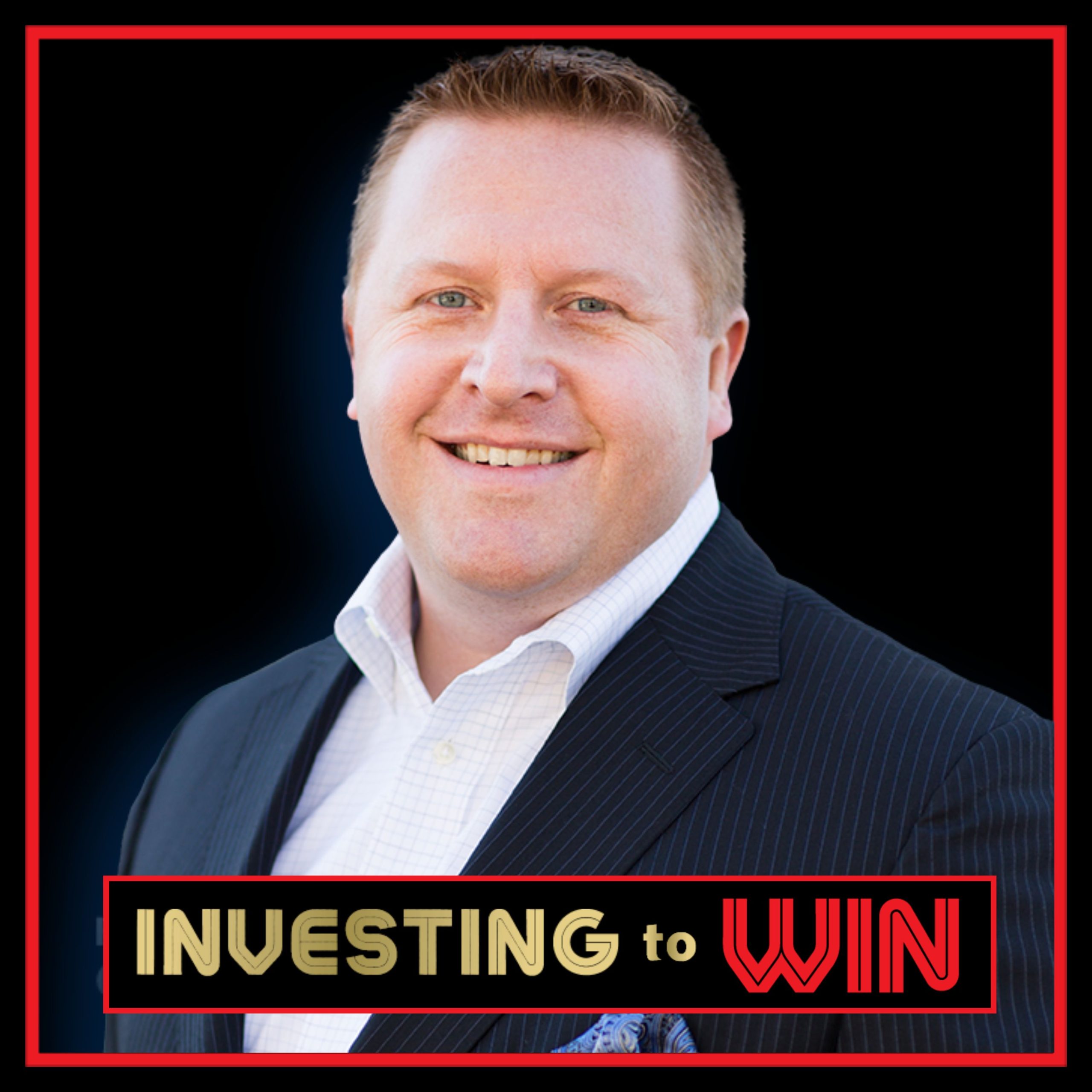
Investing to WIN #073 - Why Business Owners Need Transition Planning Before Selling (Adam Koós)
Most business owners spend years building a company, but very few know what it will actually take to sell it, transition it, or turn it into real retirement security. In this episode, Garret Wong talks with Adam Koós about why waiting until the end to think about selling can leave owners with fewer options, lower valuations, and major regret.
Adam explains why “exit planning” is really business transition planning, and why the best time to prepare is long before you are ready to walk away. The biggest takeaway: a business that can run without you is not just easier to sell, it is usually a better business to own.



Duration: 60:00
Date: Oct 1, 2024
Guest: Adam Koós - President of Libertas Wealth Management
WATCH THE FULL EPISODE:
Want the full experience? Watch directly on YouTube to support the channel and get recommendations for similar episodes.
What You’ll Learn
• Why business owners should stop thinking of exit planning as an end-of-career decision
• How a company’s value can be reduced when the owner is too central to operations
• Why most businesses never sell, and what owners can do differently
• The difference between selling assets, selling shares, and preparing for a real transition
• Why retirement planning for entrepreneurs must include both money and identity
• How to think about valuation from the buyer’s perspective, not the owner’s emotions
• Why planning three years ahead can create more options, less risk, and better outcomes
Memorable Moments
“I gotta save these people.”
“Sales is just educating.”
“Plan now, plan now and plan now.”
Episode Summary
This episode helps business owners understand why selling a company is not just a transaction. Many owners assume they can call a broker, get a valuation, and walk away with enough money to retire. Adam Koós explains why that approach often leads to disappointment, especially when the company depends too heavily on the owner.
What is surprising is how many businesses never sell at all. Adam explains that owners often overestimate value because they are emotionally attached to the business, while buyers are looking at risk, systems, financials, leadership depth, and whether the company can operate without the founder.
This conversation is especially useful for business owners who may want to sell in the next five to ten years, or who simply want to build a company that is more valuable, more transferable, and less dependent on them personally.
Chapter Timestamps
[00:22] – Adam Koós introduces Libertas Wealth Management and Elevate and Exit
[02:12] – How Adam pivoted from medicine into financial planning
[08:52] – The Libertas approach to financial planning and retirement readiness
[12:29] – Why Adam focuses on saving clients from bad financial decisions
[16:57] – The business owner statistics that create transition risk
[24:02] – How Elevate and Exit started during COVID
[29:09] – First steps for owners thinking about selling their business
[36:46] – Why owners should plan years before they want to sell
[52:37] – The emotional side of selling a business and life after work
[57:22] – Adam’s top advice for owners planning to sell
About Adam Koós
Adam Koós is the President of Libertas Wealth Management in Columbus, Ohio.
He is a senior financial advisor and portfolio manager who works with business owners, executives, and professionals on financial planning and investment management.
Adam also leads Elevate and Exit, a business transition planning firm focused on helping owners prepare their companies, finances, and lives for a future sale or transition.
In this episode, he explains why business owners should think about transition planning long before they are ready to exit.
Full Episode Transcript
Garret (00:02.432)
Adam Kosch, welcome to my podcast.
Adam D. Koós, CFP, CMT, CEPA (00:05.285)
Thanks so much, Garrett. Appreciate it. This is a, really appreciate you jumping me out. I think we're gonna have a lot of fun today.
Garret (00:09.75)
I agree. Lots of diverse topics here. I have so much I want to ask you, but I think the audience needs to hear a little from you first. Why don't you do the whole podcast thing and give a little bit of a background for them. Yeah.
Adam D. Koós, CFP, CMT, CEPA (00:12.409)
Yeah.
Adam D. Koós, CFP, CMT, CEPA (00:17.157)
Ha
Adam D. Koós, CFP, CMT, CEPA (00:22.075)
The podcast thing. I love it. Yeah. All right. So I am a senior financial advisor, portfolio manager and president of a Libertas Wealth Management Group in Columbus, Ohio. That's that firm is a financial planning and investment management firm for primarily business owners and executives. So D -suite, C -suite executives, working professionals. And that company basically helps people make work optional someday and stay that way.
but then I also, lot of what we're gonna be talking about today, I also own another company called Elevate. The full name of the company is Elevate and Exit, and that's the website, elevateandexit .com. Libertas is libertaswealth .com. You can also get ahold of me on LinkedIn if you'd like. It's a real easy way to get ahold of me there. anyway, so Elevate is a business, I like to call it a business transition planning firm. It's not.
I tell people they need to get the phrase exit planning out of their vocabulary because it's just, it insinuates that it's something you need to do at the end of your career. When truth be told, exit planning is something you need, really owners need to do as soon as humanly possible. And I know we're going to talk a lot about that, so I'm not going to get into it now, but that's what Elevate does. That's what we're doing. So we're bringing awareness to the business owner community because there's not enough of it, not nearly enough of it.
And then we're helping people plan so that they can, again, make work optional and ride off into the sunset with their company being worth something for themselves and their families.
Garret (01:52.782)
Well, as a business owner and a lot of business owners that are listening and tuning in, I think that topic is one that I centered on. So thanks for not stealing my questions there. It is my podcast. I'm to be asking them. No, I'm just joking. No, let's back up a little bit. Appreciate the intro, but how'd you get into financial planning? Walk me through that.
Adam D. Koós, CFP, CMT, CEPA (02:03.355)
Of course. Of course.
Adam D. Koós, CFP, CMT, CEPA (02:12.439)
boy, I won't kill our time with that long story, but I'll give you the CliffsNotes version. I went to Ohio State to be a trauma surgeon. That wasn't the plan in the beginning. The plan in the beginning was to be a doctor of some sort because I always wanted to be just like my dad, who to this day is still my idol, best friend, and the person I respect the most and look up to the most. But I guess the CliffsNotes version is that I had a...
Couple things happened to me in college where things were going great and then had something kind of happened to me in college that caused a huge pivot. I kind of felt lost. Didn't really know what I wanted to do with my life, but I remember calling my dad on the track to take the MCATs the following summer and just kind of said, hey, I've been through a lot this year and I've just decided I don't want to go to school for seven more years. Between four years of med school, two years of surgical fellowship, one year residency minimum.
And he says, are going to do? And I honestly didn't have an answer. was like, I don't know. I thought about nursing. But then I felt like I don't know, nothing against nurses at all. just, only reason I wanted to do nursing or considered it was because I love medicine. I just love surgery and things like that. To this day, joke, I don't joke, it's serious. I still look at surgical videos on YouTube. I love watching surgeries. You know, everybody has their vice, but that's one of mine.
And then I said, I thought about maybe even pharmaceuticals because that's kind of in a medical profession. But then I worried about, you know, kind of being a subservient or a servant to doctors and how I'd feel about that. Then I thought about software sales because I love computers and technology, didn't. So bottom line, I didn't know. I had no idea. And he says to me, what about being a financial advisor? I was shocked. I'm thinking he suggested that. And I said, and I said, dad, you know, I took one econ class in college and
Garret (04:00.364)
Your dad suggested that. Wow. Okay.
Adam D. Koós, CFP, CMT, CEPA (04:07.311)
It's at that point anyway. And I didn't even know what the symbols at the bottom of the ticker tape on CNBC meant. So he says, yeah, but you know, you're, really good with people. And he's like, you're a really honest person and you know, you, you've got that virtual stock exchange account you're always messing with. And honestly, it would be a lot like being a trauma surgeon, except you're doing financial surgery instead of instead of physical surgery. And so sometimes maybe it's the OR sometimes it's the ER, but he's like, talk to my financial advisor, you know, see what you think. So.
I went up and I talked to his advisor up in Cleveland and honestly I was, still wasn't interested. And I just thought, you know, this is too big for me. Like I, I felt it was such a huge pivot that I, you know, I wouldn't have a clue what I was doing. I felt a little bit, you know, kind of in a, in a pitch black room with a bunch of furniture. just, you know, meant for me to trip over. And I, he, the guy told me, he says, go down to Columbus, you know, go back home and go to this, you know, seminar. And, if you, if you like what you see, let me know. and, you know, we'll.
we'll probably hire you on the spot, if you don't, then just don't call me. And I went to the seminar and what got me is that my impression of the financial services industry was one of lack of ethics and, you know, just moral displacement and bad people and crime, you know what I mean? So that was my problem with it. And that was the biggest reason I wasn't interested. So when I saw that the firm I was basically talking to would essentially, once I became profitable, put me in an office by myself and I didn't have
some superior up here telling me what to do and how to do it. And I hate to use the word sell, but that's at the end of the day, that's what it was, you know, sell telling me to sell my clients XYZ or ABC product when it didn't make sense for them. thought, you know what, this, this might be worth a shot at least, you know, why not give it a shot? So I told him, I tried out, I just fell in love. So, very, very quickly fell in love with, what I always like to tell people is like, I, I, I love saving people and, and I have a almost a, unhealthy obsession.
with ethics in this industry. so, our goal here at our office, whether it be with the Libertas side on retail financial planning or the Elevate side of business transition planning, our goal is to save people, whether that be from themselves, from other bad advice or what have you. So that's how I ended up where I'm at. And here we are 23 years later.
Garret (06:23.118)
Wow. So you actually listen to your parents. You know, it's, funny. I, I, I had a pivot 180 degrees out of a PhD in molecular biology of all things into real estate, right? So I, I feel where you're coming from. It's hard to make a major pivot when you think I'm just going to make a micro course adjustment and kind of stay there. So good for you for finding your calling. I'm just, I can tell you with, with my parents, when I came to them, mom, dad, I think I want to
Adam D. Koós, CFP, CMT, CEPA (06:25.891)
I did, I did. It's funny.
Adam D. Koós, CFP, CMT, CEPA (06:34.941)
cool.
Adam D. Koós, CFP, CMT, CEPA (06:48.333)
Accidents happen.
Garret (06:53.038)
quit my PhD. They didn't say it's okay son you can go to financial planning. Completely different different narrative there.
Adam D. Koós, CFP, CMT, CEPA (06:58.811)
Yeah. Well, at the risk of, I don't know, I think that I was very lucky and I think that I have a very great father and I think that I was going to say not at a nine out of 10, but I'm going to say 95 out of 100 parents probably would not have had that response. So I think the standard response is more what in the world are you doing? You know?
Garret (07:20.088)
Yeah. Well, good for you for a good to go to him to actually think of financial planning. that's, what do you think now that looking back, he was thinking of that other than saying that you're good with people. Did he see something in that financial planning, like some kind of worldly need?
Adam D. Koós, CFP, CMT, CEPA (07:36.109)
I think that what he honestly, I've never been asked that question first of all, and I've never asked him, so I don't know. But if I had to speculate, I think what he saw in me was a gift in communication and education. I love teaching. I'm a pretty good communicator. And I think that what he saw in me was the ability to build a business.
helping people and, that it probably didn't matter whether it was finance or not. That was just probably the first one that hit him. And that's what probably made sense at the time. but to, to bring that home, what he said to me when I asked him, cause I didn't work for a national brokerage firm for very long. I only worked at this firm for two years and 10 months. And then I, I left and started my own company when I was 25 years old. And the first question or the only question I really asked him at the time was.
you know, being a business owner yourself, you know, he was, had his own practice. And I said, what advice would you give to me, you know, to be successful in life? And he says, just pretend like everything's in tomorrow's front page and the rest to take care of itself. So, that's what I did. And that's what we do.
Garret (08:48.717)
Mmm.
Garret (08:52.406)
Okay, so tell me about, I guess, high level libertas and what you guys do and then I guess your sub specialty.
Adam D. Koós, CFP, CMT, CEPA (09:00.347)
Sure. High level Libertas is, you know, it doesn't really matter how we find them. It could be a referral from a current client. It could be a referral from a CPA attorney, &A broker. could be somebody who finds me on LinkedIn. You know, it doesn't really make a difference. Somebody who, you know, finds me on this podcast even though that happens quite a bit. We basically take them through a process that starts with an intro call, just 30 minutes, just getting to know each other. At the end of the call, either A, we're going to find out that we've got a good fit and we want to move forward or B, we part as friends. That's it.
If we decide to move forward, then the next step is a two and a half hour discovery meeting to get all the information we need to put together a full -blown comprehensive retirement plan, retirement income plan, tax plan, insurance plan, estate plan, investment plan at the end of the third meeting. The second meeting is a 60 minute education meeting just to go over how we're structured as a fiduciary, what that means to them and their family, some investments one -on -one, treat them like a fifth grader, and kind of getting in the weeds in terms of
Our model portfolios, have 18 different model portfolios we use to implement those financial plans. And we just kind of hit them from a 30 ,000 foot view, because most people don't want to be a pro when it comes to investments. And then we talk a little bit about market risk, volatility, market crashes, things like that at end of that meeting. And then the third meeting is a financial planning meeting. It's usually about 90 minutes long, usually less actually, but this is where we take everything we've learned about them. And those first three meetings, the intro call, discovery, education meeting, and we're putting together cashflow analysis from now till retirement, assuming they're still working, that is.
And then for those that are retired or want to retire someday, which is everybody, or at least for the most part, there's some workaholics out there. I think I'm one of them. But for those people that are already retired, we're looking at cashflow thereafter, not just fixed expenses, but variable expenses for things like vacations, downsizing to a new home, vacation homes, fun cars if they have any car habits, road trips to visit the kids, grandkids, helping out with college savings. So anything goes into this plan. And then we want to find out if we're on track, great. If not, what levers do we need to pull to get there?
and make work optional. And then in retirement, you know, making sure that we're staying on track in terms of spending income, whether that be pensions, social security, systematic withdrawals from portfolio assets, and then big ancillary items like, you know, like I said, tax planning recommendations, insurance for everything from like we're fiduciary, we don't sell insurance, but we still advise on it. So everything from PNC, so home and auto insurance, liability umbrellas, health insurance, long term care, and then estate planning, you know, making sure that, you know,
Adam D. Koós, CFP, CMT, CEPA (11:22.565)
we build a great plan, but all of a sudden something heaven forbid happens to one or both of the spouses and it just blows up the whole thing. So that's crucial. And it's really the kind of last thing we fixate on, if you will. So that's Libertas. And I probably went into too much detail there.
Garret (11:37.558)
No, it's really good because I have a lot of financial planners on or people who used to maybe work for a bank or mortgage brokers. mean, you, you sort of said, I mean, I'm not going to be putting down any kind of industry or people, but I mean, I, used to be a realtor as well. And I just found that there was a certain reputation, you know, door to door sales or whatever you want to call it. That's distasteful, I guess. And you're constantly trying to fight that.
that persona because you want to be a different person. And I found like you did, Adam, that education seems to be really what makes you shine above others. You said something to me that kind of resonated a few minutes ago and you also teach people how to save them from themselves. Why don't you elaborate a little bit on that?
Adam D. Koós, CFP, CMT, CEPA (12:29.019)
Well, that's, that's ironically, well, two things. One, it's, it's ironically like exactly what you were just talking about is that I hate that part of our industry. I, it's, it's the reason there's the only reason I might not even be sitting here today is because of the sales and the pushiness and that, that you said door to door salesmanship, then it's, terrible. Right. And unfortunately there's no shortage of it. I mean, it's not like it's gone. It's not like, you know, the industry has changed all that much, even in the 23 years I've been doing it. So.
A lot of times my mentors were more teaching me, they didn't know it at the time, they were teaching me what not to do. But that was a long time ago. But as far as saving people from themselves, think that with individuals and couples, it's definitely prevalent. have this thing that in the industry, we talk a lot about called the retirement readiness problem, where most people just aren't ready to retire and they're not even on track. And we're talking easily more than 50%. Now, if you ask them, it's worse.
Garret (13:04.034)
Right.
Adam D. Koós, CFP, CMT, CEPA (13:28.003)
I think that saving people from themselves include making sure that they understand what they need. Cause most people don't have a financial meeting with their spouse every month, you know, let alone every year to kind of talk about what they've done, where they want to be, how they're doing. So I think that we like to look at it like the client is the owner of the football team and we're the head coach where we are, you know, picking who sits, who starts, who's drafted, whether we're on offense, defense, what plays we're calling. But at the end of the day, you know, they're, you know, they're the Luke Skywalker. We're just Obi -Wan.
Garret (13:48.449)
Mm
Adam D. Koós, CFP, CMT, CEPA (13:58.101)
And so I think that we have to help them save them from making bad decisions, even if they don't know they're making them. So from the retail client standpoint, that means non -business owners. think that's a part of it. I would have to say there's most, I think most people know they need to do some kind of retirement planning at some point. I just think that they usually procrastinate. With owners though, business owners, it's a completely different ball game. When we say we want to save owners from themselves, it's because
they're usually doing well. You've heard the statistics. You and I both know that most businesses fail after one year and even more fail before two years. So if you've been around for five years, seven years, 10 years, 15 years, chances are you have a successful business and you're doing relatively well in life. And if you ever think that you're not doing well, it's kind of like climb to the tallest mountain in town and complain about all your problems and see who cares.
I think that owners, because they do well, generally speaking, tenured veteran business owners, I don't think they have a clue all the things that they need to do to prepare themselves for not only retirement, but to prepare themselves and how they prepare their business and understand how that business fits into that puzzle. unfortunately or fortunately, whichever way you want to look at it, the business is the biggest part of that puzzle, but it's treated like it's the smallest part.
Garret (15:25.358)
Mm -hmm. No, I mean, speaking as a small business owner myself, and I believe the stat also, Adam, is after 10 years, 97 % of businesses fail or something like that. Like it's a horrendous number. It's ridiculous. And I think it's 65 or 70 % of those 97 % are single owner operator type businesses who think they're in business. But then again, that retirement planning, because I can tell you,
Adam D. Koós, CFP, CMT, CEPA (15:37.499)
crazy.
Garret (15:53.614)
My first pivot was quitting my PhD. My second pivot was quitting a government lab job. Basically I worked for the virology lab here in Winnipeg as a research scientist technician, but that's where you have that, you know, they take your best five years, et cetera, et cetera. You know, your rule of whatever it is. And I would have retired, I guess, 10 years from now with a government pension. Now as a business owner.
I know that I have to retire at some point, but I have no clue what that looks like, right? I'm probably one of your typical clients. Walk me through that. What do you say to that business owner?
Adam D. Koós, CFP, CMT, CEPA (16:32.281)
Yeah, mean, I'm not laughing at you, by the way, I'm just, laughing with you. Cause if I wasn't in this business, I always say this, if I wasn't in this business, I wouldn't be doing it for myself. Because I wouldn't know any better, but it's it's kind of like, you know, the doctor knows what not to do with your health, you know, and then, and then doctors are the worst patients, right? But anyway, I think that, I think the first thing you need to do is just get educated.
Garret (16:36.066)
It's all good.
Adam D. Koós, CFP, CMT, CEPA (16:57.051)
I know we've already kind of beat that horse to death, so I don't want to spend too much time there, but I think most owners aren't aware and we're talking, you and I are. So you now you are, but you know, 80 % of business owners net worth is in their company. That's, that's the eyeopening statistic. Now it's only eyeopening to the people who are listening to this or watching this podcast who don't own businesses. If you own a business, you're going, yeah, I guess you're right. You know, that makes sense. but.
the statistics that really blow people away, owners included, and this is why they need to do planning, is that another 80 % of businesses never sell. They dissolve at the end of the day. In other words, they and their family are left with nothing. Now, of the 20 % that do sell, roughly 75 % sell for less than market value, which is also sad. So if you're one of the minority that actually sells your business at the end of the day, then you're gonna sell it for less than it's worth.
And that's the statistic. That's just how it is. So I think the first thing is just getting educated, becoming aware and realizing there's a problem and that every owner has this problem. Not some all owners have this problem. Unless you've gone through the planning process, of course. And then from there, the next step is to start working on attacking the problem, know, planning for it. And that's that's difficult because most business owners are extremely busy and they don't have time to work on their business.
let alone the amount of time that's required to really work on it in the right way in terms of, you know, all the things that you need to do to do successful business transition planning. And I don't want to jump into it unless you want to, so I'll stop there.
Garret (18:32.14)
Well, I mean, I'm going to, I'm going to lead you there, maybe a little bit different way. said working on your business, not in your business. What I kind of translate late working on your business is always business growth, not business exit strategies and things like that. I wanted to ask you, Adam, like, let's talk about it. mean, random, just off the top, trades. Okay. Lots of trades out there, obviously being in property management, like we have.
you know, close to 20 employees now. So I can kind of picture what my business will sell for. And you kind of think of it that way, you know, so many times EBITDA, et cetera, et cetera. But a lot of people are making a lot of money in the trades, whether you're an electrician, a contractor, whether you have two trucks or you're by yourself, you're making a lot of money. Tell the audience for those plumbers that are listening.
is their equity in their companies? Because a lot of these people I talk to, just you're right. They just wrap it up when their back hurts or their spouse is saying, hey, it's time to slow down. And then what do they do for retirement?
Adam D. Koós, CFP, CMT, CEPA (19:37.647)
I would say that if you're somebody who likes to read personal development books and you've read books about your business and growing your business, I think that you're on the right track. You're not there, but you're on the right track. think that if you're one of the businesses you're talking about, which is not just limited to plumbers and HVAC people and construction work, I think it's lots of companies. I think that the answer to the question is, is there equity in their company? Is it worth something? I think there's two answers. The first answer is maybe.
But more importantly, I think that the answer is yes, if, dot, dot, dot. And I think that comes right back down to that planning. think that many times you have people who they think their business is worth something. it's almost like earlier on in your career as you're hitting that maturity level, you your company's in the maturing stage, you think your company's probably worth something, but you don't know how much and you really don't know much about it. And honestly, you don't really care because you're not going to retire next year, right? You're not selling. So you don't worry about it. You just kick the can down the road.
And then as you get closer to exiting, then you start Googling things. Maybe you start running numbers. Your friend tells you something. You go to a, you know, a chamber meeting or an association meeting for the tree. know, the, a bunch of other plumbers are hanging out and, know, somebody who's older says, well I've read that it's this, you know, and then you put that down and you, do the calculation. say, well, this is what my company's worth, but you, you, it's not nearly enough work. I mean, that's not, it's.
You have to look at things from the standpoint of a buyer. know, and it's really hard when it's your company to look outside the box because it's your blood, your sweat, your tears, your effort, your failures, your successes, the ups, the downs, the roller coaster, right? So I think that's really, really tough to see, to look at your business objectively from the standpoint or from the eyes of or through the eyes of a buyer. So I think the answer is maybe and yes, if blank, if you do the planning.
Garret (21:36.526)
Okay, so like what goes through my mind for so -called retirement is I need X amount of dollars at our invested capital into something like obviously I'm in real estate, maybe I would do that or I diversify. Is it as simple as just dividing that and that's what your monthly income should be based on your lifestyle?
Adam D. Koós, CFP, CMT, CEPA (22:00.005)
Can you repeat that one more time? I'm not sure I understand.
Garret (22:02.39)
No, I guess when people are planning retirement and this could be for a business owner or just a regular person, regular person, that sounds so bad. I have to edit that out. A non -business owner, I'll probably leave that in. My audience knows that I speak from the cuff, but sorry. So, you know, when I say regular person, I mean somebody who is working, they're contributing into like up here in Canada, pension fund or 401k, whatever you want to call it.
Adam D. Koós, CFP, CMT, CEPA (22:18.318)
You're -
Garret (22:31.852)
And they have a set plan. That's what I mean by so -called regular people, not a crazy business person that's going to go flying off the cuff thinking you have a great idea and now you don't have a retirement plan like me. So, know, quote unquote, the ordinary people who are working towards that, they're going to have their pension plan. But for somebody who doesn't have a pension plan or maybe they worked in a bunch of different industries for their career, what I'm saying and what I've traditionally been taught is you need a certain amount of money.
in the bank, you have to predict how long you're gonna live, hopefully a long time. You have to invest that money somewhere so you're getting something so that the capital, your principal story is not dwindling as you're drawing down on it. And then you're basically just dividing by the number of months that you think you're gonna be around on this earth. That's kind of redefining my question.
Adam D. Koós, CFP, CMT, CEPA (23:24.587)
Yeah, okay. Yeah, I mean, and there's the question, is that true or is that how it
Garret (23:29.41)
Yeah, is that mainstream thinking and is that actually accurate?
Adam D. Koós, CFP, CMT, CEPA (23:32.943)
I think so. I think for the people that do think about it, that's probably how they think about it, sure. I think the bigger problem is that most people don't think about it at all.
Garret (23:42.828)
That is true, live for today, blah, blah, blah. Yeah, so that's a good segue into business owners though, because I really wanted to talk about your other passion, your other business that I read about on your bio. Tell me a little bit about why Elevate and Exit, how that came to be and why you chose to subspecialize.
Adam D. Koós, CFP, CMT, CEPA (23:44.667)
That's right. Yeah, I'll worry about it later.
Adam D. Koós, CFP, CMT, CEPA (24:02.363)
That's a fun story actually. So we all went through COVID. So what happened to us here at our office or me is that we were used to having about 25 appointments a week and being extremely busy all the time. And we're busier now than we were then. And I've also had an issue my whole career of once I've built something or whether it be a system process, whatever.
And it's about as perfect as it's going to get. There's been times years ago where I would try to change it again because I was just for the sake of change because I was bored with it. And learn that was not a very smart thing to do. So what I've done instead is I start something new, a new initiative, what have you. For instance, in COVID, we went from 25 appointments per week to having three appointments in eight weeks. So you can do the math there.
We always joke happy hour got earlier and earlier every day. but the first initiative we put out was this initiative where we build, something we called a my promise kit for all of our clients, fireproof safe, USB ice key with important information on it. I won't get into the whole thing, but basically it's picture their entire life. You know, they're invited for financial house, everything from the deed to their house titles to their cars, prescription drug lists, medical surgical history.
insurance statements, brokerage statements, insurance policies, they're placed with their passports. Everything goes in this kit so that, you know, not just having an estate plan is fine, but you need to have something like this, instructions, a password organizer, should something heaven forbid happen to you or your spouse so that, you know, at the time, time like that, that's the last thing you want to worry about is money, how to pay the bills, you know, dealing with stuff like that. So we built that initiative and it was fun and we started implementing it. But then it was like, again, COVID was a long time. It felt like forever. And so I started reading
Lots of books. And one of the books I picked up was called Walking to Destiny by Chris Snyder, the founder of the Exit Planning Institute and also the sponsor of the SIPA designation, which stands for Certified Exit Planning Advisor. And it was the first few pages of that book. And I already shared the statistics that, you know, that I read to you earlier. The, you know, 80 % of business owners net worse than their company. 80 % of businesses don't sell, they dissolve. And 25%, I'm sorry, 75 % of the 20 % that don't sell, sell for less than market value.
Adam D. Koós, CFP, CMT, CEPA (26:23.739)
And then another 75 % of owners surveyed say that they strongly regret selling their companies a year later. and all of these statistics blew my mind. but the appropriate emotion though, honestly, there was two, two that stuck out. It really made me mad. Garrett, it made me really, really angry because I've had a lot of success in my career, but I've had no shortage of times when things suck.
Garret (26:34.183)
wow.
Adam D. Koós, CFP, CMT, CEPA (26:53.595)
I mean, business sucked, income sucked. I've had times earlier on in my career in the late 2000s when the market crashed in 08 where I wouldn't tell my wife, but I would come home and I was looking for things to sell on eBay to pay the mortgage. mean, so I'm looking at these statistics and I'm going, you've got to be kidding me. Like to think at the end of my career that there would be nothing for me and my family, it made me so mad. And then...
All I could think, like I got that lump in my throat that you get when you get excited about something. And I'm thinking, I gotta save these people. I gotta go find these people, share these statistics, frankly, scare the crap out of them so that they'll take action and then start helping these people, you know, plan for this stuff now, as opposed to waiting until it's too late, you know? So that's, that's how this company started. And so, you know, when I, decided I was going to do this, the second, second, you know, call to action was.
Garret (27:26.412)
Mm -hmm.
Adam D. Koós, CFP, CMT, CEPA (27:49.435)
How do I get in front of owners? Right? Now I had at the time maybe, I don't know, 15, 20 business owners who were clients, but we needed more. So we started Elevate and then we started doing live in -person educational events for a couple of years. And then we started doing virtual events. Now for the most part, we probably have, I don't know, eight to 10 virtual events, webinars that we record. They're live. Everybody's anonymous because nobody wants to talk about exit planning. You know, I just said to get it out of your vocabulary and I just said it, but.
Nobody wants to talk about business transition planning in front of a group and have everybody looking at each other in the room going, wait a minute, are they selling? know, is Garrett selling his company? is Garrett selling? And then Garrett doesn't want anybody to know he's selling, Whether he is or not. So I think that, you know, these virtual events have been great. We replay the webinars, then we do a podcast, then we do an article typically. So it's bringing the educational awareness out there. And that's how it all started. That's how Elevate came to be.
Garret (28:29.26)
Right, right.
Garret (28:45.09)
Love it. You know what? think bigger purpose is something that should drive us into what we do. That's why I do what I do in educating. So I commend you on that. let's talk about just a basic, right? When a business owner starts thinking about selling their business, what's the first things that they should think about? What's the first steps that they should do?
Adam D. Koós, CFP, CMT, CEPA (28:55.205)
Thank you.
Adam D. Koós, CFP, CMT, CEPA (29:09.573)
Yeah, first thing I think just Google, know, just get educated, start learning the basics. That's the first thing. Second thing, if once they get into the weeds, they need to work with, they probably need to work with somebody who really knows what they're doing. There's a couple organizations out there. The Exit Planning Institute is the one I'm most familiar with because that's, I'm a SIPA personally, know, a certified exit planning advisor. There's another one. I don't want to speak to that one just because I don't know enough about it to talk in an educated fashion. So.
but there are other designations out there of financial advisors who know that world and know it well. So I think that that's the second thing is just finding somebody who can kind of be your guide, be your Obi -Wan, so to speak, and then start going through questionnaires and figuring out what you want. It's like, don't know, most people don't know what to ask. They don't know enough to ask the right questions. So I think that the first thing you wanna do is A,
go through a discovery questionnaire, which is what we do, highlighting a ton of different things about your company, where it's at, where you want to be, questions you've probably never been asked before. No, I guarantee you there's questions you've never been asked before. And then from there, the next part step is doing some assessments. One is kind of a, I'll call it a Cliff's Notes assessment on your business. And then the second is more, a more advanced deep dive into evaluation. So getting an actual valuation of what your company is worth today.
and getting to within a 90, call it 90 % confidence level. Now, a lot of times people aren't gonna like that number. And that's why we're planning. I always try to caution people like, hey, when we see this number, you're probably not gonna like it. But that's why we're doing this planning is to get it not only where you want it, but higher, right? And not only on an absolute basis, but a relative basis, get your multiple up. So that's step two. And then step three is, well, there's four steps, I guess, but step three, if we boil it down into four steps.
Step three is a personal retirement plan for the owner and the spouse or owners because while earlier we talked about 80 % of business owners net worth being in their business, that's why it's such a huge piece of the puzzle for retirement planning is that, know, that's, that's, I mean, it's the biggest nut, right? So I think that step three is doing a personal retirement plan to find out A, what have we saved B, what do we spend C, what's retirement look like for us in today's dollars? We can extrapolate it out in the future. That's easy.
Adam D. Koós, CFP, CMT, CEPA (31:29.915)
But then what's the business need to be worth so we can ride off into the sunset and do all the things we want to do, hit every item on our bucket list without ever having to worry about going back to work? Or at least, you know, doing something else we love. And that's, that's actually the reason why 75 % of these owners strongly regret selling is because they didn't have a plan for what life looks like. would say life after football, you know, in football, were talking about like the life, the lifespan of an active career of a football player is very, short, like you're done in your twenties. And then
all you've known your whole life is football. Well, business owners, all they've known their whole lives is business, right? Running a company. So you can't just say, well, I'm gonna try her and then say, well, what are you gonna do when you quit working? Well, I don't know. Hey, got at the retirement home, you know, hanging on the beach, like, what else are you do? Because you work like 50 to 60 hours a week, you have to replace that time with something that stimulates you something challenging, right? I mean, you just got done asking me why in the world I set up elevate, I can't did it because I was bored. And I wanted to get challenged. And I want to save people. Well, what are gonna do when you're done working? Right? So
Garret (32:16.12)
Yep.
Adam D. Koós, CFP, CMT, CEPA (32:28.527)
And then step four is implementing that plan, know, taking that plan from beginning to end. can take as short as four to six months, as long as a year or longer. but it's a, it's a process.
Garret (32:39.49)
You know, a couple of years ago, I had two very serious life scares, false diagnosis that gave me four months to live. Obviously I'm still here. Yeah. And then three weeks after I celebrated the, I guess all clear, got back from Hawaii, almost drowned in a boating accident with my oldest son. So I guess that is sort of a primer to say, you know, I was...
Adam D. Koós, CFP, CMT, CEPA (32:58.021)
God.
Garret (33:05.291)
I needed to think about maybe going in a different direction, maybe explore back to my roots of real estate. So I started thinking about selling my property management company. And the first thing I think that most small business owners think is, maybe I'll contact a business broker. Now I didn't do that, but I get these emails all the time. And the four step process that you just told us, definitely I would have.
not done that and had I been serious about calling or selling the business, I probably just would have spoken to a broker. He or she would have, they probably would have just said, okay, we think your business is worth X and then boom, I'm out the door. And without, and not knowing what am I going to do next, all of those steps. I'm just almost just flabbergasted that and thankful that didn't happen. How many business owners that you know of just talk to a broker and then they're done?
Adam D. Koós, CFP, CMT, CEPA (33:54.02)
for sure.
Adam D. Koós, CFP, CMT, CEPA (33:59.225)
Most. I want to say all because that's, I don't know. Have you ever read the book, Thinking in Bets by Annie, Annie Duke? It's a great book. It's, it's, it's just reframing your mind in business and personally in your personal life, not to think in black and white. Like this is that, or this isn't that it's, it's, you know, probabilities. So I don't, can't say that all, but I think most, very high number, high percentages of owners, that's what they do. You know, when you think of
Garret (34:06.509)
No.
Adam D. Koós, CFP, CMT, CEPA (34:24.987)
selling your company, well, how are you gonna sell it? Well, you need to find buyers, right? Well, how do you find buyers? You get ahold of a business broker. And you hit the nail on the head. You were 110 % correct. Business brokers are awesome. They're awesome people. They're great. It's sure great that they exist, that's for sure. And they do a lot of amazing work, and I could not do my job without them. I have a couple that I work with. But at the end of the day, mean, if you wanna sell your company and you're like, hey, I'm out, you we had a situation recently with
with, I'm not going to get into too much detail because I don't want to get somebody to hear this and think it was, you know, we're talking about them. But we had a situation where somebody wanted to sell their company. They had an idea on evaluation. It was way off, way, way, way too high. They weren't willing to do any of the even emergency things we recommended to get them ready for sale. And when I say ready for sale, they weren't going to be ready. But the things you have to do in their situation, they weren't willing to do it. And they wanted the price that they wanted and that's it. And then it's a stalemate.
Garret (34:58.616)
Sure, of course.
Adam D. Koós, CFP, CMT, CEPA (35:24.151)
And by the way, that's one of the many reasons why these businesses dissolve. says they just, they just, they won't compromise. You know, they won't, it's, it's, if you don't want to do the planning, fine, but you're to get less money. Period. That's it. If you, and if you don't like that, well, I'm sorry, I don't know what to tell you, but, I'm going off the rails here. Sorry. get all pumped up about this stuff. But, but yeah, I think that, I think that most owners go to a broker. They, they say, here, here's my company. They open up the books. They look at the books. They do figure out what, you know,
Garret (35:46.005)
No, it's all good.
Adam D. Koós, CFP, CMT, CEPA (35:53.887)
the financials look like they come, they, they figure out an absolute value. They compare it to others using NAICS data, private public deals. say, okay, based on where you're at right now and all these tangibles and intangibles, which is by the way, the most important part, that most people don't know about are the intangibles. And then, here's your multiple. Here's what we think we can sell it for. Sound good. Awesome. All right, let's go to market. They go to market indications of interest. You find a good suitor. You sell the business. It's going to be an asset sale.
or a stock sale, one of the two, and you're done.
Garret (36:31.074)
Yeah, no, I'm just thinking of all of the things that you said. So when you say that, let's back up there for a second, really spell it out for the audience when you say not willing to do the planning part of it. What are you talking about here?
Adam D. Koós, CFP, CMT, CEPA (36:46.331)
okay. So in, if you want to sell your company someday, then I would think that most, and by the way, the brokers want you to, they want to plan too. They don't want, they don't want you to sell your company in four months, six months, one year. But you know, at the end of the day, it's like, what's the client want? If this what you want and you're not willing to move though, that's just what it is. You know what mean? So, with that being said, if you want to sell your company someday,
I think that you need to give yourself at least two years, but in a perfect world, at least three years. Year one is planning, that's it. Putting together a solid plan for what we need to do to get your company ready to sell and to maximize its value. Year two to three in a perfect world, so call it 18 to 24 months thereafter, is implementing that plan and doing not all the things that we plan for because let's just face it.
If you don't know this, which most people don't, you're not going to be able to do all the things on the list. Like if we put the plan together and then let's just say there's 12 things that we can do to increase the value of the company and get it ready for sale, we're probably going to do six of them. But what we're going to do is we're going to focus on the six that matter the most, that obviously bring home the most money at the end of the day and de -risk, lower the risks that we might get less for the company or sell it at all for that matter.
And then from there, it's, it's, you know, hoping that they, they implement that plan on their own, or in most cases, what I think people need is, I always joke, it's like a diet and exercise plan and a personal trainer. So in this case, I'm, I'm the dietitian, you know, I'm putting together plan with the, the client, takes, like I said, usually about six, well, I'll say nine to 12 months. And once the plan's done, they can either go take that diet and exercise plan and implement it themselves. But.
And the statistics are probably similar by the way, in food and dieting as they are in business. But I'm willing, I'm only about they're similar anyway. but they can, chances are they're probably not going to do it on their own because they're so busy. They can't implement it. so it's good to have that personal trainer. And this is where like a value implementer comes in. Somebody like a fractional CFO, will come in and take the plan that I've put together, implement it. You know, I act more of as kind of an advisor and outside consultant through that time period while they're sitting with the owner, sitting with the executive staff implementing this plan.
Adam D. Koós, CFP, CMT, CEPA (39:14.145)
and having meetings, you know, at least monthly, would say, until everything's fixed, so to speak. From there, now you can sell your company and you're going to get a whole lot more for it than you would have if you would have done nothing at all.
Garret (39:25.944)
You know, no, I agree a hundred percent. I mean, one of the things that I started thinking about when I had that life scare was other than of course, not being here for my kids and my wife was I didn't want to leave my wife with this steaming pile of blank of a property management company because I was so ingrained in every process. So I'm sort of extrapolating and guessing that some of the items on that fractional CFO's list is to document
process is make sure that the business can operate without the owner. Otherwise, who's going to buy something like that? An investor is not going to want to buy into a business and then have to put on the apron and start making hamburgers, right?
Adam D. Koós, CFP, CMT, CEPA (40:06.939)
Yep. Yep. You're 100 % correct. That's one of the big, big parts of de -risking. Yeah.
Garret (40:12.61)
Yeah. So one of the things I was going to ask Adam is you said, you know, the business isn't worth, and sorry for maybe misquoting you, but I thought you said if the business isn't worth what it is to help you on that path to retirement, we're going to have to try to reposition it and things like that. But what happens if you can't, what if the number that they need to retire is just not going to match the type of business that it is?
Adam D. Koós, CFP, CMT, CEPA (40:37.401)
Hmm. Well, we have choices, right? We can wait. So we have time. We can wait till later. We can't to sell and continue planning and implementing change to improve that value, both on an absolute relative value, a relative basis. We can save more in the business. Like one of the things, for instance, this is probably way too detailed, but I'm going say it anyway. Like one of the things we're doing with a company right now, this company wants to sell. They want to sell.
next summer. so this is an example of a client that does not really want to take the time to plan. They're done. They're just done. And so I've convinced them to wait until January 1st of 2026 to sell for a couple of reasons. One, so we can do more planning, obviously, that goes without saying. But two is we've set up a cash balance plan in their company. So in the States, a cash balance plan is like a mega 401k pension plan.
where the owner, the older the owner is and the less time before retirement, the more money they can put in on a tax deductible basis. So, so we're going to be able to fork like $300 ,000 on a pre -tax basis into this thing, which is going to reduce obviously taxable income today, put more of the profits away and then, you know, just avoid tax. I mean, that's, that's the goal at the end of the day, but we can do that for 2023 still this year. We can do it for 24, we can do it for 25 and we can do it for 2026 because we sell January 1st. Then.
The taxes won't be due until April 15th of 2027. So we're deferring our taxes out a little bit further. So there's a few moving parts here, I mean, when somebody doesn't want to do the planning, they don't want to do the work, they're just checked out. You know what mean? That's bad for the business too, right? It might make more sense just to do it, just to sell it, than to risk seeing the company go down in revenue. Because obviously we're looking at years of financials here. We don't want to see a flat or downward trajectory, right?
so I think in those situations, you just do the best you can. you look at their personal expenses and you say, okay, we can spend less, we can save more between now. And then that's why I mentioned the cash balance plan. maybe between now and retirement, we can fork a ton more money away to help increase our assets, our liquid net worth assets so that we can have more to draw off and later, later retirement, can, like I said, we can spend less, do less. I mean, it's all weighing priorities, right? Like, okay, I really want to sell them done. checked out, but I want to have all these things.
Garret (43:02.702)
Mm -hmm.
Adam D. Koós, CFP, CMT, CEPA (43:05.455)
I'm telling you you can't have both and anybody who tells you otherwise is lying to you. So either A, you can go hire somebody who will tell you that you can have everything you want and maybe it's a lawsuit down the road. I don't know. But you're not going to get it. So you have to, you have to be willing to compromise somewhere. think.
Garret (43:20.974)
Yeah, no, you wanna pay somebody to tell you what you wanna hear? That's not very good, right? Yeah, you know, years ago, and this is 24 years ago, my dad passed away and we had this, thank you, we had this Chinese restaurant. And so my mom obviously started running this and then a few years later, she decided to sell. You said something that piqued my interest, selling for assets or shares. Now I have my own,
Adam D. Koós, CFP, CMT, CEPA (43:23.481)
Yes, what you need, not what you want, right?
Adam D. Koós, CFP, CMT, CEPA (43:32.642)
I'm sorry.
Adam D. Koós, CFP, CMT, CEPA (43:47.189)
Yeah.
Garret (43:49.782)
version of that story, which I might allude to in a second, explain to the audience what you mean by that.
Adam D. Koós, CFP, CMT, CEPA (43:54.735)
Well, there's, mean, there's, I was going to say three ways, two ways to sell a company. Really, there's kind of three ways, three big ways. and there's different types of sales too, by the way, but we can jump into or not today. There's probably not enough time. but the two major ways that most people know if they know anything about business sale, or what's called an asset sale and then, a stock sale where you're selling the stock of the company with the assets. sounds like exactly what it is. You're, you're selling the stuff, you know, that the, the assets you own, you're selling those assets. So in the case of a Chinese restaurant, you know, you're selling.
Garret (44:04.077)
Sure.
Adam D. Koós, CFP, CMT, CEPA (44:24.709)
the hood vents and the stoves and the burners and the, you know, everything down to the cash register. You know, you're selling everything in that physically inside the company. And, you know, there's pros and cons to both of these, by the way. So in the case of an asset sale, you're, you're going to get as the seller, you're going to get taxed more. It's going to probably be, and I'm talking about United States taxes, by the way. So if it's different in Canada, I'm not aware, but in the United States, you're going to be taxed at income. It's going to pass through. The good news is, is the
the buyer is going to get some benefits there because they can take those assets, they can depreciate them, know, amortization comes into play. You know, plus there's, you know, a clean slate for the buyer, you know, if there were any liabilities involved, if anything like that gets wiped out completely. So that's an asset sale. Great for the buyer, maybe not so great for the seller, but it's a, it's a compromise. A stock sale is you're not selling the stuff, you're selling the company, like think of it like the, I don't know.
The metaphor being like you're selling the stock of the company, even though if you're not publicly traded, which most companies are not, although do publicly traded companies do sell via stock sales, by the way, but, you're, you're selling and you're to get capital gains treatments in most, in most cases, whether it's a one check and you're done, whether the buyer has debt doesn't matter, whether there's an earn out over say four or five years, it's, capital gains tax to the seller, which is better for the seller, obviously.
But you don't get any of those benefits to the buyer that I mentioned earlier with the asset sales. So like I said, there's pros and cons for each. So those are the two major different ways to sell a company. And if I had to throw a third one in there, which we just actually elevate, we just did a podcast, a webinar on this very topic. It's ESOPs, Employees .com Ownership Plans. Huge, huge tax benefits to the owner. It's a win -win for the staff. The thing is, is you have to have enough employees. You have to have the right employees, you know, the right kind of staff to make it happen. But.
But that's a third way to do it. that's again, an episode for another day.
Garret (46:23.502)
Yeah, no, super interesting. So Cole's notes version, my mother had, well, we had this Chinese restaurant in a corporation and it had been, you know, 20, 25 years. So obviously there's things depreciated and other things. So the buyer was fairly naive and refused to buy shares in the corporation for fear of lawsuits, liability, things like that. So my mother was forced to obviously
dissolve the corporation and sell the assets, which included a building and some other things. And you guessed it, massive, massive capital gains, which in a corporation would have been sheltered or offset against some of those operating losses from years earlier. She had no choice. mean, I think it probably had cost her another 100K just because maybe if they had a facilitator to walk through that rather than a business broker, or I believe it was just a realtor that was selling it for her.
Maybe she would have been able to walk through that with some more savings.
Adam D. Koós, CFP, CMT, CEPA (47:22.969)
Yeah, I think a lot of the times it makes more sense for the owner to sell the real estate as a separate transaction too, by the way, if not keep the real estate and just rent it out.
Garret (47:32.504)
There you go. mean, those options weren't presented. I was just a kid. What do I know? Right? I was in my twenties. So.
Adam D. Koós, CFP, CMT, CEPA (47:35.257)
Yeah, of course, yeah. If you did that, she wouldn't listen to you
Garret (47:40.192)
True enough, yeah. Let's even talk about generation gap. That's a whole nother thing about exits. So all serious though, I had one question because for those people who are starting out in business, how important is it to think of the end game right at the start?
Adam D. Koós, CFP, CMT, CEPA (47:57.683)
okay. that's a good question. And I think that, I think, I don't think you have to worry about this stuff right in the beginning. I think you'd be overwhelming yourself and increasing the chances you fail in your business. If you start worrying about this stuff too soon, because I think one of the reasons why, biggest reasons why businesses don't succeed early on is because they don't focus enough on growing the business in the right ways. and instead they let other things distract them because on it, let's just be, let's just face it. I mean, it's the, the, the hardest part of any business is, is getting new
customers, whatever those are, whether you're a company selling to the government, whether you're selling to the retail client, whether you're a doctor trying to get patients, it's trying to get more people to, you know, to serve. That's just hard. It's, it's, it's, it's, I have a pet peeve. I, you know, you see these resumes online and say like, I don't want to do sales. It's like, well, I think there's a huge difference between sales and lead generation. think what you don't want to do is lead generation. That's really uncomfortable, but sales is just educating.
Garret (48:26.892)
Revenue, yep.
Adam D. Koós, CFP, CMT, CEPA (48:52.789)
That's all that's all sales is it's taking a process. It's educating, educating people on it, teaching them and then if they buy great if they don't, they don't whatever. But lead generation is a different story. So I think if you start too early, you'll distract yourself from the things you need to be doing to grow your company. And you'll fail, you'll just your company will fail and it won't matter. The exit planning won't be an issue. I think that once you've kind of gotten your footing, you know, once you start to get into that, I'm gonna throw a number out and say seven years, I know that that's usually
a good kind of rule of thumb and companies are going to make it if they make it past seven years. But you mentioned that statistic earlier, about 10 years. But I think if you're a good business, you've done well, and you start getting into that seven, 10, 15 year period, especially into your teens, that's when it might help you. And this is what this is the part that's that I love the most is that if you start doing business transition planning, and the reason I say business transition planning is because it's we're not we're not doing the planning to sell your business.
We're doing it to transition your business from wherever it is today, to wherever it's going to be. And where it's going to be is going to depend on you. It's like, do you want to be more efficient? Do you want to spend less time in the business? Do you want it to run without you? Do you want to make more money? Do you want to grow? Because some people don't. mean, some people, some owners are like, you know, I'm good. Take a couple vacations a year, play golf on Fridays. Whatever, I'm good. You know, I don't need to do anymore. I just want to get it to a point where, you know, it doesn't go down in value, maybe.
So that person might be the wrong fit for transition planning. But I think once you're at a point where you can work on the business and start, and you want those things, you feel like I have no work -life balance. I'm having a hard time growing because I kind of feel like I hit a plateau. I'm stuck. A lot of things we hear, I always hear, I feel like we're stuck. Getting unstuck is going to take a third party coming in and looking at your baby and saying, hey, your baby's ugly. I know you don't want to hear that, but.
Here are the things we need to do to fix this thing and make it better. And I think that if you spend, and this is the most exciting part about this, is it doesn't matter if you're selling in three years or 13 years or 30 years, if you're going to sell the company someday, if you have a desire to take this asset and monetize it someday for you and your family or charities, if you don't have family, if you start planning now to de -risk, align your executives, set up continuation plans,
Adam D. Koós, CFP, CMT, CEPA (51:13.659)
get the company making more money, becoming more efficient, things like EOS. If you put it on a path and put a plan in place to do all these things, both tangible and intangible items, and let's just say we work on six versus 12 pillars, and maybe, I mean, if you're not selling for 13 years, maybe you can sell 12 over the next six years, right? But if we just work on those six things, what's gonna happen is you're gonna be ready to sell any day. So if a competitor, private equity firm came in and said, hey,
Garrett, I want to buy your company, you're ready to sell for top dollar. Whereas if you didn't do this planning, you wouldn't be ready. Second of all, you're to be making more money. Third, you're to be more efficient. Fourth, you're going to be have less risk in the case that you get disabled, a contract, some kind of disease, you get divorced, know, things, something like that happens. And then you're going to fifth is you're going to grow exponentially between now and when you actually do want to sell. So your company is going to be worth a whole lot more than it ever would have been if you would have just waited.
until three years before selling to sell or to plan for it.
Garret (52:15.948)
Yeah, no, love it. You know, you said something else. Don't insult my baby, right? Let's talk about emotions. No, seriously, because when somebody's by other sellers remorse, I guess, talk about the emotions to me about what an owner goes through. How do you counsel them to go through that?
Adam D. Koós, CFP, CMT, CEPA (52:37.327)
think that that's one of those things where...
I think about myself and I can't even imagine myself in that situation while I'm sitting here helping other people do it. I feel like, you probably say the same thing, I imagine, but I feel like more times than not, business owners think, if I wasn't working, what would I be doing? I'd be bored. You often hear owners say, I'm never gonna retire. I'm gonna work forever. But more more these days, I'm hearing people learn the lessons from their parents of, know,
I saw this video this morning, which really hit me like a lot of things do. Like on my cell phone, I have a picture of this poem that my wife bought me with our kids footprints on it by the exit to my office over here, if you can see this. And it just, it literally chokes me up every time I read it. And so I had took a picture of it, it's on my phone to remind me that like, I love work. I always say I haven't worked in 23 years. And I think most owners feel that way. A lot of owners feel that way, should say most. And I think that you have to...
more more owners these days are realizing that there's more to life than just working and making another dollar or starting something new or starting a new initiative and growing something, building something else, you know? And so they're trying to figure out ways that they can have their cake and eat it too, which would essentially mean maybe I don't want to do this all day, but I still want to do it, but I want to do it less. Or maybe I don't want to do this anymore. I want to sell it and I want to do something else that I love because I've always wanted to do this other thing. And they continue, you know, doing something else. So.
I think the emotional part is more important than the monetary part because, you know, you've heard, we've all heard the cliche that money can't buy happiness. So you can have all the money in the world. can have a financial plan that looks gorgeous. You know, with a Monte Carlo that has a 99 % of probability of success where, you know, alien invasion is the only thing that's going to stop you from succeeding. But if you're miserable and bored and heaven forbid,
Adam D. Koós, CFP, CMT, CEPA (54:37.165)
you're sitting around and now you have a dementia, know, early onset dementia, because you just have nothing to do. I that's not healthy, you're not going to be happy. And what's the point of all this money if you're not going to, you know, have something fun to spend it on or someone to spend it with for that matter. I think that emotion, emotions are, you know, something that you have to manage throughout the process. And I think that's another reason why starting this planning process earlier is so important is that
You know, you're it's it's kind of like I hate to use this as an example, but you know, some of us we lose. We lose relatives fast, you know, like I don't know how your dad passed away being that was 24 years ago. I imagine it was probably fast. Yeah. And my brother, my brother fell asleep on a motorcycle and and was and went off the road and was killed instantly. And that was fast. No, thank you. Seven years ago. So I can talk about it now. But I think that when you have somebody who's
Garret (55:16.672)
It was pretty quick. Yeah. Six months cancer.
Garret (55:22.345)
Sorry, yeah.
Adam D. Koós, CFP, CMT, CEPA (55:32.027)
contracted a disease and like my grandmother, know, and after a while they don't remember things much. And then after a while they don't remember you. And then after a while they're remembering other people that they had lunch with yesterday that had been dead for 20 years. You know, it gets so bad that you're almost prepared for it. know, truth be told when it happens, you're never prepared and you learn that the hard way everybody does. But I think it's similar when it comes to parting ways with your baby, you know, that business, that thing that you started, you created that pie.
You know, it's not like you took pie from someone else and gave it to someone else. You created a new pie, new jobs, you know, I mean, so it's tough. You know, it's tough to part ways with your life's work. so I think monetizing it makes it a little easier, but at the end of the day, it's the number one reason why 75 % of owners say that they regret selling strongly regret survey says, selling a year later is because they did not have.
Garret (56:09.954)
Yep.
Garret (56:14.147)
Mm.
Adam D. Koós, CFP, CMT, CEPA (56:28.059)
a plan for what they're actually going to do when they're done and really filling that out, going deep. And that's part of this planning process, by the way, it's steps three and four of a 12 step process. Put that that financial plan. What's life after football look like? And what are we going to do? It can't just be, my wife avoid, we always wanted to build a house in Colorado. So the house should be built by the time we sell and we're gonna spend time at the house in Colorado. Well, what are you going to do there? Well, hang out at the house, relax, read books. Well, what else? Yeah. Yeah. How long is that gonna last? Right.
Garret (56:54.424)
For how long?
Garret (56:58.158)
Yeah. No, amazing. really good perspective. know that you've given a bit of advice here and there and, and I can you kind of, we're starting to wrap down the podcast a little bit, two more questions for you. But the second last one would be what would the top three pieces of advice that you would give to a business owner who's thinking of selling in the, in the next five to 10 years.
Adam D. Koós, CFP, CMT, CEPA (57:22.203)
I would say, I would say first, first lesson is, I don't know, piece of advice for the first piece of advice would be plan now. Second piece of advice would be don't wait, don't procrastinate. And the third piece of advice would find an active CPA and a SIPA and plan out. So plan now, plan now and plan now. Don't wait. There we go. I love it. Nice.
Garret (57:46.028)
Okay, plan now, location, location, location, kind of right. Yeah, love it. You can trademark that. I won't take credit for it. No, amazing. And that's why this last question that I wanna ask, and I ask all my guests this, but I think you can really put a pin on it. So this is the Investing to Win podcast. How do you define success and what does winning look like for you?
Adam D. Koós, CFP, CMT, CEPA (57:52.421)
Hahaha.
Adam D. Koós, CFP, CMT, CEPA (58:10.329)
Ooh, okay. you know what winning, winning to me is, is saving people. It's, it's, it's me going home at the end of the night when I, you know, put my keys down in my little drop pile and I transitioned from work life to, to, personal life. It's feeling like I've either saved somebody that day or I've made progress or towards saving somebody from bad advice, from making poor decisions and getting themselves ready.
for whatever their version of life after football or their version of retirement looks like.
Garret (58:48.748)
I love it. Like I said, bigger purposes, everybody wins, right? So, well, no, I want to thank you, Adam, for hanging out with me for the last hour. It's been really great. I know that you said a bunch of contact information. I'm going to take all of that from you after the show and we'll put that into the show notes. And when the social media comes out here, you can also cross promote that so that we can really get this out there and that message of helping business owners.
Adam D. Koós, CFP, CMT, CEPA (58:58.981)
Thank you.
Adam D. Koós, CFP, CMT, CEPA (59:13.903)
Yeah. Sounds amazing. No, thank you so much. This has been, I knew it was going to be fun, but it was more fun than I thought it would be. So thanks again.
Garret (59:22.122)
Awesome, all right, catch you later.
Adam D. Koós, CFP, CMT, CEPA (59:23.065)
All right, take care.
Want more episodes like this?
Join my email list and I’ll send the best insights from real estate + business + investing.