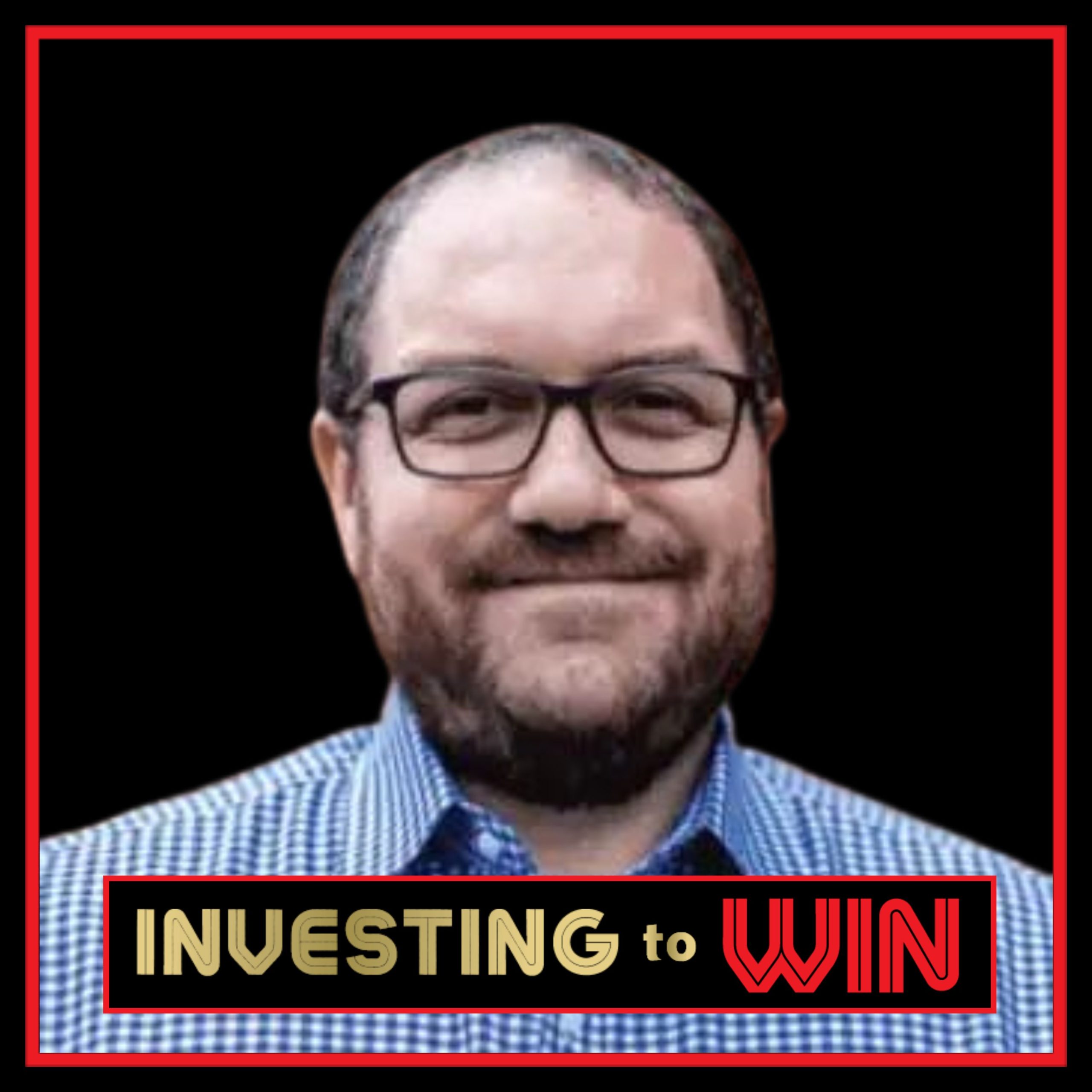
Investing to WIN #028 — How Remote Team Members Scale Real Estate Businesses Without Burning Out (with Matthew Tringali)
Many real estate investors and business owners know they need help, but hiring locally feels expensive, risky, or hard to manage. Remote work sounds appealing, yet most people don’t know how to do it well without losing control or productivity.
In this episode, Matthew Tringali explains why most remote hiring fails and what actually works. He breaks down the mindset shift that turns virtual assistants into true team members and why this matters more now than ever as competition tightens.



Duration: 48:00
Date: Aug 22, 2023
Guest: Matthew Tringali – CEO of BetterWho and Real Estate Investor
WATCH THE FULL EPISODE:
Want the full experience? Watch directly on YouTube to support the channel and get recommendations for similar episodes.
What You’ll Learn
• Why treating remote hires as “assistants” limits results and growth
• How to decide which roles should be remote versus local
• The real cost and quality differences between staffing agencies and direct hires
• How daily huddles, metrics, and culture drive remote productivity
• What to expect when onboarding your first remote team member
• How remote teams create leverage, not just cost savings
Memorable Moments
“I stopped thinking virtual and started building real teams.”
“Desk jobs can be done from anywhere in the world.”
“If you’re not using remote talent, your competitors are.”
Episode Summary
This episode addresses a common challenge for real estate professionals: growing a business without getting buried in tasks or overhead. Many people misunderstand remote hiring and assume it’s only for simple admin work or short-term help.
Matthew Tringali shares a contrarian perspective. Remote team members are not temporary assistants or background support. When hired and managed correctly, they become long-term operators who drive profitability, culture, and scalability.
This conversation is for investors, brokers, and business owners who feel stretched thin and want to build leverage without sacrificing quality. After watching, listeners will rethink how they structure teams, manage time, and design businesses that run without constant firefighting.
Chapter Timestamps
[00:00] – Matthew’s path from real estate to building remote teams
[03:10] – Virtual assistants vs remote team members
[06:40] – Why remote work productivity often fails
[13:55] – Cost, quality, and leverage of remote hiring
[18:30] – Three hiring models explained
[26:50] – How BetterWho sources and vets global talent
[34:20] – Onboarding and managing your first remote hire
[40:10] – Defining success beyond income
About Matthew Tringali
Matthew Tringali is the CEO of BetterWho and a longtime real estate investor. He built and sold a multi-state property management company by leveraging remote team members. Today, he helps real estate professionals hire, manage, and scale global teams that drive long-term business growth.
Full Episode Transcript
00:00.00
wongga
Good afternoon investors. My name's garret wong your host of the investing to win podcast today. We are have a visitor from down south matthew chingoli Matt how are you.
00:12.60
Matthew Tringali
I'm doing great Garrett thanks for having me on your podcast.
00:15.10
wongga
Yeah, so we ah as we said in the pre-show. We've kind of passed each other at different events but this is one of the first times I'm getting actually to sit down with you and unpack what's underneath the hood. So um, why don't you tell the audience a little bit about yourself and how you got here? What's your store and your background.
00:31.50
Matthew Tringali
Yeah, my background is in real estate investing just like a lot of your audience then also real estate sales. Um, and so when the bottom fell out of the industry back in 2008 um I was sitting on some houses that I was trying to sell for some other clients and realized they weren't going to sell and so I started a property management company um started managing those properties at that time and it turns out I loved that part of the industry and really grew that from there. Over the next fifty years during the course of that time I really focused a lot on unit e economics building a very profitable business. Um and part of that profitability success came from leading a lot into remote team members which we're going to really unpack in today's podcast um built that business over the next fifteen years went multi-state with it sold that business last year in 2022 and since then have really been focused on our consulting business where we help other real estate professionals and property managementasy companies. Ah, be successful with remote team members. Also.
01:38.67
wongga
Interesting. Oh well as you know I own a management company as well and I'm also branching off into different things. What made you decide to actually make a definitive switch.
01:52.59
Matthew Tringali
Into property management. What I did is that? Ah yes, um, you know I Really really love um, teaching and helping other small businesses. Be successful and so that was really just sort of core to my being of a teacher by background.
01:53.28
wongga
Well from property management now into your latest endeavor.
02:09.70
Matthew Tringali
And um, I always had a dream of being able to help other small business professionals. Be successful but I wasn't quite sure how to do that for a long time. So I slowly started doing that by consulting with them and then by doing remote t web replacements with them. Basically just friends in the industry that saw some of the success that I was having and said hey can you help me do that as well and I was just a big believer in doing the thing that you love doing right? You you want to show up to work every day and it not be work and so that was the thing that I just loved doing was helping other professionals and so. Um, you know it had kind of matured the management business to a point where we just got a good offer to sell it and that kind of made sense to do that and it really freed me up to be a hundred percent focused on doing what I do now which I just love doing every day that's exactly right.
02:55.75
wongga
Awesome! Find your why right? So I'm cynnic. Yeah no, It's awesome. Um, so I've purposely titled the podcast and I know you can't see this because it's not coming out for another week. But um, you know how how to find the perfect virtual assistant and I've done that on purpose because I know you've coined. The term remote team member. Why don't you tell the audience for those for unfamiliar. What a V a is or an rtm in in your mind.
03:19.48
Matthew Tringali
Yeah, exactly so a lot of people by now are familiar with the term virtual assistant and I'd been using what I then called virtual assistants as far back as I think I hired my first 1 around 15012? Um I had read this book a long time ago called the world is flat by Thomas Friedman which is an old book Lao is actually written I think in the 1990 s in in that book. He talks about even back then he says you know when you're doing your taxes your cpa is not actually doing your taxes somebody ill is doing your taxes that that little phrase of that book always stuck in my mind. Um, and then I read the 40 hour workweek which of course was super popular back then and Tim Ferris talks a lot about kind of using v so I started using virtual assistant for about a dollar an hour in iah just doing different kind of research on properties for me that I might have wanted to purchase. That kind of you know had a certain level of mixed success. Um, but over time I realized in order to be really successful with this I needed to not think of them as just virtual assistants but I needed to think of them as full-fledged members of my team. Um, because when people have the virtual assistant mindset. It's almost like buy a piece of software that you could kind of just stick on a shelf like it's operating the background but that's not what you want right? You want to build a team and so um and the way I always say it is. They're not virtual. They're real human beings and they're not really assistants. They're full-fledged team members on your team and so that's why we call them remote team members.
04:47.31
Matthew Tringali
Um I have 10 on my team right now at at my current company better who I actually have other remote Tv members work for some of my other businesses as well and we meet every single day in a variety of meetings and they're real people to meet some of them have got the meet in persons some of them I haven't um but they all care about. Um, mutual success I care about their success. They care about line. Um, and so yeah, that's why we go with remote team members.
05:13.55
wongga
That's really cool. It resonates with me as well because I experimented probably it's got to be about four or five years ago we had you know 20 odd people in our management company here up in Winnipeg. And I had heard this at the norpam conferences and I wanted to try it. So I I tried one? Um, actually he was on our podcast 2 or 3 episodes ago firsti he's our business development coordinator. And yeah I but I nurtured right like I didn't want I had heard nightmare stories. Of hiring a v and they feel like they're in a bubble etc etc. So I I met with him every single day for ten or fifty minutes to start the day to make sure that he was included. We had a day our weekly at that time weekly standup meeting. Well I set up a little tablet. There and he could see everybody and his face was there when we had. We actually did a find your y seminar clinic. Ah for the simon sinnic series there and yeah, his tablet was sitting in one of the breakout groups. So ah I think you can. Have to talk about that later about success. But yeah I've been doing it I've got about 11 or 12 on my team as well. So that's ah, that's great to hear so the concept of remote work I mean we're kind of post covid now. Um.
06:25.10
Matthew Tringali
That's awesome.
06:32.93
wongga
It's been around for a while but I think it's really started to take off in recent years maybe because of that. But what what factors do you feel has contributed to the entire like remote work culture.
06:42.96
Matthew Tringali
Yeah there's there's a lot of things and of course covid really coalesced a lot of it and it's been interesting to see that what I think is a cycle that's happened since covid that I'll talk about in just a second. But for me a lot of it was money driven in the beginning and so you know I had this. Big office that I was investing in in you know at some point just started kind of thinking about why do I really have this office. You know I mean I don't need my clients to commit to this office I can meet them where most of my clients frankly weren't even local, but the ones that were you know I could meet them at a local coffee shop or at their property or whatever. And I certainly didn't even my tells coming into the office. But in fact I didn't want that. Um, and so um, so yeah I just started kind of thinking about why do I really have this office and you know what? if we all worked through home and at some point I kind of had this epiphany where I said um desk jobs or desk jobs. And field jobs or field jobs and desk jobs could be done for anywhere in the world and part of what I meant by that was you know I had people on my team locally at the time who spent part of their time behind a desk and part of their time going out into the field to look at a property. Do whatever. But I realized that that's a productivity killer right? If you ask somebody whose main job is you know, answering emails answering phone calls. You know, doing various computer work if you ask them to get up from their desk drive somewhere it just crushes their productivity and then they come back to like dozens of emails and voicemails and whatever.
08:12.85
Matthew Tringali
And so I just made this delineation where I said I don't want that to happen anymore and in making that de delay delineation is what made it Also super easy to go remote. Um, and so once I realized these deskops could be done really anywhere in the world. It just transformed my business. So I lean really heavily into that. And I think that's a change that a lot of people started to make and we've seen that like you said with Covid a lot of people then were forced into that. Um I had made that change years before then so I was ready to go Covid was like no big thing for us. Um, but a lot of people were forced to change that it's been interesting I don't know if you've been paying attention to some of the news cycle lately. Where. There've been these news stories coming out where in in quote unquote studies I don't know exactly how they're studying it. But basically this mixed opinion right of how productive can you actually be when you work from home and I think that there's a lot to be said about that I think that there are very successful ways to promote a healthy remote work culture. And there are ways that you just sort of do it and you don't necessarily know what you're doing So I have a lot of questions about people who have not really so who who believe that there's a productivity dip I have questions about what are they actually doing to foster that to you culture that productivity. And you probably have a lot. You could say about that too. It sounds like you're doing a lot of things right to foster that environment right? but you have to have those daily huddles right? You have to have those key performance indicators in place where you can manage by metrics instead of sort of just micromanaging because you happen to sit next to somebody in an office.
09:42.16
Matthew Tringali
Ah, you have to have a certain company culture where you're holding each other accountable to whatever those achievements may be and so if you don't have that culture in place certainly remote work is not going to work for you right? If the main way you get work done is because you happen to be sitting next to somebody and you're just sort of constantly pestering each other all throughout the day. That may not work as Well. If All of a sudden you're not sitting next to each other. So I think that the world is starting to kind of figure that Out. You know what does that actually look like to do that. Not just simply out of Necessity. But to do that out of desire and to see it become successful.
10:14.31
wongga
No for sure I know when I think about my remote team and of course I call them full employees when you I just look at an office right? when you have ten fifteen people in an office. You've got cubicles. You've got different things. How do you possibly pull somebody from that environment. Put them in a bubble at home and expect them to work the same so in my mind everything that I'm doing trying to have a successful company and engaged That's the Buzzword engaged staff is to mimic that environment.
10:35.40
Matthew Tringali
In.
10:46.98
wongga
Right? Otherwise you might as well just have a bunch of people that you're just micromanaging like you said and telling what to do.
10:51.69
Matthew Tringali
Yeah, exactly and I think there's some key ways to do that and some of the ways that I do it again. There are lots of ways to do it. But I'm a big fan of using some type of interoffice communication platform. We happen to use slack but you could use you know Microsoft teams or or Google chat. Or there's a really central version. Yeah, whatever you want to do but to have that sort of regular communication that can happen that is not just email each other emailing each other back and forth all the time. So I find slack to be super helpful but not just for work. We actually use it for fun also so we keep a slack channel that we call water cooler. And to your point it's replicating right? A water cooler at the office right? And so if we were all working at office together. There'd be normal little bansture that would happen. You know oh what do you do it this weekend Garrett. Oh yeah, we take to the kids to do such and such and you know so we use the water cooler channel and slack to simply share stories share pictures of our. Vacations and fun stuff right? So we encourage that whereas some people might look at that and say oh that's not productive but it is right I mean that's just humans I mean that's just how we exactly. It's cove culture. So so yeah, so things like that to to as you say mimic it right? and then.
11:56.46
wongga
That's company culture. Yeah, that's what happens.
12:03.47
Matthew Tringali
And now with video conferencing the way it is right? There's just great ways to to mimic that so we are constantly using video conferencing tools for a variety of meetings throughout the day. So Um, and in some ways using those tools actually makes certain things easier. So when I'm training somebody if you think about it sitting shoulder to shoulder in front of a computer. Only you know where I can control the mouse or trying to show them how to do something that could be effective but I actually find it much more effective to get on a video call somebody. You do a screen share and then I can record the meeting and then that media you can be used later for them to review later. So. There's just lots of things like that right.
12:39.25
wongga
Yeah, for training I Mean again, you have somebody knocking on your office door and you tell them something. You're not going to ask if you can turn on the camera in the corner so you can record that and then they'd be weird right? So there's there's a lot of benefits. Um, just backing up to your point about we use a chat as well. And.
12:46.84
Matthew Tringali
Exactly right.
12:57.00
wongga
I Kind of think again about that cubicle environment and so we encourage our our all of our staff actually even our our staff field staff I call them just to be constantly chattering on that because when you're in a cubicle environment and you hear something. Just over the walls of the cubicle about some property that maybe there's a squatter or something's on Fire. You kind of your ears perk up right? So we're trying to mimic that because that's that's productive right? if somebody else knows something about what you're about to embark into and they can just chime in that's that's that's a company.
13:17.72
Matthew Tringali
And right.
13:28.58
Matthew Tringali
Absolutely.
13:32.46
wongga
So let's um, let's back up a little bit. We're talking about our tms um, for those investors companies individuals businesses that are listening to this podcast. Let's let's unpack the benefits of an Rtm. Like why would somebody even want to do this instead of just going through indeed and having an interview in their office and having that person come in every day.
13:55.26
Matthew Tringali
Sure I mean one of the most obvious benefits of course is cost right? when you hire somebody locally depending on where you are you know Um I'm here in the us I'll use us dollars right? But you know you might be spelling. Yeah anywhere from. 30 irty to eighty thousand dollars plus per year in salary and then of course you have certain you know local hr laws. You have to be aware of right? So there's just a lot of expense that goes into that when you hire locally versus the typical remote person that you hire particularly for your hiring direct. You know might only cost you 10 to $15000 per year right? So in general, it's only going to cost you a third to a quarter of the price compared to what you're going to pay ah locally now a lot of people they hear that and they just make an assumption that oh but you're sacrificing on quality. But the irony is and I'd be curious to hear your experience is actually I found it to be exactly the opposite. Um, when I can hire ah directly and remotely overseas I can actually get higher quality candidates for a number of reasons number 1 it's just a ah bigger pool of candidates that I'm looking at right as opposed to whoever happens to live in your local town. Um, but number 2 is just that dollar to dollar comparison so we are placing folks who sometimes are engineers cpas architects doctors in their whole country.
15:16.50
Matthew Tringali
Who make more money working for us small businesses here in the us or Canada than they do practicing their particular craft or trade in their whole country and so these are very intelligent. Well-qualified people that for pennies on the dollar. Ah, you actually get a a lot higher quality than if you hired locally. Um, so those are the big benefits. Huge cost savings and um, an increased quality of candidates.
15:42.76
wongga
Yeah, it's interesting. You say though about the ah the professionals and the high you know high level of education I know that we're in our last few hires I'm I'm looking at these resumes coming through and I do see like law degrees and doctors and I asked one of our.
15:56.61
Matthew Tringali
Um, and.
15:57.75
wongga
Remote staff down in Mexico. Why is that like why would somebody essentially leave a profession and they said it's cultural as well. A lot of people were sort of following in their father's footsteps or parents footsteps and now they're really trying to break out and do something on their own It's not always cost. So yeah, but you get a lot of talent that way you know.
16:19.27
Matthew Tringali
Yeah, one of the other big benefits too. By the way is um is being able to kind of maximize your labor output so like. For example, you know if I could afford one local person that say is going to cost me $50000 a year. Let's let's say I could get 2 remote people that cost me $30000 a year or even if I want to get 3 remote people and I'm not actually trying to get any cost savings. Maybe I'm getting 3 remote people and I was spending the same amount as if I got one local person but look at the labor output that you can deliver now right. Do it that whatever you want I mean that may mean some increased level of customer service. It may mean expanding. You know the amount of properties that you can assess and potentially purchase I mean you know it's it's your choice as a business owner what you want to do with that but you can do a lot of things with that. That could become I used to say that doing that would be your unfair advantage in the marketplace. But now I tell people that if you're not doing that you're going to get left behind because the reality is if you're not leading into remote team memberss now I promise you your competitors are. It's going to be hard for you to keep up with them if you're not also leveraging that same resource.
17:26.96
wongga
Yeah, hundred percent um also like to make the point that when you have somebody who is an Rtm and they're applying to a job and that's what they do. They are a remote worker versus somebody who was forced to maybe go. You know, maybe they were in your company or a company and they were forced to go remote. You don't know how they're going like what is their track record right? just because they worked in an office for 10 years maybe as a financial auditor or something you don't know what type of productivity you're going to get from that individual from that professional. Because they're working at home for the first time.
18:02.77
Matthew Tringali
Yeah, absolutely totally agree. That's part of what we do when we place candidates for our clients because I've made this mistake before is we make sure every candidate that we place has um, worked a North American time zone before and has worked for home before. So This isn't the first time they're doing that you want to know that they have that experience. This is what they actually want.
18:21.81
wongga
So no for sure. So let's let's talk about how do you find a virtual assistant or a remote team member like how does somebody do that.
18:34.19
Matthew Tringali
Yeah, um, so there's there's kind of I guess I would say three Keyways um, so one is you know you could go to some job board platform like ah Odesk I think it's still called odesk um or something like that right? Um. Or fiverr would be another example. Um, and that's a fine way to go if you have project-based work if you have maybe some particular website. Update you want to do or a new website rollout or some database you're trying to create you know something like that where you're looking for a very specific technical skill and a short-term project. Because basically those are gig workers on there. Um, so that'd be 1 way to kind of you know leverage the remote work the other way in the most common way would be through um, what I call a staffing agency model and I know you've had some experience with this in your past and a lot of folks. Go this route so this would. Basically be hirering sub company. Um that is source. They usually either out of the Philippines vexco or ilia. Um, and the way this model works is. You're typically going to pay that staffing agency about 9 to twelve us dollars per hour. Um, and they're going to place somebody with you for one of those countries. But the person that they're play say is typically only making about 4 to five us dollars per hour and so there's you know a big spread that's happening there for that value proposition that they're offering to you but the other key thing to know as you I know also experienced is they don't actually work for you.
20:04.37
Matthew Tringali
Um, they work for the staffing agency which means you're not actually in complete control of their company culture experience. You're not in complete control of when they get raises what their future is going to look like things like that and a lot of folks go into that thinking? Oh that's easy. Let me just get started that way but at some point down the road they these shortcomings start to show up. Um, and they realize that's not really what they want so the third yep go ahead. Garret. You were to say some of that. Yeah.
20:27.33
wongga
No I was just going to say let's unpack that a little bit more too because $9 versus $4 there's obviously I mean there's justification there like the company the recruiting company or whatever you call them middle person has to make money. But.
20:38.18
Matthew Tringali
Sure. Right.
20:45.83
wongga
Is it all. It's not just about profit. How do they justify that spread which is almost double or more.
20:49.73
Matthew Tringali
Yeah I mean what they're going to say of course is that they are taking the care of some of the tax burdened. They maybe be providing some health insurance coverage you know things like that that the local laws may require an employer to to provide in those cases. And then you know whatever is left over is their profit and then they may also say that they're providing some level of oversight right? So they may have a local manager or or not a local manager but they'll have their own internal manager. That's also managing that person. That on the 1 hand sounds like a benefit to you but as I've described can often be a detriment because that person may be managing them in a way that you don't actually appreciate. Um, it may be countercultural to you the way you want to be managing this person so but those are the other benefits that they're providing where they're sort of justifying their value proposition. Ah, like you said let they make whatever profit margin they make on top of that. Yeah yeah, little the third model would be to hire direct right? And so this is something you could diy it. Um, if you felt you know? ah.
21:45.10
wongga
Okay, and then the other model which I know that you guys have adopted.
22:01.70
Matthew Tringali
Qualified and that's something you will had the time and energy to take on to go out and find these people um and whatever that looks like and that's our model So we're more of a head hunter model. So Our clients will hire us and then will go out and and the advantage also to that model is we're not bound to any particular country so we'll do a truly global Search. We literally. And place where dozens of different countries all over the world. Um, you know because that's all we do day in and day Out. We have all of the expertise and experience with our full team of Hr recruiters to know what to look for these candidates and to make sure that when we do a placement that not only do they have the right skills but they're also going to be a good cultural fit with your company. Because as you know, having hired lots of people right? I mean skills can be taught but culture fit is actually super important right? So we like to make sure there's going to be a great fit with their management style and things like that. Um, so and then hiring direct then you have all the advantages we were talked about earlier where you are truly. Um, controlling that cultural relationship right? You are controlling the entire environment but also um, when you hire direct These are folks that they want to belong to a company and they want to know what a future to career path could look like just like when you hire locally, right? just like you and I want. Ah, you know with our own selves and our own businesses and so when you hire them directly. You're able to have those kinds of conversations with them. You know what does success look like for you here at this company and what does it look like for you to earn raises and promotions over time. What does it look like for you to start.
23:30.23
Matthew Tringali
Manager your own team. You know I'll start hiring other people that you can then manage launch our goal right? Yeah I mean you mentioned to me in the pre-show. You know you have 1 person that's a remote team member that basically runs your whole company and you know I have the same day. She's actually been with me for line years.
23:31.18
wongga
Yeah, long-term goals that two five and ten year hr question right.
23:47.53
Matthew Tringali
Has actually traversed multiple businesses with me over that time and so she actually runs our entire operation. So she manages the whole team she does project management for us. Um, all the ins it outs stay to day and ah and you know I'd be lost without her at this point.
24:02.37
wongga
Yeah, no I Yeah for sure, it's ah it's been amazing I Think for me that success has been like you said the the reach of talent right? I don't think I could have found half of my my staff with that type of talent just look well I don't want to put down my my.
24:13.22
Matthew Tringali
Um.
24:21.59
wongga
Hometown here. But it's it's difficult right? because you try to hire a property manager. There's all the competition and then you you know you've got staff that are jumping around from company to company. And yeah, there's a lot of overlap and there's just a smaller talent pool compared to the world.
24:21.59
Matthew Tringali
Yes.
24:37.69
Matthew Tringali
Yes, absolutely.
24:40.40
wongga
So why did you guys choose that model versus I don't want to see the profitable model. But I mean I guess there's benefits to both as a business plan.
24:50.64
Matthew Tringali
Yeah I mean I did it because it's what I wanted as a client and I wanted to be able to provide that to the industry and you know we were the first as far as I know still the only service provider providing this model to our particular industry. You know we we market to the property management industry but we serve any other industry so we work with a lot of different real estate professionals and and other industries as well. But um, but we chose that because that's what what I want. it's what I do and it's what I want my clients to have and part of the reason why our clients want that is because of the level of talent right. So you know the typical direct hire person that you're going to hire directly like our average placement is about 7 to $8 per hour. You know a hundred percent of that goes to the remote to you member that 7 to $ 8 per hour so just stop and think about that for a minute right? So for our client. A that means they're saving a lot of money versus going through the middleman right? We mentioned earlier the middleman staffing agency is typically going to charge 9 to $12 per hour. So our typical client is saving you know thousands of dollars per year per remote team member but the bigger advantage is the level of talent because. It it. It makes perfect sense right? The level of talent that's willing to go work at what is effectively a call center for 4 to $5 per hour versus somebody that's willing knows what they're worth to come work for you directly for seven eight dollars per hour is a totally different level of of talent that you're hiring right? Um, and so you're just.
26:21.16
Matthew Tringali
Hiring a different type of person where you hire direct versus hiring through a staffing agency. So that's what we want to provide for our clients so we came up with a business model that works for us and for our clients and ah it's been. It's been great.
26:33.81
wongga
Oh That's Excellent. So walk me through it. Um I mean yeah, walk me through how that works somebody approaches you guys I am a real estate professional I'm a realtor. Can you find me. Somebody that can post all my social media and and answer all of the inquiries from the listenings.
26:51.65
Matthew Tringali
Yeah, absolutely So I mean every place where we do is completely custom to what that client needs at that time you know, having said that um you know there's always commonalities between positions. So using that position. You just Describe. That's a pretty common position somebody covered us and say yeah I want somebody that's going to. Hey, all of our social media postings. There may be certain other kind of things that go with that to turn that into a full-time Job. So um, we do a little bit of onboarding with our client to understand not just what their pain points are what they're looking for but also to understand what their management style is like what their company culture is like because again we want to make sure we're going to find that good fit with them. Then we go out and start doing the recruiting to put that perspective right now we get about 30500 applications per month for we wrote tres all over the world that want to work for our clients and less than 1% of those make it through our vetted process before we start recommending them to our clients. So. As you might expect. There's a lot that goes into that vetting and this is where we have a full team of professional ah Hr recruiters on our team. They know exactly what to look for so you know as I mentioned we make sure they've you know, worked the right time zone before worked for Ho before um, we do speed tests on their computer personality profiles. Um English proficiency and type a tests we pre-interview them. We collect video samples written samples things like that. So we put the through the our whole process to make sure they're going to be a good fit then we bundle all that information together presented to our client and say hey here's somebody. We Recommend We think they're going to be a great fit for you.
28:20.68
Matthew Tringali
Ah, please also interview them and let us know what you think and then once the client is ready to hire that ah candidate candidate then we walk them through the offer sheet how to make that offer to the client and then we stay involved for the first lili days we do a thirty sixty ninetyly day. Check-in. With both the remote team member and the client to make sure they're having a good successful onboarding experience.
28:40.64
wongga
Wow um, 3500 applications you're making my head hurt because I mean I when I put an ad out here on indeed or whatnot and I have one hundred to hundred and fifty that's all I'm doing for like weeks and.
28:45.92
Matthew Tringali
Um, yeah, yeah, it's a lot.
28:54.43
Matthew Tringali
Exactly.
28:57.66
wongga
You know I think it's what you said is interesting because nevermind the ah hr recruiters and the professional because I'm terrible at hiring so you know some of my staff will tell you that but I find it interesting because if you choose the first model like you said Diy and then you have somebody and they don't work out. Then you have to start the whole thing all over again. Is it fair to say putting words in your mouth that you're cultivating a pool of talent that you can then you've they've already pre-screen people.
29:17.56
Matthew Tringali
Yeah.
29:27.80
Matthew Tringali
Um, actually not exactly and part of the reason why is because the level of talent we're recruiting are super hot commodities so they can't sit on the shelf very long. So like for example by this so a lot of our clients are like well I want to make sure you present me with 3 candidates. And I always tell them well we're going to present the candidates to you as soon as they're available if there happen to be 3 that come out of the pipeline at the same time. Great. But if I have one that comes out of my pipeline and they're a hot commodity. We need to go ahead and interview them and see if that's you want to hire asap because if we don't do that. They're going to get hired somewhere. Um. And so um, so yeah, so we're always on the 1 hand. Yes, we're always keeping our pipelines active. We're always out there actively recruiting but the level of talent that we're looking for. They will get hired quickly so we need to make sure we get ah you know connected with our clients quickly.
30:18.61
wongga
Wow. So the the 2 models. Let's go back to that for a second I mean let's I'll ask you from the perspective of the client um does which which model would the client prefer that feedback that you've heard from some of some clients that have experienced both models.
30:34.27
Matthew Tringali
Yeah I mean kind of the general idea that a lot of people will say is oh well I'm going to go with the staffing agency because it's it's it's easy right? It's like um, you know they they they have somebody ready to go I can just hit an easy button. And we can get started with somebody and so that's kind of 1 idea. Um, but the reality is is hirey direct if you go through an agency like ours that will take care of all that hiring process is actually the easy button. Um, because we do all of that heavy lifting for you and then make that placement directly and then you get all those long-term benefits of hiring directly. So what we found is is that a lot of people who just didn't know this was an option they bid with the staffing agencies. But as soon as they start having those problems you know they'll start coming to us so most of our clients are folks who. Have gone through the staffing agency route at some point realized there was some deficiency there that they didn't like and then they found us and said yeah this is exactly what I need. Um, so you know that's great for us. You know they've you know it's always nice to be somebody's second ah you know second. Ah option right? They they've learned what didn't work a little they come to you. So.
31:38.96
wongga
Ah, so what about from the the Rtm's point of view I mean you must have people who have worked for agencies and now you're hiring them direct. So what? what are their feedbacks.
31:48.90
Matthew Tringali
Yeah, yeah, that's a great great point in the world is changing in that regard right? So like so in the past a lot of those remote team memberss they work for staffing agencies because that was what was available to them and there weren't as many people who knew they could hire direct or or knew how to do that. And so those options is where it is available for remote to you res. But now that there remote to members are seeing that that options available to them. They are looking for that war and war. So actually a lot of the staff agencies now are it's becoming more of a struggle for their model to even stand up because a it's becoming harder for them to recruit but also. It's become harder for them to recruit at the price point that they can afford to pay um because more and more people realize you know what they can make out in the open market. Um, but some of the other things that we hear consistently so I mentioned earlier that you know the staffing agency modelville explain oh you know we provide. Um, healthcare benefits for example, but the reality is is that the benefits they're providing I don't know what the equivalent candidate would be well I know in Canada you guys have universal healthcare. So maybe this won't translate as well. But you know here at the United States you know we have something called Medicaid right. Um, and so the reality is is that like the level of healthcare that typically is getting provided to those folks in those countries is whatever that minimum requirement is that the government mandates that they provide and so the reality is is a lot of those remote team members are not satisfied with that solution and so maybe that will end up still.
33:17.80
Matthew Tringali
Um, purchasing some type of private health insurance anyway and using that despite what's being provided to them through their their employer. So the reality is is that they like being hired directly because they can then have more control and autonomy over things like that. Um. Also in most countries like here in the us and maybe it's still in Canada you know if you work for yourself if you're aability contractor you're in a different tax bracket a more favorable tax bracket generally speaking than if you are an employee of a company and so the same is true in most other countries as well. So they can work. As a freelancer. Um for a company that's hiring them. It puts them in a more favorable tax bracket that they can actually take home more money as well. So there's lots of benefits so they remote teamevers to be working directly.
34:06.72
wongga
Okay, you mentioned the thirty sixty ninety um for those of my our listeners who are kind of going. Okay, they're intrigued now what what does onboarding look like I mean let's say that somebody has never ever used even a remote like local person. What does day one look like.
34:26.21
Matthew Tringali
Yeah, so for us. Um, we want to educate them and walk them through a lot of things that we have been talked about on this podcast so we'll talk to them about best practice with things like slack or things like a voiceover ip phone system. Ah, what should your ah meeting pulse look like with your staff so we'll walk them through all those things you how could you do a successful daily huddle. What should what on Wass look like a lot of things that frankly are just good trailing even with your local staff. Um, but we are not going to pursuee anything. We want to help trade you out all of those things and make sure. You know how to halo that but then of course we'll show you the lots and bolts of how to pay them turns out. That's you know, very simple and straightforward. You know if you want to use a time tracker software. We show you how to use that. So yeah, we walk through through how to do all those days we set those expectations with it about team member. Um. We talked through a little bit about you know what? a trailing schedule could look like depending on the position um things like that and then what reasonable expectations would be in terms of how quickly that remote teamrever should be able to get up to speed again depending on the position of the trailing that's available that type of thing.
35:36.30
wongga
Well, that's ah think that is a podcast all into itself. We'll have to ah unpack that in another that's almost another full two or three hours well I mean I mean from your experience. What.
35:41.72
Matthew Tringali
Um, it is yeah.
35:50.74
wongga
What 3 pieces of advice would you give to a company looking to hire their first remote team member.
35:57.59
Matthew Tringali
Oh that's interesting. Um, so what? I would say this this may relate to you know, a lot of your listeners is a lot of folks come to us um, particularly real estate investors this would apply a lot to them where they say well I know I need some help. But I don't think I lead somebody full time and my response to that is always the same as I always I basically tell them I don't believe you um and part of the reason I don't believe you is I say look 1 thing I already know about you is is but by virtue of the fact that you are an entrepreneur. You have about tell you ideas every single day a lot of enough time to implement them. So um, so it's just not true that you can't use somebody full-time you just have or could have to be a little bit more creative about how to fill that time in ah so that would be sort of advice number 1 is um, is you could use the help. Ah, advice number 2 is usually a limited belief on skillset right? So a lot of people. Um, if they're new to this concept. They might be thinking. Well I mean what can they really do for me right? like okay maybe they could do some data entry. Maybe I would trust them to be on the phone with people but I'm not so sure about that. So there's just just very limited belief about what their skill sets really are but the reality is is that you could as you and I have both done right? You can hire a general regulatorlogr you could hire a Ceo if you wanted to right? So the the United States a kided I have not quartered the market on human resource right? there there is.
37:25.81
Matthew Tringali
Incredible talent all over the world and whatever your leads are they exist out there for somebody to fulfill them in a very big way. Um, so that would probably be advice number 2 um, yeah, advice number 3 would probably be um, just do it I mean because again. The cost that you're talking about here when you go direct again. You're typically going to be talking about something like around twelve hundred us dollars per month and so look you've made worse decisions in life and lost money on bigger mistakes than this. Okay. So just try it and you probably will be immensely surprised and and incredibly pleased with the success that you find.
38:07.38
wongga
Awesome! No, that's I think I wish I had known that when I started you know that's really good advice. So speaking of business I want to transition a little bit ah given your vast experience. You know you've worked. Obviously in the us and across the us and a few different businesses what decisions or I guess decision can listeners make that will lead to faster results in their businesses today in your opinion.
38:35.60
Matthew Tringali
Ah, to faster results. Um I'm a big fan of really focusing on the unit economics of your business. Um, so you know if some of your clients you know, maybe if they have ah you know their own rental portfolio or something like that. Um, we we tell to. Especially you know a lot of us as entrepreneurs. We kind of throw all the money into one big pot and we may not be the best at really tracking the money and one of the best ways to do that is really focus on the unit economics of what's happening in your business. Um, and then you know my guess is is a lot of your listeners probably have multiple businesses just like. You and I probably do and so you know if in their business. Maybe they have you know a general contracting business a little real estate investing business in their rental portfolio business I would say you know get really focused on the um health and success of each of your businesses individually and don't conflate them because when you conflate them. We can hide things that are happily without realizing we're hiding it right? we can. We can cover over some issues with money from one business to cover over the issues in another business. So you know, just get some good financial clarity and then and then make decisions based on those financial clarity. It could be that one of your businesses just is a time suck for you right. Maybe you have that Haley Whale business but at the end of the day. It's just not really doing what at least due for you and if you really could take the amount of time and energy out that haleywa business and focus it into buying more properties. Maybe that'd be the right thing for you or vice versa.
40:06.57
Matthew Tringali
Um, so you know just get that clarity. Um to make good decisions.
40:09.50
wongga
Yeah now good decisions is is really important. What do you wish you would have known before you had started in the real estate business.
40:20.30
Matthew Tringali
Um, to focus more on monthly recurring revenue. Um, right? And so um, a lot of folks where you get started in a real estate or you know real estate investing where chasing the big Love V pay days. Whatever those might look like and those are great.
40:35.15
wongga
Yeah.
40:38.10
Matthew Tringali
And um, and and that may be a model that works great for you. But I think it's really good and healthy to have some form of wealthly recurring revenue as well. So if you're not keeping any properties long-term. Ah you know I encourage you to do that and not not just be solely focused on and flipping properties.
40:54.70
wongga
It.
40:56.34
Matthew Tringali
Um, so you know that's something that I wish I had done sooner was building my own portfolio of rentals.
41:00.44
wongga
Yeah I have a lot of Realtor associates that you know obviously commission checks are great. You know, but what do you do when you stop right.
41:11.63
Matthew Tringali
Yeah especially for those real estate professionals. Um, you know exactly you know I see that a lot with folks who are real estate brokers and think about it. You know as a real estate broker you have insight into your market that nobody else has and you're using it to help other people. Develop wealth but are you using your saved knowledge and skills to develop wealth for yourself and if not start today.
41:35.88
wongga
Okay, well that transitions into the next question I Want to ask you? What do you think gets in the way of entrepreneurs being more successful.
41:45.40
Matthew Tringali
What do I think gets in the way of entrepreneurs being more successful. Um I guess I can just speak for my own personal experience and that could be getting bogged down with the wrong things. Um right? And so yeah, this comes to that lack of clarity. You know, just. Just like anybody we can tell to just sort of do what happens to be in front of us. We put out whatever fires. Um, because you know there's constantly people coming to us screaming this is an emergency this is urgent I need your attention on this and we can easily fall into just waking up every day and putting out the fires. Ah, but putting out fires doesn't make you money right? It might keep you from losing money but it doesn't make you money? Um, so I would say you know getting really focused on what I call the important but not urgent tasks. Um, we always have that list of things that are really important but quite honestly if we ever got to them. Nobody's going to complain about it. But they're the things that if we ever got to it where we're going to be the things that we're Goingnna make us the most money. Um and it'll bring us the most success. Whatever success looks like for you. so so yeah stop putting out fires all the time it' focus on important but and urgen yeah.
42:55.71
wongga
Yeah, goal setting right? Keep those top 3 goals and make sure that everything you're doing is going towards those love it. Well I can't believe 45 minutes is already flown by we'll definitely have to have you back on I want so.
43:02.99
Matthew Tringali
Yeah, absolutely.
43:14.12
wongga
Hopefully by then a lot of our listeners would have delved and you know dip their toe into the Rtm market and now they're like what do I do now and then we'll we'll have you back on to talk about best practices and and how to have a successful culture. Um, but before we go I ask every you know every guest this question. Um, so this is the investing to win podcast. How do you define success and what does winning look like for you.
43:40.61
Matthew Tringali
Yeah, um, this is a question I I thought about a while ago in my business and I I always had this goal years ago to kind of get to the point where my business was self-managing and it could kind of run itself and um so on the 1 hand. That's what success looks like. Um, is I got really focused on not just maximizing my income but actually maximizing my dollars per hour. Ah which which actually could mean I'm making less overall income. But if I'm increasing my dollars per hour such that I have now time.
44:12.31
wongga
A.
44:14.41
Matthew Tringali
To Do it will do what I want with it. That's what success looks like for me the big question that comes from that is what are you going to do with your time and when I all of a sudden had a bunch of time on my head I wasn't prepared for what am I going to do with my time because I thought that was the goal and of itself was to just have more free time. But as a true entrepreneur You know you would know that you get pretty bored of that pretty quickly. So Ah so they'll decide what you're going to do with that time that you've created is how you start? um, multiplying your success.
44:43.49
wongga
Okay, well that is a great spot to stop. Thank you so much for stopping by today and yeah, definitely I'll reach out and we'll have you on. We'll throw your contact info for a better hoob into the show notes in case people want to reach out and see what it's like to hire all over the world.
45:03.28
Matthew Tringali
Absolutely thanks for having Riha Garrett
45:03.31
wongga
And we'll touch base all right? Thanks take care.
Want more episodes like this?
Join my email list and I’ll send the best insights from real estate + business + investing.