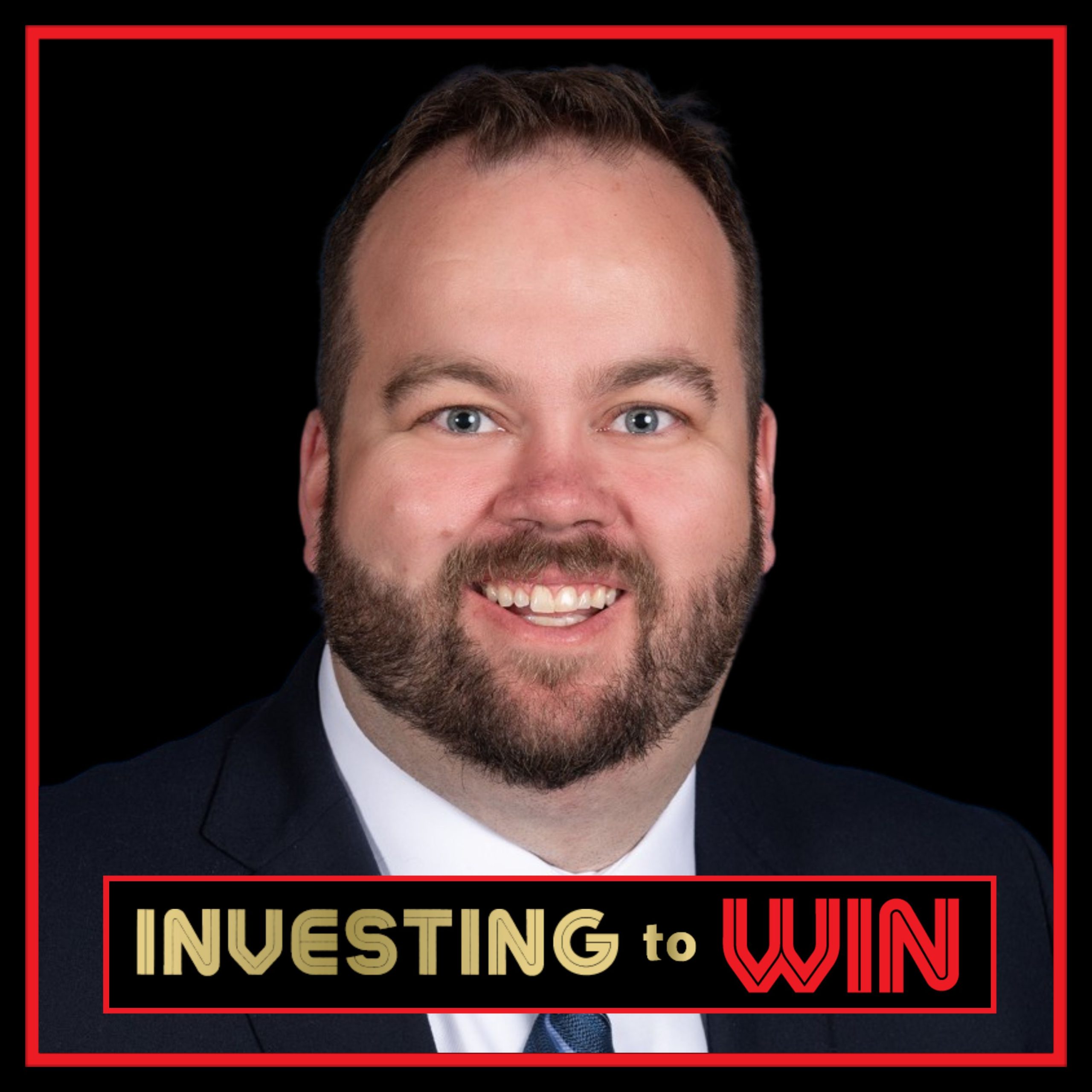
Investing to WIN #049 - How to Build a Scalable CPA Firm with Systems and Strategy (with Mike McLenehan)
Most accountants stay stuck in compliance work, focusing on year-end taxes while missing opportunities to create real impact for their clients. That model limits growth, both for the firm and the business owner.
In this conversation, Mike McLenehan breaks down how shifting toward systems, recurring revenue, and proactive advisory transforms a service business into a scalable, high-value firm.



Duration: 61:00
Date: Mar 12, 2024
Guest: Mike McLenehan - Founder and Owner of McLenehan and Associates CPAs
WATCH THE FULL EPISODE:
Want the full experience? Watch directly on YouTube to support the channel and get recommendations for similar episodes.
What You’ll Learn
• Why starting with zero clients builds stronger business fundamentals
• How to use systems and process documentation to scale without losing quality
• The real advantage of recurring revenue in service-based businesses
• How to structure a team so clients don’t depend solely on the founder
• Why content and education attract better clients and long-term trust
• How fractional CFO services change the role of an accountant
• The mindset shift required to move from technician to business owner
Memorable Moments
“I had to hunt and kill to be able to eat.”
“It was me, a desk, a laptop, no clients.”
“We’re just playing the game of business right now.”
Episode Summary
Many business owners believe accountants are only valuable at tax time, but that approach limits both financial clarity and growth. This episode challenges that assumption by showing how proactive financial involvement can transform decision-making throughout the year.
Mike McLenehan shares a contrarian perspective on accounting: the real value isn’t in compliance, but in consistent, forward-looking guidance. From implementing systems to offering fractional CFO services, he explains how modern firms can move beyond transactional work.
This episode is for entrepreneurs, service providers, and professionals looking to scale without losing control. After watching, you’ll think differently about how financial strategy, systems, and advisory support can drive long-term business success.
Chapter Timestamps
[00:00] – Introduction and Mike’s entrepreneurial background
[04:25] – Starting a firm from scratch with no clients
[08:45] – Early marketing strategies and Google Ads advantage
[12:29] – Building recurring revenue and hiring first employees
[14:38] – Systems, processes, and scaling service quality
[20:57] – Structuring teams and managing client relationships
[28:54] – Using content and education to attract clients
[37:50] – Fractional CFO services and the future of accounting
About Mike McLenehan
Mike McLenehan is the founder and owner of McLenehan and Associates CPAs, a multi-location accounting firm based in Winnipeg, Canada. He built the firm from zero clients into a team serving hundreds of businesses.
His approach focuses on systems, technology, and proactive advisory services rather than traditional compliance-only accounting. Mike is known for integrating education, content, and financial strategy into his client relationships.
Today, his firm offers bookkeeping, tax, and fractional CFO services, helping business owners make better decisions throughout the year.
Full Episode Transcript
Garret (00:01.748)
Hello, my name's Garrett. As you know, the host of the NWest, okay, I'm gonna start that over, on vacation. Okay, give me a three count here.
Mike McLenehan (00:07.896)
No bugs.
Garret (00:12.456)
Good morning. My name is Garrett Wong, your host of the Investing to Win podcast. As you can see, I have a guest in my studio here, Mike McClanahan. How are you?
Mike McLenehan (00:21.654)
I'm great, how are you, Gary?
Garret (00:22.964)
Good, very good. So Mike is an accountant, and normally I have an accountant on to speak about different topics, maybe different tax strategies. Today I wanted to kind of dive into Mike's story because he's a business owner and I'm really into entrepreneurship these days. Mike, why don't you give us sort of a brief intro to your career?
Mike McLenehan (00:46.134)
Yeah, for sure. So currently, I own a CPA firm located in Winnipeg, Manitoba, Canada. We're a multi-location firm. We have two offices within our city, one on the west side of the city, one on the south side of the city. We've got a team of staff at both locations, like CPAs and accountants and bookkeepers. We currently serve probably 500 or 600 small business corporations, maybe 1,200 personal income tax returns for...
the business owners that own those businesses. That's current state. And then 10 years ago, it was me, a desk, a laptop, and no clients at all. I kinda started this firm from the beginning and grew it from the ground up, which has been a pretty exciting journey.
Garret (01:34.288)
Wow. Why don't you back up even before that? Like did you come straight out of your courses in school and start your own firm? Did you work anywhere else?
Mike McLenehan (01:43.402)
Yeah, like, so I article at a few different firms like in the city, like while I was completing my accounting designations. So two different like firms getting like varying degrees of experience in audit and assurance and tax as well. And actually like even going before that, like part of the reason that I've always kind of been geared towards or inclined towards self-employment is.
Because like right out of high school, like I actually started working for a couple of guys who were sort of serial entrepreneurs and they would sort of set up and run businesses either to sort of like keep running them as enterprises or selling them. And I was able to get some great experience like working with sort of two gentlemen in Winnipeg starting businesses, selling businesses. And so finally, like when I went back to school at age 25,
I had six years of good entrepreneurship experience, and so I knew I wanted to be self-employed even before I knew I wanted to be an accountant.
Garret (02:49.568)
That's really interesting. The reason I ask that obviously, because we were gonna be talking about entrepreneurship is just that whole, like you said, why would you start your own business? Obviously we both know a lot of accountants who not only article but work in big firms. So you say serial entrepreneurs that you were following, so was it just you came out of there and you just said, hey, I just wanna open up my own shop?
Mike McLenehan (03:17.974)
Yeah, like it was like, like based on like my experience, like sort of actually preschool, like before I went back to university to get my degree and then my accounting designation, I was actually involved in kind of helping set up and grow. Like I think it was three or four different businesses in sort of like the space of like, like customer contact centers.
One of them was a like an internet pharmacy, actually in Winnipeg, like one of them was a technology company. And so I just had like a lot of good experience of actually like, like really like what I described in terms of like my own firm, like being involved in a business that was like so startup, that it just had nothing like it like there was nothing to it that you were walking into it was it was a phone.
It was kind of like a rough idea of what we were going to do and then kind of building systems and building processes and sales and marketing to kind of lift something up off the ground originally.
Garret (04:25.52)
Okay, well speak to me about the early years. You said 12 years, you started out on your own. What were those like first couple of years like?
Mike McLenehan (04:34.442)
Yeah, so like when I like I started my firm right away, like as soon as I got my designation, like what happens is like my association like would call you and let you know, hey, congratulations, like you passed your exam, like you're actually going to have your accounting letters in a few months. At that point, like I knew that as soon as I got that phone call, like I was going to get started operating my own firm. And so when the call came in, I gave my two weeks notice at the firm that I was working at.
And two weeks later on September 30th, 2013, I had my first day like at an office of my own. And it was just, it was me, a desk, a laptop, no clients. I told my wife like, you know, like, I believe that this is gonna work. And I think that like I can work hard enough to kind of like make it something that is gonna be sustainable.
For the first three to six months, we may not have a lot of income from this. And so as part of our long-term planning, we had saved some money to make sure that we were financially stable during that period. And so interestingly enough, I had gone through this major process of getting an accounting designation to be technically proficient in accounting.
And then I spent the next three to six months really focused on sales and marketing and developing that list of my first clients. And so I'm actually really grateful for that experience because going out and finding those clients, I think kind of causes you to sort of build and strengthen muscles in business that you...
You may not have if you were just buying into a firm that you had previously been working at. I had to go out there and basically hunt and kill to be able to eat. And so we were pretty successful in developing new business. And we're still successful today, and I think it's part of that experience.
Garret (06:39.888)
No, I mean, you remember the exact date. That is crazy. I mean, I do as well. That's I'm sure most small businesses do. What I find fascinating is, you know, so I imagine you started out not renting an office. You said laptop, I'm assuming out of your house or out of some kind of home office.
Mike McLenehan (06:58.602)
Yeah, I actually subletted like a 10 foot by 10 foot office from a like a financial planner, someone that I had known previously, just to kind of like have space to be able to work out of like I know for me personally, like I wanted to be able to have in person client meetings like at a location. And so but it's like you don't you don't start a business by going out and sort of leasing the big expensive office space right like you
You find space like where you can and that's where you get started.
Garret (07:33.48)
No, like I said, it's really interesting to me because you almost had a vision. Like obviously I started out of my basement and some people start that way and they stay that way. So if I'm putting words into your mouth, you kind of wanted that presence, that bricks and mortar so that you didn't have to take people into your home. You wanted a different feel to the business at the beginning.
Mike McLenehan (07:57.882)
Yeah. Yeah, like it's like, like I just wanted to be I know for me personally, like, some people are very successful at like working out of their homes. I know that for me, like going to the office, like puts me in a different frame of mind, like where I am kind of activated and geared up to be able to do my work. And so like, we don't live far from the office. And so even now, like, I'll sort of choose to
come to the office of I've got to do something rather than staying home, just because I'm in a different frame of mind when I'm here.
Garret (08:33.38)
Okay, those first few clients, speak to me about the marketing. I mean, what type of clients were you going after and how did you make your first initial list of who you're reaching out to?
Mike McLenehan (08:45.31)
Yeah, for sure. And so there was a couple things that I did, like in the beginning, that like, I think we're really successful for us in terms of new business development. The first thing, like one of the first things that I did is I actually set up like a business networking group. And so that was like me, a financial planner, a lawyer, a realtor, a mortgage broker, a commercial banker, kind of like meeting, like on a weekly basis to
Kind of talk about business strategize like hopefully exchange referrals I think that was like a beneficial relationship for all of us and that we were able to pass work amongst the group You're gonna have like in those networking groups or like certain professionals that you're more easily able to Reciprocate with right and so for me like a lawyer a financial planner and a commercial banker were really strong referrals
We also have like a great relationship with our bank. And so I found like our bank, like over the years, like refers a lot of work to us. And really interesting, like 10 years ago, and even now actually you'd be amazed, but like 10 years ago, like a lot of accounting firms like in our city, like did not have a website or had a very basic website.
like just weren't putting themselves out there in the digital world or on social media or anything like that and so like for us like we like on day one like I had a pretty strong website like up like promoting our business and then like back then like also like professional services firms like accountants were not like just familiar or using things like Google AdWords or that kind of thing and so
We actually like kind of got to participate in Google AdWords at a time where there were no competitors in our industry. And so for those first couple years, anytime somebody looked up like account in Winnipeg, we were the only like option that was there under underpaid search. And so that was a big boost to us in terms of being able to develop new businesses as well.
Garret (10:57.54)
I remember, you know, I'm smiling as you're saying that cause when I sort of hung up my shingle there starting out in my basement as well, obviously my search terms for my management company, Property Management Winnipeg, and there was hardly anything. I mean, we didn't even have to pay for ads. I just had to have those kind of in my first like meta tags and we were probably number one on Google for, I wanna say like 10 years. Obviously now there's a lot more comp-
competition, we have to be a little bit more purposeful with our advertising. But yeah, it's interesting to be a pioneer. Not to say it's easy, but it's, you know, it's fascinating how it evolves, right?
Mike McLenehan (11:36.086)
Yeah, no kidding. It was like, I think our first Google ads campaign, it was back when there was something called like ads express. And it was just like, if you didn't, if you didn't, if you didn't want to do too much work setting it up, you could just kind of say like, I'll pay you $5 like for everybody who like calls me. And, and so it was just like, like $5, right? But it's like, like for us.
Garret (11:55.855)
Yeah.
Mike McLenehan (12:01.846)
like $5 for personal tax clients, like provides a return on investment, hopefully of a few hundred dollars, right? But, uh, or like, if that like generates a corporate client, that might be a few thousand dollars. And then because the work that we do is it's recurring annual revenue, uh, that's not a couple hundred dollars, like one year, that's a couple hundred dollars every year, as long as you like, like serve that person well.
Garret (12:09.779)
Great.
Garret (12:29.376)
Okay, yeah, I don't know, obviously I know a little bit about accountants because I use them, but from a business perspective, I never really considered it, it's reoccurring revenue, very similar to what I do in the management company. So with reoccurring revenue, it's not transactional, now you're trying to build relationships. At what point did you feel you needed to hire your first employee?
Mike McLenehan (12:41.87)
Mm-hmm.
Mike McLenehan (12:53.462)
Yeah. And so interestingly enough, like we talked about how, like I told my wife that like the first three to six months, like we might not have a lot of revenue. And then we were, we were really successful at like finding new work. And so I hired my first employee within six months, um, uh, like basically like for our first tax season, uh, and then our second employee six months after that. And then, uh, and then we've just kind of like built a team from there to like, from
Garret (13:16.754)
Wow.
Mike McLenehan (13:21.634)
from just me to just under 20 people like 10 years later.
Garret (13:26.244)
Okay, those first couple of staff, were they also accountants?
Mike McLenehan (13:31.83)
Yeah. So CPA students actually, like, and so, like our first staff person was a person who was completing the, like completing their accounting designation, like that program of studies. And so for him, like it was an opportunity for him to learn the profession and, and kind of gain great experience, like in our industry. And then for me, like it was an opportunity to train my first employee and also have.
Garret (13:34.95)
Okay.
Mike McLenehan (13:59.966)
an extra set of hands like helping me during tax season. And actually like those first two employees like were the first two people that worked here that went on to complete their CPA designations later.
Garret (14:03.424)
Okay.
Garret (14:13.152)
Okay, and how long did they stay with you? Are they any still with you? I mean, it's been quite a while. Oh, wow.
Mike McLenehan (14:16.098)
Yeah, one of them is with us and one of them took a job with the City of Winnipeg, which is great. We're still friends.
Garret (14:25.084)
No, amazing. You mentioned something that systems and processes and my audience knows I'm a big system and process guy. How like what type of things are you talking about?
Mike McLenehan (14:38.146)
So like certainly, like one of the things I think that we do really well is we do a great job of like documenting like our processes in terms of the way that we like serve our clients or complete projects. And so like, like definitely like, like checklists and like that kind of thing are gonna be like really important to us. And so like one of the unique ways that like we've set up our firm is that, and you would sort of expect that.
like accounting firms would be really consistent in terms of the way they work on projects or the way that they complete things. And I find like it's really like just varying degrees of systematization. But for us, like in any working paper file or any project that we're working on for a client, there's a process document that walks our staff through. Here's the critical checks and balances. Here's the things that need to happen through this project. And those checklists and those process documents...
are created by me and by our staff. But effectively, that process causes that engagement to be completed as though I had worked on it myself. Because people are going through step by step, here's all the things that Mike does on files. And when our staff completes all those steps, it's as though I've done that work. We also have a really strong training program, I think, for our employees. One of the tools that we use...
is actually like a software called Trainual. And Trainual actually like allows us to build digital courses, like internally, that show our staff like how to use the software or how to complete a procedure. Like we're able to define things like our human resource manual or policies. And what I like about that is that like not only are you like sort of providing your staff with a written document like our
or something that's kind of written down that says, hey, do these things. But we're actually able to build in like videos of like different staff members and myself kind of completing and showing like how to do the sort of critical steps of a task so that new person or maybe that employee who needs to be sort of like retrained or skilled up.
Mike McLenehan (16:56.826)
like has an evergreen resource that they can refer to that kind of gives them the information that they need to be able to do whatever tasks they're working.
Garret (17:06.06)
Okay. One thing that has really interested me for my own business as well is, okay, so your, your firm name has your name in it. Um, the beginning, I really wasn't sure, right? Do you build it around yourself and your name? What happens when you try to expand your clients only want you? Do you find that you bump up against that a little bit?
Mike McLenehan (17:29.59)
A little bit. I like definitely in the beginning. Well, it definitely has a solo practitioner, like your, your names and your firm, because it is you, right? Like it's, it's like people are doing business with you. And then it's like, yeah, like later on in our practice, like we moved from like Mike McClennahan certified general accountant to McClennahan and associates, charter professional accountants, like as we added more, more CPAs to the firm.
Garret (17:37.35)
Of course.
Mike McLenehan (17:55.49)
I think it's just about defining for the client as well, like here's your team, right? Here's the people that you're dealing with. And so here's the manager who's responsible for your account. Like here's the accountant who's actually gonna be preparing with the file. You're gonna deal directly with those people. When communication kind of comes in that maybe is misplaced, like redirecting, or you're really kind of directing traffic to the...
appropriate person within the firm so that they can resolve those things. And truthfully, like now, like we're at a size like as a firm where like I can't possibly like service like all of the clients that we have like, like just by myself. And so like we've got managers at each at each of our locations. We've got senior like CPAs at each location.
Garret (18:37.152)
Of course not.
Mike McLenehan (18:47.502)
And like as much as it kind of hurts my heart a little bit, like some of our clients prefer to deal with those people because they've had great experiences and because those people are more available to be able to like respond and resolve their issues for them.
Garret (19:03.604)
For sure. When I say that, like, do you do a lot of the business development yourself still? Like who's doing, who's answering those initial client, I guess, discovery calls, I call them.
Mike McLenehan (19:11.338)
Yeah. Well, it's, uh, yeah. And so like when, when requests come into the firm, like that is, it's not directly me like initially. Like what happens is you'll see on our website that like, uh, our call to action there is to request a meeting, uh, right. Because, uh, most of the time, like when you want to talk to and engage an accountant, really like that requires a conversation. It's not a, uh, you don't buy one unit of accounting like off the shelf and.
somebody ships it to you through Amazon, right? You've got to meet with somebody and establish a relationship and get engaged. And so when people come in through our website, like they request a meeting, and then like that actually like helps them to schedule a meeting with our director of client experience who will then have a short conversation with that person and kind of pre-qualify them, like depending on what their need is, if that's something that we can do for them as a firm.
And then also like she'll make that assessment as to like who the best person is for them, them to speak to. And so most corporate client inquiries like are directed to me because that is our like sort of highest value like opportunity. And so that makes sense that you're going to provide like your well, like the owner of the firm, like potentially. Right. And then some of the like smaller like inquiries, like if something is like bookkeeping related, like we have a manager of bookkeeping services.
If something is like say personal tax related, we have managers of both offices who are capable of answering those questions. And so like really like those requests for meetings, then again, we're directing traffic that's coming into the firm so that those meetings are happening with the appropriate people within the firm.
Garret (20:57.356)
Okay, so one, I mean the property management model in my business, there's several obviously, you can have a single portfolio manager that sort of does, touches all of the life cycle of property management. You can have a departmental model where you've got different leasing departments and maintenance departments and things like that. But in the solo sort of mini practitioner model, you're kind of creating these mini entrepreneurs from within your own company.
It kind of sounds like a little bit of that with your relationships that you're trying to put with your accountants and your clients. And if that's true in your firm, how do you keep those accountants engaged enough in your firm not to just go out on their own?
Mike McLenehan (21:44.082)
Oh, yeah, I, that's a good question. I like, I think that probably because like you and I like, we're like inclined towards like self-employment or entrepreneurship, uh, like we might like sort of hold the belief or, or maybe some of the fear that like, Oh no, like if I, if I train this person really well to do the things that, uh, like I know how to do, then maybe they're going to leave and, and become my competitor. I think you'd be amazed by like how, uh, much.
people have to the idea of like jumping out and like taking that risk right like I described like 10 years ago like I told my wife like we're not gonna have any money right like for three to six months and most people like are in a stage of their life right now like where like that would just like not be like feasible for them right and so to be able to go out like start from scratch or even to take some of your clients and go and try to like start that thing I got
I think that probably like you and I are gonna hold the belief that people are more inclined to self-employment than when they actually are. When actually like it's a real anomaly that a person is willing to sort of like take that risk and go out on their own. I remember my like my graduation like for my professional designation and at that point like I said like as soon as I got the phone call I basically like left my job and started working as a self-employed person.
So at graduation, they announced like where you're working and they announced that I was working at my own firm, like named after me. And I remember talking to accountants at that ceremony and they were like, wow, like you went on your own. That's really impressive. And it's like, yeah, no, definitely. Like, when are you starting your own firm? To people that like are capable practitioners, really smart people that I believe could be successful. And their response was like, oh gosh, like, no, I like never. I'll...
I definitely do not want to be self-employed. And so I feel like that's maybe a smaller risk than like we might kind of feel that is.
Garret (23:52.124)
Yeah, I maybe you could be right, Mike. I do worry about it. And yet, you know, to the point that I was at a, I think five, six years ago, I've got all my systems and processes and I'm trying to like copyright them or protect them. And you know, putting all these different secure encryption on them, because when people leave, you don't want them to take your employee book and it's, you know, knock on wood. I've had a few people come in.
you know, and trying to spy and copy things, but never really an employee where I can actively say, okay, they did everything and now they actually squeeze some clients and open up their own business. So maybe that's more of a paranoia, because who really, you know, you sell that to them, right? It's hard to be your own business.
Mike McLenehan (24:30.358)
You know what? Like... Yeah. Yeah, yeah. I, like, there's a saying that comes to mind. Actually, like, if you ever watch the TV show Billions, and it's sort of in that vein of, like, a person sort of, like, stealing your intellectual property and kind of trying to do out there, do their own thing, and it's... The one character in that TV show says, like, lots of people watch Bruce Lee movies.
but that doesn't mean they can do Kung Fu, right? And it's basically like probably like just the recognition that like the secret sauce of your business is not like this document or this piece of paperwork or like this checklist, right? Like you're the secret sauce, right? Like you're the thing that makes this thing exceptional. And like that person who maybe is trying to like walk out with some of that documentation, like they're not you. And so they're not gonna be able to succeed the way that you are.
Garret (25:30.148)
Okay, so you're in that case then you're saying that a founder of the business, the name Michael Kenahan and Associates is why people go there, you build a reputation. When you start to become more of a passive investor in your own business, what keeps people coming back?
Mike McLenehan (25:49.302)
Yeah, like I would say like for us, people have had like years, in some cases, people have had a decade of good experiences like with our firm, right? Like I think that like we've definitely spent a lot of time like sort of creating a unique value proposition that is different than other accounting firms as well. And so, and even like, like I interview candidates from like other firms like throughout the city and it's not a criticism. I don't want it to come across that way.
But it's just like when I interview candidates from across the city, it's incredible how different firms are across different organizations here in Winnipeg. Where, say for example, our bookkeeping department, we've got a team of bookkeepers and we maintain monthly financial reporting for clients. We download classified transactions, file sales tax, process payroll.
And then at the end of the month, like our clients are getting a report from us that demonstrates to them like, here's how your business ran, here's key performance indicators, here's metrics, here's how everything's going. We filed these returns, you need to make these payments, like that kind of thing. And then I'll interview a candidate for like another accounting firm, and it's like, what do you send to your clients at the end of the month? And it's like, a bill? Like we don't send them anything, right? And so...
There's definitely like other accounting firms like in the city that use like Microsoft Excel to like generate financial statements. I've seen firms in the city that are like manually filling out tax returns by hand still and it is 2023 like if anyone was unclear and so and so it's like I would say for us like we are a like a tech savvy like future focused firm.
And we've really like invested like a lot of time in differentiating ourselves from other firms. And so the service level is going to be so different from like what they're experiencing at other firms. And we've had clients like, absolutely like maybe engage another accountant one year because fees were slightly cheaper or something and they thought they could save a couple hundred bucks and then they come back the next year because it's like it turns out to be a disaster because
Mike McLenehan (28:08.759)
they're missing out on so much of what they have.
Garret (28:12.136)
You know, there's a saying, and I can't remember where I read it, but you don't want to commodify your business, right? You don't want to compete with Walmart and sell the cheapest gallon of milk because you're attracting the wrong type of clients, you're kind of staying away from your vision. It sounds like you're doing the same thing, and that's a great segue because one of the things I know about your firm is you're not transactional, you're not just doing tax returns.
Speak to me about the decision and when it came about. While maybe I should even back up, your firm takes an educational approach to your clients. Can you kind of describe for the audience what that is?
Mike McLenehan (28:54.454)
Yeah, so like one of the things that like we definitely try to do is publish content that like adds value for our clients. And so this started years ago, like probably close to like the inception of our firm, where you kind of go through like a tax season. And you might answer the same question like 50 or 100 times, right? Like, how do I write off home office expense? How do I write off like vehicle meals, entertainment?
And so very early on, like we started publishing content, like basically that was provided articles and advice that like people could implement in their business. And it's like at the time that was really unique. And then it's like now like that sort of accepted as like normal practice in most businesses, like maybe not accounting firms still somehow, but, uh, but for, for a lot of businesses, the idea of like content marketing, um, and, and sort of
creating content that like adds value or gives away value to current potential customers is the benefit. During the pandemic, like, was it was another opportunity where, well, you can remember like March of 2020, we really didn't know like what was going to go on like in terms of pandemic like it was like the news and the stories like related to that were so scary.
And we were talking about like businesses being shut down, people dying. We had actually just like recently had like a major expansion of our business. And then three months later, the world seemed to be coming to an end. And so like one of the things that we did during the pandemic was like every night, like I went home and basically like wrote an article that explained to like our clients, like those programs that were announced like a few weeks ago.
here's what changed today. And it's like, you'll probably remember like the first like three or four months of the pandemic, those programs changed every single day. And so it was kind of like at 8.30 in the morning, like every single one of our clients like received an update on all the pandemic programming to make sure that they were able to access those things. And because we had a database of basically like people who had like who were current clients, but also people who had just like contacted or engaged with the firm.
Mike McLenehan (31:08.526)
And we were just trying to help as many people as possible. We were just sending those emails out to anyone like in our database, right? Like just like if this is information that's helpful to you, like please have it. And if it's not, then like unsubscribe, right? Like we don't want to pollute your mailbox with pandemic stuff if you're not like benefiting from it. But like I found for us like...
Like that's actually like the part of the business that I enjoy the most is sort of adding value through professional advice. I think that, I think that for us, um, the more involved that we can be in our clients' businesses, the better. And I think that like a lot of accounting firms like have the approach of, we want to do your taxes, like at the end of the year, we want to do your taxes. And we want you to give us a couple thousand dollars. And, uh, and so they'll, they'll maybe do that like a few hundred times, uh, in a year.
And sort of that's the level of involvement, right? Let's have a one hour meeting, one time per year. And I'm going to try to give you some advice like in that meeting. And then you should go and like run this business and hopefully that works out for you. Whereas, like for us, like if anything, like we've just, we've continued to expand our service offering, like from taxing compliance to like monthly bookkeeping in the beginning to like weekly and daily bookkeeping in some cases.
And now we actually offer like a fractional CFO, fractional controller and fractional bookkeeping service where we're actually involved like in some of our clients' businesses on a daily basis, not only recording transactions, but paying bills, managing receivables, like having like frequent meetings, like forecasting the performance of the business and kind of being predictive. And at the virtual CFO or fractional CFO level,
Like I'm actually having four to six meetings a month like with some of our clients to be able to talk about their business performance and how to improve it.
Garret (33:11.26)
Yeah, you know, I'm just gonna back up a minute here because what you said about, well, what we're talking about here is thought leadership, right, getting your message out there, giving away information for free. For those entrepreneurs who are listening to this, I did this very early on after my first, I split with my ex-business partner in the management company and I had a brand new name. I decided to dump a 20-year-old name.
what do you do, right? So I had read a book, I started out all these videos, same thing that you're talking about, just giving out two minute snippets of free property management advice. Because I think in thought leadership, if you can position yourself as a knowledgeable expert, if you will, I don't consider myself an expert, but a knowledgeable person in your industry, I think that automatically gives you credibility to a brand new business. Would you agree with that?
Mike McLenehan (34:05.286)
Oh yeah, for sure. I like, I would say, and then just even like, like that content creation, um, just in terms of people's awareness of you. But, uh, like I think that that's really kind of become like established as, uh, as sort of best practice, right? It's just like, uh, like if you want people to pay attention to you, you really got to like give a ton of value. Uh, and by giving that value, then.
You certainly gain credibility and authority and people want to do business with you, right? But you can't start by asking for them to do business with you. Not in all cases anyways. In some cases you've got to be adding value. I think it's, what is that saying? It's like people don't care about how much you know until they know how much you care, right? And you show you care by...
by contributing to people through that free content and advice.
Garret (35:04.432)
Yeah, you know, this is a true story too. I remember in the pandemic, obviously struggling business myself and I'm Googling about all these different updates. And I mean, there's so, you remember, there's so many things out there. And I actually read one of your articles. It was like number one on Google. I can't remember what it was, some kind of, you know, subsidy or something like that for small business. And I'm like, wow.
Mike McLenehan (35:25.99)
Sure. Yeah. Our SQL loan ranks so high. It was like, it was like a first page of Google. Um, like right up there with Canada, like the government of Canada is like art.
Garret (35:36.572)
Yeah, no, for sure. That's what I mean. So that's how long I've known about your firm and how long I've been meaning to contact. Let me transition here a little bit because so you have this very unique offering. You're educating clients. When did you kind of decide that was going to be part of your secret sauce?
Mike McLenehan (35:40.791)
Yeah.
Mike McLenehan (35:58.154)
Yeah, I think that certainly years ago, like we just identified that there was a need for like people to have greater involvement from like our accountants. I think that the promise that our industry makes is that like accountants like it like you need to hire an accountant and that accountant is going to help you to run a better, more successful like more profitable company. And I don't know that the industry like
is fully delivering on that promise right now. And then part of the problem there is that accountants are just so busy. They're so busy filing tax returns that they cannot make the time to be able to add advice for their clients. And so really the industry in a lot of ways has kind of fallen into being really compliance focused, where a lot of accountants will kind of look at
year-end financial statements at a corporate tax term for a corporation as like, that's the holy grail. Like that's the type of project that I wanna work on, right? Like whereas for us, like we really have sort of flipped that upside down where it's like year-end work and compliance, like we have a great skillset like in tax and we can certainly like build in like a lot of opportunities for savings like on that year-end piece. But imagine what your life would look like if
throughout the year, throughout like 12 months of the year, like every week, like your accountant was on the lookout for programs and tax savings opportunities and financing and the ability to raise capital and meeting with you like to strategize about like growing revenue and growing profitability. It's almost like that year end and tax compliance piece, that almost becomes an afterthought, like when your accountant is that deeply involved in your business.
Garret (37:50.516)
Well, you know, that's kind of the reporting and the finish line, right? And the way I've started to evolve in my own business thinking about those year-end reports is it's really almost too late, right? So you meet with your accountant, okay, you made X dollars or you lost X dollars, but yeah, you're right. It would have been nice in month one, two, four, six, to know that you were heading in a direction that maybe your trusted financial advisor could have steered you.
Mike McLenehan (38:03.693)
Yeah.
Mike McLenehan (38:18.954)
Yeah, for most small business owners, like if you've got a like a fiscal year end date, like your corporate tax return is due six months after your year end. And for a lot of accounting firms, like they're filing that tax return and finishing those financial statements at that six month threshold. And so you're in a position where the earliest time where you're getting to see like the financial data that you need about your business to be able to make good decisions.
is after you're halfway through like the next year and you've made all the same mistakes that you did last year. And so like part of what we've done like with our virtual CFO or virtual controller services is like certainly like it's day-to-day bookkeeping and so that financial information is up to date. But then in addition to that like we're not only providing clients with financial statements but dashboards and sort of more visual reports that make the
kind of clarify that information when it comes to like, say, for example, key performance indicators like, uh, like gross profit margin, net profit margin, uh, current and, uh, quick ratios, uh, in terms of your liquidity of your business and then like with those services as well that we're providing, you're actually having like a monthly meeting with your accountant to be able to discuss those financial statements and have someone clarify them for you. And, and so, like, I would say.
Some of the best book practices that I see in the city right now are sending monthly, like a monthly balance sheet and a monthly P and L like to their client and then leaving it to the client to somehow interpret that data. And so like for us, like we're really differentiated in that, uh, those clients of ours that are engaged in us at the fractional CFO fractional controller level.
are getting like two to six meetings a month to be able to like review the financial performance of their business.
Garret (40:22.94)
So what would you say to somebody like me, right? Who's gonna go, but Mike, you don't know my business. It's okay for me to have a 5% margin this month. Are there differences or do you find when you really peel away all the layers, a business is a business and you just have these set principles?
Mike McLenehan (40:32.886)
Yeah, okay.
Mike McLenehan (40:40.638)
No, like there's definitely differences like by industry. And I think part of the benefit that comes from like being so deeply involved is that we actually like learn the nuance like of our clients industries. Like certainly there is like there's industry data that's also available to us as well. That allows us to sort of take our clients businesses and benchmark them against similar businesses in their industry. And I think that can be really
eye-opening like for our clients in terms of like a person was kind of look at their business and they'll say like I run a business and I make sales and I have net income and so things must be going well, right because Because I'm making money, right? But when you are then able to look at your business benchmarked against the rest of your industry sometimes that can be like really telling in terms of Like whether or not like you are performing
Like as well as this business possibly could within your segment. Like a good example of this is like, so say for example, like law firms in Manitoba, one of the things that we can do is using data from stats Canada's website, we can actually pull information from stats Canada on the gross revenue of like sort of law firms in Manitoba.
and the percentages that they spend on each of their different expense types, like on their income statement. And so law firms that are above $10 million in sales in Manitoba, there's only five of them. You can probably guess who they are just based on the size of them. And law firms of that size usually have net income of 20%. And so if you're running a law firm that has $10 million in sales and you've got a million
you might look at your law firm and say, my law firm made a million dollars. We had a great year last year, not realizing that for some reason, you're earning about 50% of the net income of the other five really successful law firms in Manitoba, diagnosing that and then being able to resolve that.
Garret (42:56.488)
Yeah, you might be shocked. I don't know if you have any property management clients, but I'm pretty plugged into the North American industry and they've done some benchmark studies. And so we're very, very labor intensive, right? To the tune of, I think the average is 62% labor. It's crazy when you think about that compared to other industries. So when I started digging underneath the engine of our company and we were at like 70 or 72,
Mike McLenehan (43:13.674)
Yeah. Oh, yeah.
Garret (43:25.356)
I knew that I needed to get down to at least 60, 65, right? Before I could even examine what else I could change in my business to try to bring up my margins.
Mike McLenehan (43:34.134)
Yeah, right. Yeah, and then like, and then to exceed that, like one of the things, the other things that like we do really well is because like we're a tech forward firm and we're really focused on like adopting and implementing like new software. And so we do an excellent job actually of like helping our clients maybe like automate or like kind of program like sort of those part of the processes of their businesses. So these things function like without their input.
When I think about like this, I think about like if you were to hire a bookkeeper for your business and maybe you do it yourself, like maybe you have an external bookkeeper right now. But like the success of that process and that person is really going to be dependent on like, like their specific experience and like how much work they're doing in terms of researching. Like what's the best way to run a property management firm? Right. Like how do we adapt or improve this?
And if that person is sort of inclined in that way and wants to do that research and discover that stuff, or they've got previous experience, they may be successful, but your success is gonna be tied to their success. Whereas as a professional accounting firm, we're usually on the leading edge of most of the software.
that is available like in most industries and so there's a real opportunity for us to like not only they come in and get involved and Do like some of the like record-keeping but actually like transform a business by Implementing tools that streamline and automate some of those processes to make it easier specifically like with Like property management like that kind of thing like I don't know how you're managing payments from like Tenants or like lessors, but there's a couple of great tools that like I'm aware of
that could really take collection of rent payments and automate that so that you're not depositing checks, you're not initiating pre-authorized debits. Just on the first of the month, a whole bunch of money shows up and the revenue side of that business is kind of completely automated and your hands off there. And then when you talk about that 65% related to staff,
Mike McLenehan (45:48.962)
Does that create like capacity for existing staff to do more work, more profitably, or does it give you the ability to like reduce staff, which is also gonna enhance your profitability by reducing your direct costs?
Garret (46:02.812)
Well, you hit the nail on the head. I think you had said there's some firms out there that are still manually filling out returns. There are still some property management firms. And again, no disrespect, but that are handwriting out a lease, right? And lease renewals. I mean, the amount of, or I just saw something on Facebook the other day. How do you send out annual rent receipts? I mean, we have like six, 700 tenants. I'm not doing that by hand, right?
Mike McLenehan (46:08.939)
Yeah.
Mike McLenehan (46:16.054)
Yeah, right.
Mike McLenehan (46:29.034)
Yeah.
Garret (46:32.64)
So what seems like such a basic, but it comes back to that software. Do you find that a lot of the clients who might have a software program, how do you synchronize your business with theirs? Is there any kind of pushback when you're trying to get them to adopt new software?
Mike McLenehan (46:51.786)
I think like, so for us, like we don't like, you just can't like, govern the process by like authority, right? Like we, like you have, you have no authority over your client to say like, you must do this thing. Other than if you were to say like, if you don't do this thing, like you cannot be a client, right? Like which is kind of a, that's a real, well, that's a really dysfunctional relationship, right? Like, and so for us, like we are.
Garret (47:00.509)
Right.
Garret (47:13.32)
Pretty heavy handed.
Mike McLenehan (47:20.174)
uh, like we're, we're kind of like managing through influence, right? Like, and, and so, like, that might be like a harder process, but I think it's better because like, really like you've got to achieve buy-in like from a business owner, uh, to have them like want to implement a tool that like we're suggesting to them, right? And, uh, part of that is just being able to demonstrate like how, uh, how that's going to change their lives, right? Like it's sometimes people sort of take that approach where it's like, if it's not broke, like don't fix it, right?
I can think of one client in particular where it's like they run a business since the 1980s. And in the 1980s, they ran this business using a handwritten paper ledger. And then it's just like it's been a multi-year process of just convincing like, hey, computers do this now. And that's going to provide you with better.
Garret (48:05.128)
blue book.
Mike McLenehan (48:17.794)
better processes, better everything, right? And so, but like for us, like we really need to lead with influence, not control or like authority, because you just don't have that ability. And I would say like most business owners are not gonna respond well to like a heavy hand anyways, right? Like a lot of business owners are sort of your type A, high D.
Like I'm the boss, right? And so if anything, like you've got to prove that they're going to make an investment and that there's going to be a return on that investment. And that return on investment is going to be significantly greater than the cost to implement the change.
Garret (49:04.016)
Yeah, no, absolutely. As we start wrapping this up, I had one thing I wanted to discuss, which is kind of the future, right? So we've already said, you know, you've got your typical relationship with some of these bigger firms or smaller practitioners where they're just doing tax returns. Obviously your firm has been very successful in thought leadership and that coaching role. Where do you see the industry evolving?
Mike McLenehan (49:21.774)
Mm-hmm.
Mike McLenehan (49:31.628)
Yeah.
Garret (49:32.244)
Do you see people starting to catch up? Obviously being a pioneer, everybody kind of looks to that, right? Do you see, do you think there's gonna be changes?
Mike McLenehan (49:39.774)
I think that in terms of what you're talking about, in terms of publishing content and advice and that kind of thing, I think that right now, what you're gonna see is accountants will not do that. And I don't think it's due to a lack of desire. Accountants are great people, really, really good. And I would say almost universally, accountants just want to help people. And...
That's a double-edged sword in that like a lot of accountants are so busy helping people now that they don't have white space or extra room to be able to do any of that other stuff. And so if an accountant thought like I'd love to write an article about this or I'd love to record a video about this or any of that stuff, I'll bet you that like most accountants that you talk to like do not have the bandwidth to be able to do that right now.
Um, because their, their day, like their day and every day is full of like doing work and like doing compliance projects for clients. And so there's not like space for them to be able to step up and do that. I think also too, like, like something that many people don't know is that 10 years ago, like when I started my practice, part of the opportunity that I saw is that, is that in 2013, the average age of a public practice accountant in Manitoba was 58 years old.
And that's 10 years ago. And so 10 years ago, more than half of us were gonna be retiring within the next 10 years. And so a 65 or 67 year old accountant is probably not digging into how to write articles or record videos. Yeah, yeah, yeah. Smash that like and subscribe button. And it's like a...
Garret (51:14.269)
Wow.
Garret (51:25.556)
getting subs on YouTube.
Garret (51:31.252)
Ha ha!
Mike McLenehan (51:33.378)
It's like a seven year old accountant, which would be amazing. Like I would watch that show for sure. Because those are brilliant accountants who have been in the industry for 30 or 40 years. But I would say at this point in their career, they are not looking to adopt a new method of running their businesses. If anything, most of them are trying to find the exit.
Garret (51:39.529)
Yeah, totally.
Mike McLenehan (51:58.626)
can't because there is a shortage of accountants and they just can't find someone to take over their practice. But my suspicion would be that for those accountants that do adopt that approach, it's going to be really easy for them to find new work and then that's great and then they're going to get really full really fast and then probably are going to have to stop generating content because they're too busy to be able to do it.
Garret (52:25.064)
Well, it all depends on your goals, right? You know, we operate on sort of that looking out at your 10-year goal, your five-year goal, your three-year goal, yearly goals, and then quarterly to make sure that you're matching those long-term. And if they don't, I mean, if they just wanna have their firm, they don't care what size it is, they're happy to be busy, that's fine. You know, clearly you've expanded purposefully. I mean, two locations now, as long as you're meeting your goals, right?
Mike McLenehan (52:49.814)
Yeah. Yep.
Yeah, that's right. I think, yeah, like there, there's unlimited opportunity for accountants out there right now, like to take on work, I think that it would serve accountants to maybe be like a little bit more particular about the work that they're accepting. And like I said earlier, like accountants just want to help people. And so I like, I think that's where like sometimes accountants get into trouble is they, they then like sort of provide like services to
not their ideal client or projects that maybe don't sort of fit in with their ideal. I think there's unlimited opportunity to grow and then it's just like accountants are going to get to the point where they are like full capacity and can't grow anymore unless they really focus on what we talked about earlier which is building systems and building teams that allow firms to scale.
Garret (53:50.224)
Yeah, no, that's a whole nother podcast. I'll probably have you back on to talk about that because it's something I'm struggling with right now as well, trying to rebuild my business. But at any point, yeah, we're at a time here. I always ask every guest this question, so I'm gonna ask you as well. So here we go. It is the Investing to Win podcast. How do you define success and what does winning look like for you?
Mike McLenehan (54:06.936)
Yeah, that's it.
Mike McLenehan (54:18.602)
Yeah, I, so like, I think for me, like, I can always get a job, right? Like, like, and so successes is like, certainly, like, at a basic level, like our, our basic needs are always going to be met, I believe. Um, and so like, we don't have any, like, like insecurity, like as a family in terms of being able to take our, take care of ourselves, I think that, uh, there's a gentleman I follow online. I'm sure you maybe you've heard of him. His name is Alex Hormozi.
Yeah, and everybody's heard of Alex Hormozzi, right? And, and he kind of like talks about how, like, the most successful people in the world, like think of business as a game, right? And so, like, once you kind of get back past that point, like, where your basic needs of a business are met, then I think you're kind of just playing the game for fun, right? And so for me, like,
Garret (54:48.994)
Oh yes, of course.
Mike McLenehan (55:13.202)
Success is really enjoying the process of being able to grow and scale a business and like dealing through struggles and like getting through those things. Like I think it's a lot of fun. Even in the beginning, like when it was like we had like no money and like, like nothing coming in, you, you look back at that time, uh, like with fondness because you, you made it through. Right. And so I think the place that we're at as a firm right now, it's just like.
Success for us is just the fun of trying to figure out how do we do more, how do we impact more people, how do we continue to grow this firm, how do we resolve these bottlenecks or issues that we're dealing with. We're just playing the game of business right now and really just having a really good time.
Garret (56:03.772)
Yeah, I would second that for me, and I find this in a lot of interviews that I do and a lot of successful business people, it's about problem solving and creativity. I think that's kind of the heartbeat of every entrepreneur.
Mike McLenehan (56:16.458)
Yeah. You know, I, there was a, I think I had listened to a podcast once and it was kind of talking about this concept of like, it's called tiger parenting. And I guess like, uh, the, the kids who are like most grow up to be the most successful people in life, uh, have two qualities that they're really, really high in is, uh, number one is, is adaptability. Like, like a kid who has the ability to make quick changes and have that not be like a huge disruption.
Um, and then the other thing is, uh, which I thought was funny was a little bit of insecurity, right? Which is just like, uh, it's like, like whatever this is, like, it's not enough yet, uh, gotta keep going. Right. And I think that is, those are two qualities that serve like entrepreneurs really well, right? Where it's like, if you're highly adaptable, then a pandemic comes and you're able to like pivot and like react to that in a really successful way.
And then I think what propels growth is like looking at like what you have and sort of saying like, this is good. Uh, it's not like everything or it's not good enough. Right. And I think that when you sort of reach a place, uh, like feeling security, uh, it's, it's that sort of mindset that then causes you to kind of keep going and pursue the next level.
Garret (57:34.048)
100%. That's a great place to stop, Mike. I'd like to thank you for coming onto the show. It was really insightful. I definitely will have you back. I think you've got a lot to offer and we'll put your contact info in the show notes so people can contact you.
Mike McLenehan (57:49.678)
Sure, right on, I really appreciate it, Garrett.
Garret (57:52.912)
No, likewise. Okay, we'll see you around. Thank you.
Mike McLenehan (57:54.359)
Yeah, thanks.
Want more episodes like this?
Join my email list and I’ll send the best insights from real estate + business + investing.