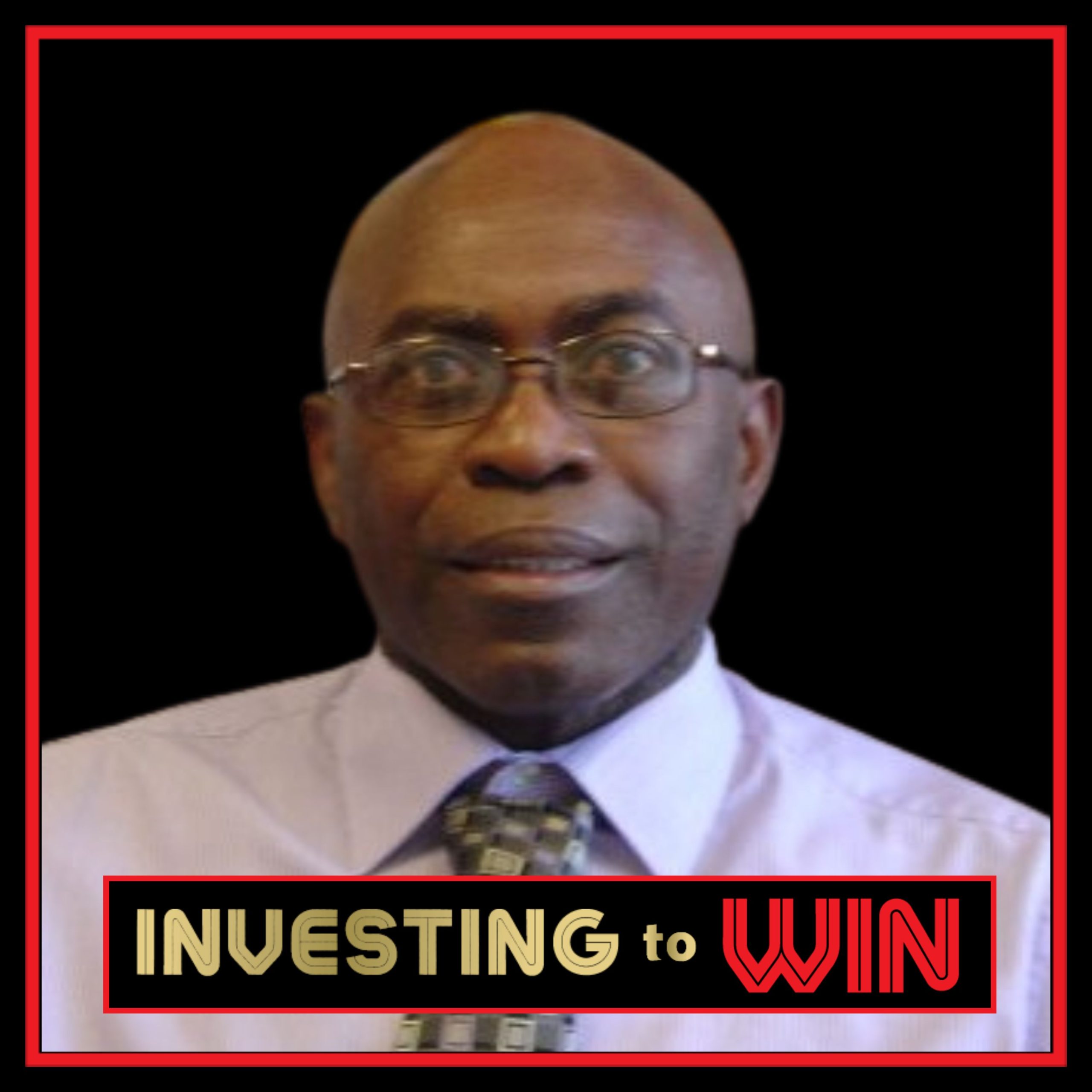
Investing to WIN #075 - Why Disasters Are Not Just Natural Events (Balfour Spence)
Most people think disasters begin when the storm hits, the flood rises, or the earthquake strikes. But according to Balfour Spence, the real problem often starts long before the hazard arrives.
In this conversation, Garret sits down with Balfour to unpack why preparedness, food security, climate risk, insurance, education, and community planning are all connected. The key lesson: hazards do not have to become disasters if we manage risk before the crisis.



Duration: 68:00
Date: Oct 15, 2024
Guest: Balfour Spence - Professor at Brandon University
WATCH THE FULL EPISODE:
Want the full experience? Watch directly on YouTube to support the channel and get recommendations for similar episodes.
What You’ll Learn
• Why a hazard and a disaster are not the same thing
• How poor planning can turn a natural event into a major crisis
• Why food security is about access, income, land, and resilience
• How climate change is affecting hurricanes, flooding, and disaster risk
• Why insurance gaps hit vulnerable communities the hardest
• How cities can reduce flood risk with nature-based solutions
• Why disaster awareness should begin with children in schools
Memorable Moments
“Hazards do not have to translate into disasters.”
“Food aid is not food security.”
“We have to begin to think outside the box.”
Episode Summary
This episode explains why disasters are often misunderstood. Most people focus on the storm, flood, earthquake, or hurricane itself, but Balfour Spence explains that the real issue is how prepared people, cities, and systems are before the hazard arrives.
What makes this conversation surprising is how many areas are connected. Disaster management is not only about emergency response. It involves insurance, poverty, food access, climate change, building codes, school awareness, urban design, and long-term planning.
This episode is for investors, business owners, property managers, community leaders, and anyone who wants to better understand risk before it becomes a crisis. After watching, you will think differently about preparedness, resilience, and the systems that protect people when disaster strikes.
Chapter Timestamps
[00:00] – Balfour Spence joins the Investing to WIN podcast
[02:10] – Balfour’s background in disaster and emergency studies
[05:35] – Why hazards and disasters are not the same thing
[10:05] – Working with the UN, World Bank, USAID, and global agencies
[14:20] – Why insurance is often unavailable to the people most at risk
[18:10] – How hurricanes Helene and Milton connect to climate risk
[23:20] – What food security really means beyond food aid
[38:40] – How disaster response is planned before impact
[53:00] – Why children need disaster awareness education
[59:00] – Nature-based flood solutions, rain gardens, and city planning
[01:08:00] – Balfour’s definition of success and winning
About Balfour Spence
Balfour Spence is a professor in Applied Disaster and Emergency Studies at Brandon University.
He has spent decades working in disaster risk management, food security, and emergency planning.
His experience includes work with international organizations including the United Nations, World Bank, USAID, and the Japan International Cooperation Agency.
In this episode, he explains how communities can reduce risk before hazards become disasters.
Full Episode Transcript
Podcast with Balfour and Garret – 2024/10/11 13:53 CDT – Transcript
Attendee
Balfour Spence, Garret Wong
Transcript
Garret Wong: okay, I think we're good.
Balfour Spence: I think so too.
Garret Wong: All right, my video. Editor will edit out. All of the other stuff. Not to worry, but yeah. Sorry, Who knows, I mean, we'll never know what these computers and what happens.
Balfour Spence: Yeah.
Garret Wong: So I guess we'll back up. It's a pleasure to see you. And I, thank you very much for agreeing to do this.
Balfour Spence: it's my pleasure guard. it's a pleasure to do this.
Garret Wong: Yeah, no. when Mike suggested that you would make a great guest and I saw what your topic of expertise was, I knew I just had to jump on things, especially with current events.
Balfour Spence: absolutely.
Garret Wong: So Yeah, so that's why I wanted to kind of rush things normally because you're in Winnipeg, it would have had you come down to my studio in my office, but again, you're in Brandon. So then we could miss a window here so that's why I thought I do 90% of these virtually anyways.
Balfour Spence: Right. …
Garret Wong: So I thought. What's one more, right? So
Balfour Spence: indeed. Yeah.
Garret Wong: Okay, so what I'm gonna do is I'm just going to start the podcast I'll wait five seconds and I'll just say, Dr. Spence, welcome to my podcast.
Balfour Spence: Whichever choice is yours. Yeah.
Garret Wong: Okay, and I don't know if you prefer Balfour or Dr. Spence but Okay, I'll ask you that during the intro there,…
Balfour Spence: I'm ready.
Garret Wong: So let's just if you're ready, we can begin.
Garret Wong: Okay. Dr. Spence,…
Balfour Spence: Thank you very much, Garret. It's my pleasure to be here and…
Garret Wong: thank you for Welcome to my podcast.
Balfour Spence: I've seen a wonderful guidance questions from you and Well done, thank you.
Garret Wong: No, I'd like to make sure that my guests are prepared. let me ask you. Do you prefer Balfour or…
Balfour Spence: Balfour is great.
Garret Wong: Dr? Spence. How do you want me to address you for this afternoon?
Garret Wong: All right It is so Balfour. I like to have my guests on my podcast introduce themselves, so why don't you start with a very light background? I'm going to dig into your background because that's kind of the topic of discussion today in your experience.
Balfour Spence: Currently I am a professor and…
Garret Wong: But once you just give us a little bit, tidbits about yourself,
Balfour Spence: applied disaster and emergencies studies at Brandon University have been at this here for 16 And I've previously Spent. 16 years as a professor in Geography and geology at the University of the West Indies in Jamaica, where I am from.
Balfour Spence: I have worked extensively Risk management and food security issue. Throughout the circum, Caribbean region that is northern part of South America, Central America, the Caribbean region, as well as short, since in Southeast Asia.
Balfour Spence: Yeah, so in a nutshell, that's who I am.
Garret Wong: Wow.
Balfour Spence: I,…
Garret Wong: Okay. What,…
Balfour Spence: I did my undergraduate studies in geography and…
Garret Wong: what brought you into the field of this study?
Balfour Spence: geology at the University of the West Indies at the Mona campus in Jamaica.
Balfour Spence: I recall End of my first year. My geomorphology professor asked me, What are you doing for the summer? And I said nothing and she said, Go over to mines and geology and tell them I sent you because we're setting up a national disaster office for Jamaica.
Balfour Spence: There might be something there for I was thrown in the deep end because the media play after I joined their We had a major hurricane on our hand. So I had a wonderful laboratory and I think that was what got me going. in this direction,…
Garret Wong: Wow.
Balfour Spence: I saw the opportunity. To change the way we deal with hazards and disasters and you notice I'm making that distinction between hazards and disasters. And to ensure that what we do in terms of managing these events,
00:05:00
Garret Wong: Okay.
Balfour Spence: To our quest for sustainability in development.
Garret Wong: Okay, don't let me back up for a second. There are Brandon University out here in Manitoba. Did you say there's an actual department for disaster recovery?
Balfour Spence: Absolutely. there is a department in the faculty of science.
Balfour Spence: for applied disaster and emergency studies, and importantly, it is one of only two such programs in Canada. It. Dedicated programs. Yeah.
Garret Wong: In so, I mean, That's amazing. I mean how well covered is this in the educational forums around the world.
Balfour Spence: if we one with measuring that is by where we pull our students from And we pull students from across. Canada, as well as internationally. We also pull I'm from Jamaica. Faculty member from Japan etc.
Garret Wong: Of course.
Garret Wong: Okay, just curious. Where is the second place in The educational facility institution,…
Balfour Spence: Your university.
Garret Wong: where this is taught? I do a lot of work with York and their students. excellent facility.
Balfour Spence: Yeah.
Garret Wong: Wow, who would have thought? Okay, that's super interesting. I'm already thinking with all the disasters and there's only two institutions and all of Canada. I hope my listeners are prodding their young educational minds…
Balfour Spence: I'll listen to say those that there are other institutions that do other aspect of managing hazards and…
Garret Wong: because I think you have a shortage
Balfour Spence: disaster, but in terms of a dedicated university program, Especially at the undergraduate level. They're just two, Royal Roads has a master's program of a kind, but, without the foundational background in the undergraduate program, or having the Practical experience. It would be a little chat daunting.
Garret Wong: No, for So back up a second again you mentioned, there's a distinct difference between hazards and…
Balfour Spence: A hazard is.
Garret Wong: disasters. Can you define that for our audience?
Balfour Spence: that event where energy is released either the ternal. Parts of the earth or from the atmosphere. So for instance, An earthquake is not a disaster because if an earthquake occurs in the middle of
Balfour Spence: A desert. And one camel broke its foot. We can call that a disaster, could we? but if an earthquake occur in a metropolis,…
Garret Wong: No.
Balfour Spence: With 10 million people. And we have billions of dollars in damage and lots of life, that's a disaster. So A disaster is really. social economic and environmental consequence. From the impact of a hazard. When To manage these events is overwhelmed. I think that's how I could simply.
Garret Wong: Okay, okay.
Balfour Spence: Good hazards. Do not have to translate into disasters if we have in place Risk management strategies.
Garret Wong: put okay. I think I understand so hazards can occur. It's really the end result or the effects of the people or who knows what city metropolis? That would define it as a disaster and if you can mitigate that ahead of time, then it wouldn't even have to be a disaster.
Balfour Spence: said,
Garret Wong: All that's what I do here. I summarize thanks and obviously bring on great guests. So let's move on.
Balfour Spence: yeah.
Garret Wong: Why don't you tell me a little bit about your time as you started before you came to Canada and some of the things I know you've been a consultant for a number of years. Why don't you kind of enlighten the audience of what you've been through some of the things you've seen.
00:10:00
Balfour Spence: Okay.
Balfour Spence: as I indicated, initially, I've been in the field of disaster management for Early, 40 years.
Balfour Spence: and I'm still learning. So I have worked as a consultant with UN United Nations Worked with international development agencies such as the World Bank. The USAID.
Balfour Spence: Japan. International Corporation Agency in Developing. Programs. And
Balfour Spence: and policies for managing disaster risk in a variety of places. So, I've worked with the UN Food and Agricultural Organization in the Development of Agricultural Di Risk Management Plan. Specific countries in the Caribbean as well as for the broader Caribbean. I've worked with the government of the British Virgin Islands in developing micro insurance strategy for. Poor people who cannot afford traditional insurance. So as to
Balfour Spence: Help them to transfer that risk from the government coffers. To. The individual. Without. Yes. I have worked with the Japan International Corporation Agency in looking at the relationship between disasters and poverty. I have done analysis on the back. End of hurricanes in the Caribbean region. Have worked with the USAID in development of a vulnerability assessment tools that countries can use. To determine. The extent of their vulnerability and in what specific areas.
Balfour Spence: Of their capacity to manage and to respond that their most vulnerable. So I am particularly interested in
Balfour Spence: Facilitating the safety of school children. so, along with one of my PhD students,…
Garret Wong: Hey.
Balfour Spence: I have developed a set of games that can be utilized to
Balfour Spence: enhance awareness about disasters and hazards in schools.
Garret Wong: Wow.
Balfour Spence: Yeah.
Garret Wong: Let me stop you there for a second. You said a bunch of little buzzwords there. food children. Let's break down. insurance for a second here, because I think most people, They see the devastation on TV, they assume that somebody's either going to have insurance or they're not going to have insurance. Can you kind of unpack that a little bit for us with the complexities relationship? You mentioned government. Obviously there's private insurance property, insurance.
Balfour Spence: what I will say is that
Balfour Spence: The proportion. in short people. in relation to the risk that, if they face, it is small in developed countries and even In In. One country that I worked. 90% of the population. Did not have any kind of risk insurance. And if we look at it By.
00:15:00
Balfour Spence: Social Structure, The poor invariably do not have insurance, not because they're adverse to insurance. But because they can't afford it. because if you think about it,…
Garret Wong: Okay.
Balfour Spence: the Poor people are going to live in. Structures. That put them more at risk. Generally. Which means that the premium that is associated with ensuring them would be greater,…
Garret Wong: There. Yeah.
Balfour Spence: so they will not have access, it couldn't afford traditional insurance. All is not lost though, because There's something called microinsurance. Which can be To facilitate access by the poor. the parameters involved in. It are a bit different from your traditional insurance, but I'm not sure how much time we have to talk about that. If you need to know some more about it, I can say some more
Garret Wong: We can break that out in another podcast. Surely, I think my comment on that because I'm in property management. I mean we deal in commercial residential insurance and I've seen claims with even hail damage or that big snowstorm, we had trees breaking and falling on power lines. And what you said there, Balfour is I would say a hundred percent correct because if you are in an economic situation where you're able to afford a newer building than the insurance is going to be proportionately less. So like you said, lower building value, it's going to be older, there's going to be more risk associated with that. There's going to be things not to get too much into the insurance. And we're not even talking about the natural disasters and the risk of that region.
Balfour Spence: Yes.
Garret Wong: And I'd like to actually transition that for a little bit here, we'll touch on it because the reason audience that I wanted to bring Dr. Spence on our. onto the podcast is because his field of study is, disaster management but also food security. And of course I'm releasing this podcast in a hurry because of the recent back hurricanes that have been hitting the southern coast. we're talking about Helene and Milton can you I mean we're talking about Florida and some of the other underlying states there, but of course, That's where the mainstream media is focused…
Balfour Spence: Country.
Garret Wong: but the path is a lot larger than that, can you kind of give your perspective on the path.
Balfour Spence: Yeah.
Garret Wong: And the devastation that has that people are going to be going through and have gone through with the first hurricane.
Balfour Spence: He and you're talking about with Helene,…
Garret Wong: Yes.
Balfour Spence: the path was somewhat similar, in the sense that they traverse the Gulf of Mexico. which at this time of year and especially This year. The surface water in the Gulf. is very warm and the truth don't want to sound like doom and gloom here, but the truth is As. The manifestations of changing climate.
Garret Wong: Hey.
Balfour Spence: Becomes. More pronounced. We should Even warmer surface waters in places like the Gulf of Mexico the Caribbean and the North Atlantic in general, which is, these hurricanes, we experience or they're called North Atlantic Hurricanes because they're similar phenomena elsewhere,…
Garret Wong: Okay.
Balfour Spence: there might not be called hurricanes, right? They're called typhoons or cyclones but is essential is the same kind of events.
Balfour Spence: Not to get too technical here. But hurricanes in general. In the North Atlantic originate of the West Coast of Africa in the North Atlantic. and they essentially follow a warm ocean current That flows into the girl.
Garret Wong: Okay.
Balfour Spence: The Gulf of Mexico. Around the Florida Peninsula. and up the east coast of towards Atlantic Canada. that is the path that 90% of four hurricanes traverse.
00:20:00
Garret Wong: Okay.
Balfour Spence: It's that warm ocean, current that flows through there. This current will be warmer as climates, get warmer.
Garret Wong: Right.
Balfour Spence: So we see two hurricanes in quick succession. In. Florida, and the Florida Panhandle.
Balfour Spence: That's it. Basically following that warmer path and The intensity of these hurricanes are function of the surface they see te surface water because that is what provides the energy. That drives these storms.
Garret Wong: okay, so when you have, I mean, I remember taking my honeymoon It's just my anniversary last year, October 7th, sorry, last week.
Balfour Spence: Right.
Garret Wong: And I remember people saying, you're taking a cruise in October in the Gulf you're asking for it down there.
Balfour Spence: Yeah.
Garret Wong: And yeah, I mean we were very lucky not to have dealt with that. I can't even imagine if we had decided to go last week that's just the ships, never mind, all of the other things. It's,…
Balfour Spence: In.
Garret Wong: and global warming. It's what you're talking about here, It's affecting those. Yeah.
Balfour Spence: That's Right. And because generally these events Are fairly predictable, hurricanes are what we call slow-onset event to distinguish them from earthquakes, which happiness split second, right? We know Hurricane is on the way,…
Garret Wong: Hey, yeah.
Balfour Spence: sometime days before. it impacts and…
Garret Wong: Sure.
Balfour Spence: we also know what time of year, it's a pretty cyclical event. What time of year.
Garret Wong: Okay.
Balfour Spence: So if you're anywhere in the Caribbean and the Gulf between the 1st of June and the 30th of November, you could be in trouble if you don't keep and I whether and climate conditions are in that area.
Garret Wong: Okay, no, that's fair. So we spoke about Food Security. I hadn't even thought about that. Until I saw that as part of your job title, can you discuss food security from a general sense? And then let's maybe circle around and speak about that and, Third World countries versus even First World.
Balfour Spence: Yeah. the Way, I'm going to Impactless. is to say, That.
Balfour Spence: food security, related issues or other food, insecurity Related issues account for more death and health issues. Than. Any. Other. Type of hazards famine starvation malnutrition.
Balfour Spence: Is one of the biggest killers? On the planet. As we speak, and
Balfour Spence: You and I can sit here on TV. And we can watch people.
Balfour Spence: Literally dying of starvation in another country, that's dogs. Of. Now.
Garret Wong: Yeah.
Balfour Spence: When we talk about food, security, we're talking really about. The way. In which people can. And I'm going to use the term legally. Access food.
Balfour Spence: so, food aid is not food security. It's a stopgap mechanism to deal with food shortages. Now, there are two ways by which people can legally access food one. It's about growing it themselves.
00:25:00
Balfour Spence: Or two. By purchasing it.
Garret Wong: Okay.
Balfour Spence: grow To purchase food. You must have access to an income.
Garret Wong: Correct. Yes.
Balfour Spence: so, if we look at it in that context, And we look at the millions and billions of people.
Balfour Spence: In the world. Who have neither access. To land. Or income. Then. We see. Why these people are food insecure. They do not have legal access to food, they've lost it. In fact, one scholar describes that access by purchase as entitlement. So essentially they lose as harsh as it sounds. They lose their title The food. let's relate that to disasters. Let's relate that to what has unfolded and is unfolding in Florida. And other places.
Balfour Spence: Scarcity. Of food. you cannot have Access to food without production production is impacted. It affects access. Why? Because when production,…
Garret Wong: Right.
Balfour Spence: The quantity and availability of food is reduced. The demand does not necessarily change so the demand remains high demand chasing less. Of that. Good means higher prices.
Garret Wong: Yeah, you've got supply and demand charts, right?
Balfour Spence: That's And of course that means that those who already poor Will have reduced access to food.
Garret Wong: Where they already had reduced access in the first place.
Balfour Spence: That's Even more So here with what has happened in Florida? I could see or citrus prices for instance, here in Canada. Going up.
Garret Wong: Mm-hmm
Balfour Spence: And all that we rely on impacted areas for will change.
Garret Wong: so again with insurance people who can't afford it, I mean, basically the disasters are just exacerbating Every situation, They're just magnifying them, five, 10, 15 x compared to what they would have been in the first place, which weren't great. But now you put the disaster in place. how do you Mitigate that. How do you prepare for that?
Balfour Spence: the good thing is that this is a matter. we have to first of all, recognize that
Balfour Spence: No individual community or country. Or region can address this alone. because the truth is that, The drivers behind climate change, for instance. Are not just Canadian drivers, they're not American drivers.
Balfour Spence: They're global drivers.
Garret Wong: Okay.
Balfour Spence: Greenhouse warming. it doesn't matter what the sorts of the greenhouse or where the source of the greenhouse gases are It affects all of us. On the planet. I'm there for saying that the solution must lie. In Global. Collaboration, and global partnership.
Balfour Spence: They are many such partnerships that have emerged The last two and a half decades.
00:30:00
Garret Wong: So this is quite a hot button topic, Because you have environmentalists you have people that just want to recycle and I think the average person maybe even admittedly, myself knows that global warnings happening and you're like, Okay, it's a little bit hotter. Yeah, there's going to be some famine. are you suggesting Balfour that we as a society today can make that much of an impact on global warming, such that there will be a measurable? Improvement in food security.
Balfour Spence: I am making that click that we can significantly.
Garret Wong: Okay.
Balfour Spence: Reduce or greenhouse submission, while at the same time, changing the way that we grow food.
Garret Wong: Can you explain that grow food in which we grow food,
Balfour Spence: Yeah, the we can apply science and technology. To the way we grow food, we can, for instance, jet genetically engineer crops. Tomorrow, job resistant.
Garret Wong: Course.
Balfour Spence: We can do much better at the way. We use the land, for instance. There are certain types of crops which Are excellent at fixing A source of soil fertility of fixing that nitrogen in the soil legumes.
Garret Wong: Mm-hmm
Balfour Spence: If we Practice the rotation of legumes with other crops. Then it reduces our reliance. on chemical fertilizers and that they nitrous oxide that they will release into the atmosphere. Now, we don't necessarily need large tracts of land. To produce food. you live in an apartment building. You could grow long, tomatoes. On your balcony.
Garret Wong: And that would make an impact.
Balfour Spence: Absolutely. Because when the city of Brandon here we have I don't know…
Garret Wong: Interesting.
Balfour Spence: if Winnipeg has one there's been program. Where the city collects? Your organic ways like your grass, cutting your tree cuttings and so on. And see the city takes it away. And they compost it.
Balfour Spence: Can then. Collect the compost. From the landfill. Free of cost. To put on your garden to grow in your summer garden.
Garret Wong: Okay. Right.
Balfour Spence: There are a gardens all around the city. When I was a graduate student at the University of Manitoba, one of the real companies that don't remember what I see Nrcp. They would allocate strips of land. Along the rail tracks. To international To grow summer gardens, all of that. Is a contribut To food security because small plots like that do not use large amounts of chemical fertilizers.
Balfour Spence: So there's a lot that can be done and is being done. The Food and Agricultural organization of the United Nation is one of the leaders in promoting this more kind of sustainable food production. So It has to be a multi-pronged approach. everything with global warming on the one hand and applying or technologies and innovations to more efficient food production systems on the other.
Garret Wong: Okay, and if the food production system in a poverished, country is improved. in the face of disaster, I mean, Are you just suggesting that? Because they have their growing more food. They just will have more or I mean what if those crops are wiped out during a hurricane or things like that?
00:35:00
Balfour Spence: So We have to analyze what the risk are. So if the risk is that their crops could be wiped out, what can we do to prevent their crops from being wiped out? so for instance, in one of the project I work with, The farmers would normally. So, their seeds in the field that they will be transplanted. and what we did, we said no we provided them with those little things that we put our seedlings in and sea trees And so when a hurricane approaches,…
Garret Wong: Okay. Yes.
Balfour Spence: they're pick up their seed trays and then put it onto the cell or they'll put it inside their house. To always after the hurricane, the storm is over. They go back out and Normally they would have lost all of that. So they're implemented that can be applied.
Garret Wong: I see.
Balfour Spence: We have to first of all identify, what the risks are? And then work on the risk, you see Garret for long.
Balfour Spence: For most of the history of disaster management. The emphasis the focus was on two things.
Balfour Spence: And recovery. In all those, let it happen. Then we see if we can provide food and water to people. And help them put their crafts back. Now, or emphasis is on the front end of that mitigation. if we can mitigate the impact in the first place, then we save. On the response and the recovery because much less will be lost.
Garret Wong: as I am continually blown away by my own podcast guests. I was one of those people. I thought actually admittedly that I was going to have you on here. We're going to talk about aid and when I thought about food security, I just thought about vandalism and people stealing the food from the aid trucks and things like that, but you're talking about a much more 10,000 foot 100,000 foot view, to be able to try all these little steps.
Garret Wong: Food insecurity, global warming. What you were talking earlier about the crops and legumes is organic farming. I believe right?
Balfour Spence: Yes.
Garret Wong: Which again I go to the grocery store and I see organic and I see the prices 23% More expensive. I don't think about the positive impact that organic farming can have on food. Insecurity, it's really opening my eyes.
Balfour Spence: That on food insecurity as well as. On. Facilitating sustainability of our Ecosystem Services Because if we're growing stuff organically, we're not polluting the ground water. It's going to cause us love less to treat it.
Garret Wong: Okay.
Balfour Spence: So, that becomes portable.
Garret Wong: Right, of course.
Balfour Spence: Now we're making a lot of saving. That way.
Balfour Spence: yeah.
Garret Wong: Okay, no, I totally see that part. Let's take a very slight step into the hurricane disasters and…
Balfour Spence: Yeah.
Garret Wong: can you?
Garret Wong: I understand that we've spent, a little bit of time talking about prevention and mitigation Maybe walk the audience through what happens almost in real time. On the ground in terms of a disaster happens and then the responses in your experience what normally happens.
Balfour Spence: What happens when we are on the Of impact from a hazard. What Happening long before that threat occurs.
Garret Wong: Right.
Balfour Spence: Because every step that is taken during a threat. in order to be effective, has to be planned. And tested. To ensure that it will work. So, what unfolds? Is. A stepwise plan based on the testing that was carried out before. So
00:40:00
Balfour Spence: We don't experience hurricanes in this part of the world. Alright, not on the prairies, we doing Atlantic Canada.
Garret Wong: No.
Balfour Spence: But we experience a lot of floods.
Balfour Spence: Now.
Garret Wong: Okay.
Balfour Spence: by the time we get to December this year,
Balfour Spence: Water, Steward Manitoba will begin to assess. How much snowfall did we get? in the catchment of the Red River and the Cineboy. They begin to analyze that, and they will analyze it all the way into the spring. In order to Make their flood cast. For the spring. if a flood threatens, then the measures that we have planned begin to kick in. First of all, We have to.
Balfour Spence: Where do we need to Equipment to respond. If we have, An ambulance service on one side of the river.
Balfour Spence: Should we preposition assets on the other side just in case we can't get across the river?
Garret Wong: And what departments? Let's talk about the city of Winnipeg province of Manitoba is responsible for even thinking about this.
Balfour Spence: Which is the emergency management organization for manitobas, kind of the prime. Organization for the province, but each municipality. Has. An emergency management portfolio within them. So the city of Brandon would have an emergency coordinator for the city. The rural municipalities will also have emergency coordinators and they work together as a group. They train together, they work together. Some of course, are more resource and others but that basic structure is and shrined in the emergency management laws of Canada.
Garret Wong: Management laws. Okay, so they're getting their structure and their direction from A tried and tested protocol. That's probably coming more at a global level.
Balfour Spence: not totally because we understand the environment in which these hazards unfold will be different but the basic framework. Exist now. each province might need to tweak that to fit their situation.
Garret Wong: What about aid? I mean, let's shift away from the floods here because we know I think what can happen with aid with farmers and things like that. But in earthquakes tornadoes hurricanes, Tsunamis. where does the aid come from obviously, The hat gets passed around,…
Balfour Spence: Okay.
Garret Wong: but maybe in lightness on that.
Balfour Spence: Yeah, again The aid response is a planned response. We might not know how much aid is required, but they infrastructure for the distribution of aid is a part of the planning process. so, the United Nations for instance has A very rust. Aid response program. Where if there's famine In Eritrea.
Balfour Spence: there's the department that is ready to respond to that now, in itself, the UN is really a conglomeration of different countries. So when we talk about the UN, it's spearheaded by this organization but is supported by the other countries around the globe. so,
Balfour Spence: it's not merely just passing around the hat, It's a structured response. Within that system, their microsystems. So for instance, I have worked quite a bit in the Caribbean region. There's a regional. disaster management organization called the Caribbean Disaster Emergency Management Organization and it's an association of 23 countries in the Caribbean region. That all together. And established protocols among each other. To respond.
00:45:00
Balfour Spence: To disasters, whether it's in the provision of food aid or human resource to recover from a hurricane. If one island island gets hit, then there will be Electricity personnel, that will go there and the infrastructure is in place to move them as quickly as possible.
Garret Wong: So, there is going to be on, guessing a line item on a budget somewhere in each jurisdiction. Each country, depending on the risk of these hazards, and then does subsequent disasters.
Balfour Spence: Yeah, each country in the region provides a suffention to the Caribbean Sedate Emergency Management Agency and so there's a collective pool of resources. That is available for this response.
Garret Wong: What about personnel? I mean we see all of these hundreds of volunteers. Where do they come from?
Balfour Spence: The violent. there are hundreds of volunteers but a volunteer is not just someone who walks off the street. And said, I want to help because to be effective in helping One has to be train To help. So volunteers is of the volunteer organization or established, they're there because a volunteers have to go through training and training and then when something happens, they're deployed. All right. Now, So the Red Cross here,…
Garret Wong: Okay.
Balfour Spence: they're Red Cross volunteer, but these are trained personal. Who on the go regular training. When something happens, the Red Cross says. All right, we need you in the shelters and do. This is what I'm trying to do, etc. So it is very Organized. I mean, there's some areas of volunteerism that doesn't require that kind of level of skill training if they're going to feel sandbags. For instance, I can walk off the street and say I'd like to help and filling a sandbag is not very technical. Yeah.
Garret Wong: No. But I mean, to your point, I think, when I said volunteers, I did mean, even some of the medical personnel. I mean my wife nurse of 33 years going to be retiring possibly next year and it's always been on one of her lists to just Be one of those people that can respond. How does someone even? Approach an organization to be trained to be accepted as a volunteer.
Balfour Spence: so if let's say your wife wants to the Red Cross Red Crescent, has a global reach so, any Red Cross office can be approached and said, I'm interested in being a volunteer.
Balfour Spence: And They will take them through the process of what needs to be done. What's the protocol for doing it? Yeah.
Garret Wong: No, it's really really open my eyes. When we talk about back to back Disasters. And I mean, I believe you said because of the climate and I mean, we are in October as of the recording of this podcast. But is it very unusual to have to-back? I mean, this is literally not even a week later and people probably haven't even taken off the storm shutters and here we go again.
Balfour Spence: It is not unusual. And the thing is that as disaster risk managers, our approach to Preparing for disasters, is in what we call. A multi-hazard context. because,
00:50:00
Balfour Spence: A Generate fires.
Balfour Spence: So fire is a separate hazard. So when we plan for hurricanes or we plan for earthquake, we're also planning for hazards at the same time, for fires at the same time and we're planning for gas leaks at the same time, but he having to big hurricane Back to back.
Balfour Spence: I have never seen that. So close.
Balfour Spence: and, the research hasn't been done But if I were to, Make an informed assumption. I would say the Intensity of these two events. One after the other. Is indicative. Of the level of warming. That we are experienced in a sea surface temperature. It's an enormous amount of energy. That.
Balfour Spence: Is being stored in that sea surface.
Garret Wong: Absolutely. I mean To your point, just what the whole environment. So to paraphrase, then Balfour, in terms of back-to-back disasters, basically those organizations Are prepared for them, even though they're not prepared for them to be quite so close together. Is that what you're basically saying?
Balfour Spence: There. it would be hard for me to say they're not prepared for them so close because
Garret Wong: As much as you can.
Balfour Spence: We knew that Milton was on its way for the past five, six days. We knew that But the problem is that we had to be allocating resources to the cleanup of Helene. And it does matter…
Garret Wong: Right.
Balfour Spence: who we are or where we are. Or resource capacity is quite finite.
Balfour Spence: at some state,…
Garret Wong: So, there's only so many volunteers, right?
Balfour Spence: We can use volunteers but volunteers will require certain resources to work with. Yeah, we could call big Companies.
Garret Wong: Right.
Balfour Spence: And so on, to bring to beer. Disastrous management is always a continuing process. we're always learning. And there are a lot that we have learned. From.
Balfour Spence: Helene and Milton and I can assure you that these will be applied to the management of future events.
Garret Wong: Yeah.
Garret Wong: I mean, we're almost out of time here but before we end I just wanted to touch on Awareness. I'm thinking I'm not aware of half the things you're talking about insecurity versus food security. And global warming organic, farming and things like that. Just nitrogen atmospheres. How much of a challenge is it? to me, this is more of an awareness campaign that has to happen. how progressive are we being at the global level?
Balfour Spence: We're doing stuff but it's not nearly enough that's what I would say. In all the words, we have focused a lot on can campaigns And the Caribbean region, everybody know it's a hurricane season so I need to stock up with food and fuel and so on. But that's not good enough. I've really believe that. What we need in place, our Awareness programs, that begin. With.
Balfour Spence: Our children when they begin school. To let them aware. Of the hazard. And the risks associated with have these hazard. not just where they are.
00:55:00
Balfour Spence: but, Globally.
Balfour Spence: There has to be that awareness. The challenge is, How do you impart that kind of awareness? The school children to young children? I mean, how you can't sit there and lecture at them. So what are you going to do? You're going to have to find innovative of imparting that knowledge to student because Aware children will become aware adults. And I will briefly say that one of the ways. I'm very convinced we could make that enrolled. With our awareness program is by developing disaster, awareness games for children.
Balfour Spence: We have done it in the Caribbean. I do. we have an emergency operations lab here at the university and student experiment with building these games and how they can make them exciting and relevant.
Garret Wong: But even then, Not to be a skeptic but they still have to be accepted by.
Garret Wong: The education. And curriculum is the word I'm looking for,…
Balfour Spence: I really,…
Garret Wong: I mean,…
Balfour Spence: I really cannot speak.
Garret Wong: any resistance there, would you anticipate?
Balfour Spence: For Canada, but When we tried this. In the Caribbean region, there was a lot of resistance. It does not fit into the curriculum. But curricula are not cast in stone. I hope. So, we have to
Balfour Spence: Make space for this. Critical and important aspect of, or In our school, curriculum.
Balfour Spence: No.
Garret Wong: Yeah, we're not just talking about blue boxes and recycling water bottles, which is usually the extent of it.
Balfour Spence: No here at the university.
Garret Wong: The bigger picture is never discussed.
Balfour Spence: I was added Talk with administration here and I'm saying that when our students come in for orientation
Balfour Spence: and disaster awareness should be an integral part. Of that orientation process. We must students in our universities in our schools, be aware. Of what?
Balfour Spence: they can do and should do if there's an intruder. And active shooter.
Balfour Spence: Because that will give us peace of mind,…
Garret Wong: Sure.
Balfour Spence: as parents if we know. that at least, Or children are not at the mercy of whatever unfolds.
Garret Wong: So we've got security active shooters. I would also say that our education system and again this is a whole other podcast but money management, that's never taught. And now that the true impacts of global warming carbon footprints. I know me being in housing,…
Balfour Spence: Yes.
Garret Wong: we're trying to do an apartment block right now and reduce the carbon footprint. and for me, I'm just doing it because I know it's the right thing to do. I realize that there is a larger impact on things like the temperature in the Gulf.
Balfour Spence: Garner just share with you that Myself and a colleague Dr. Chica Henry We got a grant last year. We propose a project. where, We wanted to assess how effective what we call nature-based solutions are in managing flood risks in the City of Brandon. The truth is that when I was a student in Winnipeg, Bishop Grandin ended.
Garret Wong: Okay.
Balfour Spence: At Permanent Highway. there's a whole south-western part of the city that has emerged or…
01:00:00
Garret Wong: Right.
Balfour Spence: urban centers are growing at a phenomenal route. and if this growth, Is.
Balfour Spence: Precipitating. Greater levels of runoff. When rain falls? Because, concrete paved driveways and so on our Stormwater drainage systems are not keeping Of the increased levels of runoff. and it's not keeping a breast imagine, because It's an expensive undertaking to Drainage infrastructure in any city. So what we were looking at is how might we use natural solutions. To reduce the amount of runoff following high, intensity.
Balfour Spence: Rainfall, and we explored a number of options. we did a lot of modeling with these to see how retention ponds would work. What would happen if we put in rain gardens? On people's property. What incentives can To have a rain garden instead of paving over your driveway or something like that, have water, runoff into your garden collected and essentially percolates down to the groundwater system. And we did a presentation last night on the results of it sponsors in India.
Balfour Spence: And we're having a workshop to disseminate this information to our stakeholders here in Brandon including the city of Residential and commercial developers NGOs, etc. So, there's much that can be done.
Balfour Spence: Okay, so a rain garden. is, that, …
Garret Wong: Let…
Balfour Spence: we pay for driveways and…
Garret Wong: let you. Repeat that a rain garden. What is exactly.
Balfour Spence: we have eids around our house.
Garret Wong: A rain garden. Other than what you had just said, can you elaborate a little bit?
Balfour Spence: So whatever water it goes to the ground and it runs off into a Water rain garden.
Garret Wong: Yeah.
Balfour Spence: Does it channels that water into?
Balfour Spence: Excavated area.
Garret Wong: Sure.
Balfour Spence: It's not always very noticeable but it's a slight dip. Let's say on your lawn and…
Garret Wong: Right.
Balfour Spence: it's blasted, it's tones at the bottom that allows water, the percolate whatever is instead of running off into the storm drainage it runs off in there and it gradually soaks back into the ground water system. So it eases the pressure.
Garret Wong: Right.
Balfour Spence: On the storm drainage. And it doesn't flood your property.
Balfour Spence: But you have to, first of all, promote the awareness of these measures and One of the way to get people to do it is to provide incentive.
Garret Wong: Mm- Yeah.
Balfour Spence: If you say, we'll knock 10% of your property tax. If you have rain garden, it's not a lot. No.
Balfour Spence: It's exact.
Garret Wong: Right. And no.
Balfour Spence: Ly, it's actually an investment.
Garret Wong: but what is,…
Garret Wong: what is that 10% versus Insurance basements,…
Balfour Spence: It is an investment. Yes. So there are several others,…
Garret Wong: overland flooding. I mean, or the cost of having to expand that the drainage infrastructure,…
Balfour Spence: I did some of my emergency management training in Japan.
Garret Wong: it's pennies Yes.
Balfour Spence: and I remember going to,
Garret Wong: Yeah. Wow.
Balfour Spence: wa City of Okinawa. Three days after made the typhoon had passed through. And there was very little evidence that a major typhoon had passed through, why? Because the building codes required that all buildings are shuttered. They have hurricane shutters. It's a requirement that roofs do not have overhang that can be lifted off.
01:05:00
Balfour Spence: The trees along the boulevard. Not allowed to grow more than about seven feet high.
Balfour Spence: so, they don't fall across The roadway and block it and they don't bring them down lines. Overlined, they can't bring down power lines because the power lines are Below ground. Yeah, so We have to begin to think outside the box and their examples, all around the world that we could follow.
Garret Wong: So, if you're prepared for it,
Balfour Spence: All right, You're breaking up a little bit there, Garret.
Garret Wong: Are you really enlightened my mind and my eyes on this? Bellfort and I know you've done that for my audience.
Balfour Spence: Yeah, a little.
Garret Wong: It's really been delightful.
Balfour Spence: I'm not sure what's happening.
Garret Wong: If you're up,…
Balfour Spence: It's a little crackly.
Garret Wong: Please get my guess the last word. And I asked sorry, it's
Balfour Spence: Feel correctly. Not sure what's happening.
Garret Wong: interesting. It's completely.
Garret Wong: Just, if it's still correctly. It's the second here. Let me So benefit atomic recording.
Balfour Spence: It's a little better.
Garret Wong: But I still want to be able to say the last word here, just a second.
Balfour Spence: Okay. It's,…
Garret Wong: Anything still correctly.
Balfour Spence: it's better not great, but it's better.
Balfour Spence: Yeah.
Garret Wong: In all if it was mutant unmute. It's still, okay, it's better.
Garret Wong: Interesting. And I just turned, hold on.
Balfour Spence: Okay, keep on going and I'll see how it is.
Garret Wong: Okay, what about now?
Balfour Spence: Okay. But maybe, One word,…
Garret Wong: Now.
Balfour Spence: one word is alright, but I don't know if you have a string of words, what happens?
Garret Wong: But here, I just turned up.
Balfour Spence: I can hear you. It's a little crackly, but I can still hear you. Yeah.
Garret Wong: testing one, two, three testing. One, two, three.
Garret Wong: Strange and yet throughout the entire interview, it was fine.
Garret Wong: I didn't touch anything it's happened before. So I don't know. Maybe my microphones finding finished. Okay.
Garret Wong: I'll try to see what I can say here, so what I'm saying, as I just wanted to thank you for enlightening me and our audience. And I always like to give my guests the final word, and my audience knows, I always ask the same question of every guest, and I want to hear what you have to say. So Balfour, this is the investing to win podcast.
Balfour Spence: Okay, that's An interesting question.
Garret Wong: How do you define success? And what does winning look like for you?
Balfour Spence: All right, I believe that to be a winner to win.
Balfour Spence: You have to first believe in yourself.
Balfour Spence: Secondly. I
Balfour Spence: You have to believe that. Your attainment. Can reach the stars. and beyond, as we say at aspera prosper to the stars and beyond
Balfour Spence: Third.
Balfour Spence: To We have to set ourselves. Realistic goals.
Balfour Spence: But goal setting is not going to be sufficient. We then have to Realistic pathways. To achieve those goals. But at the same time, In that design. To be agi We need to be flexible. So that we can accommodate new opportunities that emerge.
01:10:00
Balfour Spence: I think, finally. We have to be.
Balfour Spence: Introspective.
Balfour Spence: Retrospective.
Balfour Spence: And self-evaluate.
Balfour Spence: Those I see are my ingredients. Or for winning.
Garret Wong: Said, goal setting for me is probably one of the most important changes that I've made in the last year or…
Balfour Spence: Thank you Garret, thank you so much. I
Garret Wong: two and I couldn't agree with you very profound words.
Garret Wong: Thank you again for spending so much time with me.
Balfour Spence: I thank you to.
Garret Wong: And for this last minute interview, I really appreciate it.
Balfour Spence: I thoroughly enjoyed this engagement.
Garret Wong: I love your insight. thank you again for coming on.
Balfour Spence: It provoked me to think about some of the things that I needed to think about. Thank you so much.
Balfour Spence: Bye-bye. I will.
Garret Wong: All right goal achieved.
Balfour Spence: Okay sorry.
Garret Wong: Thank you. just wait.
Balfour Spence: Yeah.
Garret Wong: I'm just stopping the recording.
Balfour Spence: It's actually better. It's not as great as when we started,…
Garret Wong: Okay, I don't know if my mic is still clipping a little bit.
Balfour Spence: but it's better.
Garret Wong: I don't know. I mean, it's not a very expensive one, but clearly, anyways, it doesn't matter. I mean, I think, for a podcast,…
Balfour Spence: Yeah. Yeah.
Garret Wong: I don't know if you listen to podcasts, but it's really about the content that really makes a podcast, not necessarily the production quality and this was a very, very enlightening conversation.
Balfour Spence: Yes.
Garret Wong: I can almost picture. The three of us if we had Mike here.
Balfour Spence: I know it,…
Balfour Spence: it could be a great panel discussion…
Garret Wong: This could be like,…
Garret Wong: in a three hour, long coffee conversation,…
Balfour Spence: where we sit and…
Garret Wong: I mean,…
Garret Wong: it's just
Balfour Spence: Yes, it's not too often I get to do something like this to just sit and…
Balfour Spence: expound on what my views On issues,
Balfour Spence: So this opportunity is just wonderful. I grasput it because I had no idea what it was about to begin with. But my kids interesting, I've run into him when I go to the lodge and just an interesting man.
Garret Wong: Yes, of course.
Balfour Spence: yes.
Garret Wong: And he's very convincing and…
Balfour Spence: Okay.
Garret Wong: very personable. I love Mike, we've known each other for quite a few years. Our kids played soccer together then and my son Evan were together for Six seven years, in high level soccer. And then, of course, he went on all the trips with him.
Balfour Spence: How many,…
Garret Wong: So, that's how I know Mike and…
Balfour Spence: how many kids do you have,…
Garret Wong: life after soccer,…
Balfour Spence: girl? Ret. Okay.
Garret Wong: we've come really, really good friends. Catherine. I have two,…
Balfour Spence: Okay. …
Garret Wong: so I mean,…
Balfour Spence: I have 126 year old
Garret Wong: we call them kids, but I'm sure it's so I have a 20 year old and a 22 year old.
Balfour Spence: Not while he's listening.
Garret Wong: There you…
Garret Wong: Do you refer to them as a kid?
Balfour Spence: Absolutely,…
Balfour Spence: he's been away because he went away to.
Garret Wong: But they're always going to be kids in our eyes, right?
Balfour Spence: He went away to university at 16.
Balfour Spence: Yeah, he went to UBC. I did engineering and he loves Vancouver.
Garret Wong: wow.
Balfour Spence: He's not coming back.
Balfour Spence: Yeah. Early entry to high school…
Garret Wong: 16. So early entry or…
Balfour Spence: because the thing is that when He came from Jamaica.
Garret Wong: do they have a program? Very smart.
Balfour Spence: And he had already done grade six. And so when I came in because of his ages said, no. He has to do grade six. But after about three weeks of school called and said, He's not being challenged. Can we move into grade seven? So he got into high school a year,…
Garret Wong: It's just
Balfour Spence: early out to university a year early. And he was young to begin with.
Garret Wong: Yeah.
Garret Wong: I mean Yeah, so maybe socially young but certainly I'm intellectually, And a lot of that had to do with maybe himself and…
Balfour Spence: It's funny to say socially young,…
Garret Wong: also, would you see the school system is ahead?
Balfour Spence: You're so right, in fact, I hadn't an issue with him a few days ago. And though one young lady came into my office today and she calls me that so I decided, to Share the issue with her and…
01:15:00
Garret Wong:
Balfour Spence: to see as a young person, she's 9 18 or 19. And I'm saying, What's her perspective? And her perspective were identical to his so, Obviously, I'm not with the time.
Garret Wong: Yeah.
Garret Wong: Yeah, I know it is very interesting. My son, the 20 year old basically did his entire high school through Covid.
Balfour Spence: One.
Garret Wong: So I mean, what does that literally mean grade 9 through 12, right? And graduated just in time to have it in person graduation,…
Balfour Spence: It's I my son so he finished 10 he finished in 2020.
Garret Wong: but every single class through high school was virtual. What does that do to a young person? socially.
Balfour Spence: And yeah, so it's covid time. he did engineering. So we were supposed to go to his Iron Ring ceremony and…
Garret Wong: Okay.
Balfour Spence: we bought her tickets ready to go the day before. We were gathering. So we didn't get the chance to go to his graduation.
Garret Wong: The world shut down. Mm-hmm.
Balfour Spence: Since He's been working from home. So no interaction in the office and I don't think that that served him well at all.
Garret Wong: Yeah.
Balfour Spence: None whatsoever. So he Exactly.
Garret Wong: No, there's no water cooler conversations, there's no going for coffee.
Balfour Spence: So he started at one job and,…
Garret Wong: There's no meeting colleagues.
Balfour Spence: A few months later,…
Garret Wong: and it doesn't tie you to a job either.
Balfour Spence: he says I got a better offer at bc Hydro and I'm going and we're saying but there's something called loyalty.
Balfour Spence: No.
Garret Wong: Money isn't everything.
Balfour Spence: It's exactly. So Then he went to bc Hydro.
Garret Wong: And your employer invested in you and you…
Garret Wong: if you're going to leave for 25 cents, more per hour or whatever it might be,
Balfour Spence: He laughed a few year,…
Balfour Spence: he realized he didn't like this at all because he didn't like to be wrangling with landowners about transmission lines going across a property and So he quit. And went back to school for a year he wanted to get into the design aspect of it where he doesn't have to. Be out in the field. And so that's what he resumed work. Three weeks ago, and He seemed to be enjoying this, I hope that stays but the hope is that he will learn from each of these experiences. and, make Adjustments accordingly. Yeah.
Garret Wong: Okay.
Balfour Spence: .
Garret Wong: Yeah, my entire staff through Covid became remote.
Balfour Spence:
Garret Wong: And then now I have a property management company was 17 staff and I have 10 people that are Throat. I've got two Nicaragua one in El Salvador and the balance in Mexico. So I'm well versed in trying to motivate higher remote teams and I think I do it very well but it's such a challenge versus the energy that you simply get from bringing in a box of Tim Hortons in the morning,…
Balfour Spence: There you go. and then, can you imagine a situation where someone does not have a clue?
Garret Wong: It's just
Balfour Spence: How to remote staff?
Balfour Spence: Yeah.
Garret Wong: I even struggle,…
Balfour Spence: One.
Garret Wong: I mean we have next week a virtual Halloween party, Costumes. And I mean this is the fifth or sixth year we've done it and there's people in full makeup, they're not just buying a hat and…
Balfour Spence: Okay. Yeah. Yeah.
Garret Wong: putting it on and we'll spend an entire afternoon playing games So I do put a lot of effort into it, but even still my hope is that I can grow the company to the point that it could be in a more centralized location and have everybody there in person mandatory because I just haven't felt the energy and the motivation and engagement that you can compare to.
Balfour Spence: Yeah. …
Garret Wong: Sitting across from somebody,…
Garret Wong: sharing a meal, going for a walk together.
01:20:00
Balfour Spence: I, …
Balfour Spence: a lot of the young students…
Garret Wong: Walking to the parking lot together, it just doesn't happen.
Balfour Spence: who come in you they're coming and They're two major lectures theaters outside my office. And they're will be 200 students gathered in the passageway along here. And I don't hear a word not words before covid. I could hear rule constant hum of voices.
Garret Wong:
Balfour Spence: Not a word.
Garret Wong: So, they're just doing this.
Balfour Spence: Why?
Balfour Spence: Absolutely everyone.
Garret Wong: they're probably on this device then, right?
Balfour Spence: It without exception, you don't hear a single word exchange. Yeah. More.
Garret Wong: Yeah, it's very strange. I
Balfour Spence: Or they walk along the corridors and I don't know, they must have some echo, sensory thing they have developed…
Garret Wong: I don't have any words for it.
Balfour Spence: because I don't know…
Garret Wong: It's
Balfour Spence: how they miss colliding into people. Because they're in their phone.
Balfour Spence: Box.
Garret Wong: yeah, maybe through evolution they developed echolocation.
Balfour Spence: Okay.
Garret Wong: Yeah, all jokes aside my youngest son is now at Red River.
Balfour Spence: Yes.
Garret Wong: Exchange campus, first year, he chose to be virtual because that's what he wanted to do because of high school and then we forced him out of his comfort zone and said At least do half time. And now he's friends,…
Balfour Spence: And exactly.
Garret Wong: he'll go down there and…
Garret Wong: he's finding it quite like even group projects How do you do group projects with people that never turn the cameras on during a course.
Balfour Spence: It's just not functional,…
Balfour Spence: I
Balfour Spence: yeah, I
Garret Wong: I mean it's
Garret Wong: Yeah. Yeah, I'm worried about our future to tell you the truth, but maybe change,…
Balfour Spence: every other year I run a field course in the Caribbean,…
Garret Wong: you hear about Microsoft and Amazon and Google mandatory, in person now.
Garret Wong: So we'll see what the trends are going to be.
Balfour Spence: And I take students down there just to let them see…
Balfour Spence: how the other part of the world. It was one guy who When he went, this was a very first time he was leaving Manitoba.
Balfour Spence: Yeah, and yeah. But it's just amazing how quickly. Data.
Garret Wong: Wow.
Balfour Spence: Yeah.
Garret Wong: That's fair.
Balfour Spence: There you…
Garret Wong: Yeah. No,…
Garret Wong: our young people are quick to adapt,…
Balfour Spence: There you go.
Balfour Spence: So I am.
Garret Wong: but I think that's also…
Garret Wong: what makes your son.
Balfour Spence: …
Balfour Spence: Sometime I question myself…
Garret Wong: So quick to change jobs. Right. Yeah.
Balfour Spence: because he was born in Jamaica.
Balfour Spence: because after I finished at the u of M, I went back to Jamaica to teach at a university there.
Garret Wong: okay.
Balfour Spence: And also done a little bit tint of teaching in Indonesia and the Philippines.
Balfour Spence: Sometime I wondered when I should have kept him in Jamaica…
Garret Wong: .
Balfour Spence: because it's more structured like the education system is much more structured even during covid. the teachers were going to their houses. And yeah,'s so I don't know, but His social skills are not well-honed.
Balfour Spence: Yeah, this is a smart kid, but wow.
Garret Wong: I mean Buddy will catch up.
Balfour Spence: Yeah. man.
Garret Wong: He sounds like a smart kid so I don't think you have anything to worry about. Yeah. Okay,…
Balfour Spence:
Garret Wong: I won't take any more of your time. I'm gonna talk to Mike.
Balfour Spence: Hey, he's at your office.
Garret Wong: He's gonna be upset because he said, you have to get Balfour into your office, can I sit in the back? I just want to listen to him.
Balfour Spence:
Garret Wong: It no no I'm saying this is…
Balfour Spence: hey.
Garret Wong: what he would love. He asked me if I could tell him when we're because he thought we were going to do this in person and I just knew of the timing of it through and…
Balfour Spence: …
Garret Wong: plus then we're doing it in the evening and…
Balfour Spence: I hope next time.
Garret Wong: and…
Balfour Spence: I speaking that I hope the next time I see him a bit more time to chat with them,…
Garret Wong: this is what Mike would like, And so he's gonna be disappointed and that's what with me but we'll have to get out together.
Balfour Spence: because I'm always rushing to get back to Brandon after the meetings, and Winnipeg,
Balfour Spence: Yeah.
01:25:00
Garret Wong: Yeah, we'll plan a coffee, honestly, if you happen to be in Winnipeg for an errand, bring us up. You've got my cell phone number. I do these podcasts not just for the interviews…
Balfour Spence: Yeah.
Garret Wong: but to really expand my network and my reach, I interview people all over the world now and it's turned away from a real estate podcast to just Different. I love origin stories and that's why I kind of took you through that…
Balfour Spence: Yeah, guard I didn't say on the podcast,…
Garret Wong: because I just find it fascinating where people were and where they are today and…
Balfour Spence: but I began my life,…
Garret Wong: their views.
Balfour Spence: as I Deep rural Jamaica. No electricity. No, running water.
Garret Wong: I would have loved to dig into that.
Balfour Spence: Barefooted to school. yeah, When I left high school. I joined the military.
Garret Wong: Yeah.
Balfour Spence: And yeah, I thought, but the country was going through some rough time and…
Garret Wong: my goodness.
Balfour Spence: joined as a military officer, As their office around, we would normally be sent off to Sandhurst in England for offices training. But the government couldn't afford to So they kept me in as a military intelligence cadet.
Garret Wong: Right. Yep.
Balfour Spence: I, Discovered some things about the military that didn't sit well with me. So I Went to university. So here, yeah.
Balfour Spence: yeah, but it's something that I don't.
Garret Wong: Yeah, that's the kind of thing that I love to get into so well.
Balfour Spence: Talk about a lot because, it was rough time. I mean, I don't mind talking about my background. I lost one of my sisters in Jamaica over the summer and we were out there. And after the funeral I have a sister In California,…
Garret Wong: We sort of hear that.
Balfour Spence: she's a cardiologist and We decided suddenly it don't us that we had not seen each other since 2005. Yeah. so we planned and we went down to the Turks and…
Garret Wong: Okay.
Balfour Spence: Caicos Islands with one of my nephews and just Catch up.
Balfour Spence: That Turks and Caicos. Yeah. Are you good?
Garret Wong: I've been there once it was wonderful.
Balfour Spence: Are you a C person? Ocean person.
Garret Wong: I have Yeah. yeah.
Balfour Spence: No, I am terrified of it. Right? A lot of island people are,…
Garret Wong: I have to be our own water. Yeah.
Balfour Spence:
Garret Wong: Okay.
Balfour Spence: We always associate the sea with disasters.
Garret Wong: Always that, I guess cuz of the disasters in the hazards.
Balfour Spence: Yeah. Yeah.
Garret Wong: Interesting,…
Balfour Spence: I don't go much further than I can stand.
Garret Wong: I can see that now that we've had this conversation but
Balfour Spence: I can swim
Garret Wong: I mean when I say that,…
Balfour Spence: Okay.
Garret Wong: let me preface that by saying It's not like I'm not a beach person per se.
Balfour Spence: Okay.
Garret Wong: I like, what the islands represent and the pace, and we rented a beach house, it was a destination wedding with some of our really good friends, and I was only the four of us actually.
Balfour Spence: Yeah, it's actually because one of my PhD students.
Garret Wong: So that's how I experienced Turks.
Balfour Spence: It's from the Turks and Caicos And she has a villa. they have a number of villas there. in the down season, which is, a good chunk of the summer months between June and end of August, they call the regarded the down season because it's warm enough, that people are not heading down there, I can go there. Free, of course.
Garret Wong: Hey.
Balfour Spence: So that's all right. Yeah. Yeah.
Garret Wong: I should have got another three 30 and…
Balfour Spence: It is Thanksgiving weekend,…
Garret Wong: I'm sure you want to start a long weekend, so,
Balfour Spence: is it?
Garret Wong: Yeah, it is.
Balfour Spence: And…
Garret Wong: So I want to be respectful of your time,…
Balfour Spence: thanks Garret. I just really enjoy chatting with you. Yeah.
Garret Wong: but I'd love to continue this. it's Not likewise. It's been very, very pleasant. And like I said, I'll talk to Mike if there's any sort of chance that we can somehow meet in the city for some coffee,
Balfour Spence: I would absolutely love that.
Garret Wong: it would be wonderful. Yeah.
Balfour Spence: would love that. My wife loves to come to Costco and
01:30:00
Garret Wong: I went this morning, do not go on a Friday before Thanksgiving.
Balfour Spence: which one did you go to? so that's the one we always go to.
Garret Wong: I went to Saint James, so, it actually wasn't that bad because I purposely went after nine o'clock. Where They'll be elderly people. Go there at nine o'clock and…
Balfour Spence: Okay.
Garret Wong: then there's a couple clock rush. And then the five o'clock I was there at 11 and actually got a parking spot with a waiting,…
Balfour Spence: Whoa, whoa.
Garret Wong: but But five minutes if you can believe it or not, it wasn't busy at all. I think I just got lucky.
Balfour Spence: Really. nice.
Garret Wong: Yeah. Yeah.
Balfour Spence: All right, take care.
Garret Wong: Anyways thank you so much.
Balfour Spence: I'm tight.
Garret Wong: Yeah YouTube.
Balfour Spence: All right. Remember God to Mike.
Garret Wong: Alright thanks Balfour. Thank you. Absolutely, I will. Take care.
Meeting ended after 01:30:57
Want more episodes like this?
Join my email list and I’ll send the best insights from real estate + business + investing.