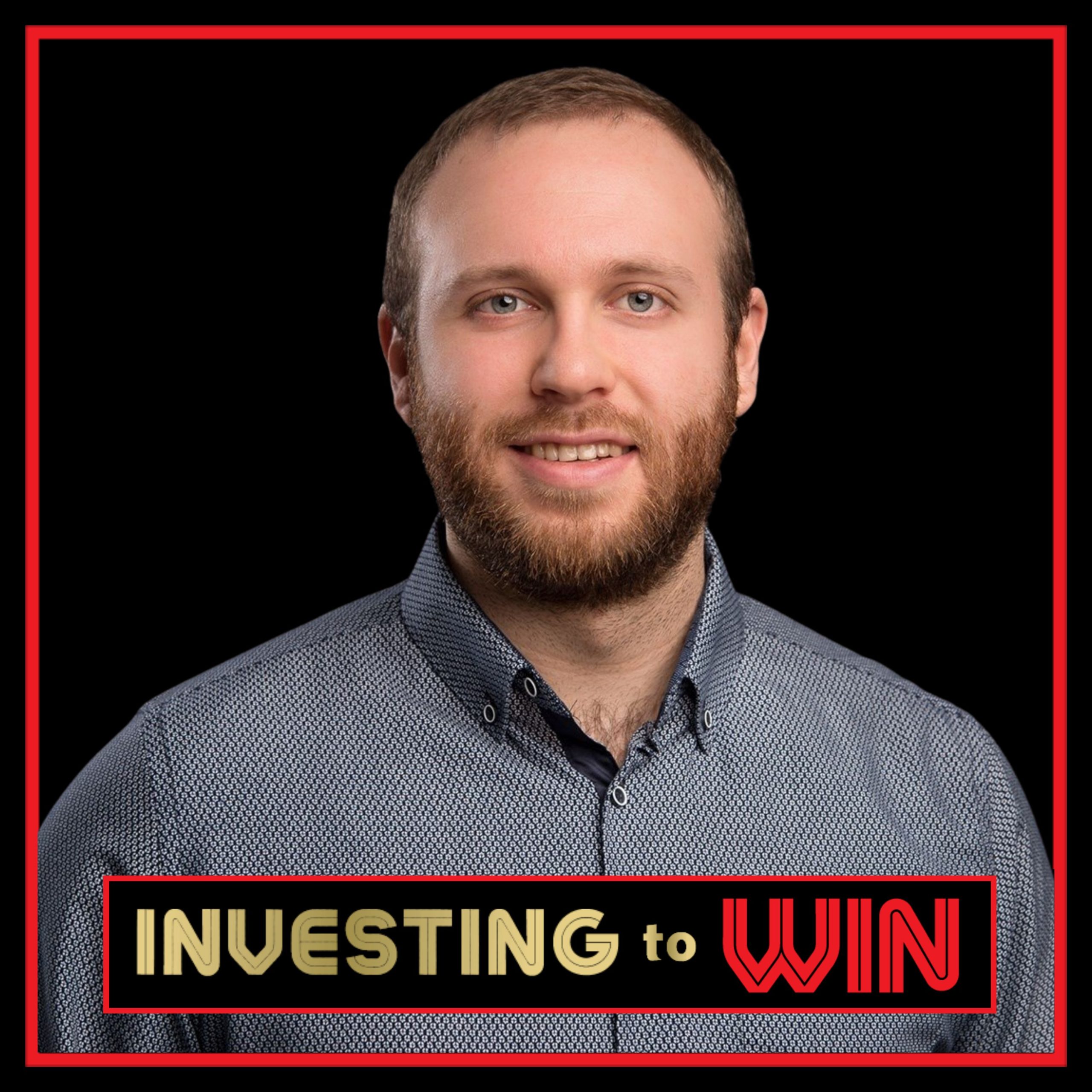
Investing to WIN #014 — How to Build a Profitable Interprovincial Real Estate Portfolio in Canada (with Matt Landsborough)
Many investors get stuck when their local market becomes too expensive or too competitive. They assume the only option is to wait, overpay, or stop growing altogether.
In this episode, Matt Landsborough explains how he scaled past those limits by investing across provinces. He breaks down how to evaluate unfamiliar markets, earn investor trust, and make decisions based on numbers instead of emotion.



Duration: 53:00
Date: May 16, 2023
Guest: Matt Landsborough – Founder of Dwell Logic Investing
WATCH THE FULL EPISODE:
Want the full experience? Watch directly on YouTube to support the channel and get recommendations for similar episodes.
What You’ll Learn
• How to decide when it’s time to invest outside your home province
• The exact research Matt uses to evaluate new markets before buying
• Why smaller, “boring” deals can accelerate long-term portfolio growth
• How to build investor confidence when deals are far from home
• The mindset shift from transactional investors to long-term partners
• How diversification across provinces reduces portfolio risk
Memorable Moments
“I got priced out of my own market.”
“My investors are investing in me, not just the property.”
“A deal lives or dies on the numbers.”
Episode Summary
This episode tackles a common challenge for Canadian real estate investors: what to do when your local market no longer makes sense. Many investors believe scaling means staying close to home, even if the numbers stop working.
Matt challenges that assumption by walking through his interprovincial investing journey across British Columbia, Manitoba, and Alberta. He explains why unfamiliar markets can actually be less risky when decisions are driven by data, not emotion or headlines.
This conversation is especially useful for investors who feel stuck, under-scaled, or overly concentrated in one market. After watching, you’ll have a clearer framework for evaluating new provinces, working with investors, and building a more resilient portfolio.
Chapter Timestamps
[00:00] – Getting priced out of a home market
[02:00] – Why Winnipeg became the first expansion market
[04:55] – Researching and entering a new province
[06:59] – First Winnipeg deal and 100% BRRR example
[10:07] – Why diversification matters more than expertise
[12:44] – Bottlenecks: capital, contractors, and time
[19:43] – Shifting from transactional to relationship investors
[43:36] – Defining success and winning in real estate
About Matt Landsborough
Matt Landsborough is the founder of Dwell Logic Investing.
He invests in residential and multifamily properties across multiple Canadian provinces.
His focus is on data-driven acquisitions, geographic diversification, and long-term portfolio resilience.
Matt works closely with joint venture partners to scale projects across British Columbia, Manitoba, and Alberta.
Full Episode Transcript
00:02.82
wongga
Wow, Yeah, that's that's great insight I like I said I Love um, just where everybody comes from and those different skill sets. Um, so you touched on real estate a little bit in your journey but you know what is The. The portfolio look like what's the summary. How many units do you have and you mentioned provinces. What provinces you're investing in currently.
00:21.89
Matthew Landsborough
Yeah, so there's a bit of a story to that I started out thinking I was just going to keep living in Bc and just do rentals here just do small multifamily and single family burrs at the time there was a real sweet spot in the market for those where I was living on Vancouver island. Um, and they were pretty easy to find those deals and unfortunately over the next couple of years. The market just kept rising and rising and cap rates go lower and lower as more and more people from Vancouver and Victoria realized how nice the upper half of Vancouver island actually is and I got just priced over the market. Even though I was working with investors. Um, it just became impossible to do proper bird type deals mills and the flipping opportunities started to drive drive up as well. We were just going like every property even um, private sales were going into like 20 person bidding wars or. Um, so at that point my spouse Justine who's in the military she was talking about relocating back to Winnipeg anyways for her job and had so a number of investors by then and a lot of them had budgets in that 50 to $100000 range and the only way I could get them into a deal and Bc was be to combine 2 or 3 of them together but by going to a lower price point market like Winnipeg. Um I was able to do individual deals with each investor and um I was able to kind of sidestep the craziness in the bc market.
02:00.10
Matthew Landsborough
In 20192020? Ah so we kind of we made the move and physically switch places and I've kept doing deals in Bc the whole time. Um, but at a reduced rate I went from doing 4 or 5 a year down to just 1 or 2 but started doing 5 plus deals a year in Winnipeg. And then ah last year in 2022 we expanded to Alberta as well. So at the moment we're sitting on a portfolio of 4 rentals on Vancouver island a button sold some here over the last few years but we've got ah a core little group. We're holding. And then I have 12 rental units in Winnipeg manitoba and I have another 12 in red dear Alberta um, and at the moment I have another 12 rental units under contract in Powell River british columbia and that's where I'm going later today to do my due diligence walkthroughs on those properties. So hopefully a few weeks from now I'll have tripled my ah Bc portfolio size again.
03:08.90
wongga
That's absolutely crazy. Um, yeah, let let's back up for a second here so you're Nbc you're getting priced out of the market. Um.
03:19.25
wongga
You mentioned your spouse and and winnipeg and having a transfer here but had you had you looked at any other provinces or was this opportunistic for because you guys were thinking about moving here.
03:29.85
Matthew Landsborough
I it was somewhat optimisistic so I had already spent about a month researching different markets and Winnipeg was on the list as an option I had also looked I was really interested in parts of Alberta still am um I was looking at Saskatoon and Regina. Parts of Ontario where I had lived in the past and it had a lower price point. But also I was I had some local knowledge. Um, but Winnipeg was definitely an option. The price points were pretty good. Um, winapeg has a lot going for it from an investor's point of view. Pretty strong regional market lots of employment opportunities. And my spouse justine had lived there before and really enjoyed it so when work offered her the chance to move back. She was very keen on it and I at that point was pretty keen just to go somewhere where I could keep growing right because my business was kind of stalling out I just wasn't getting the deal volume. I needed to to scale quickly. So we we took the leap and it it turned out to you know, be a great move It's really been a game changer for us I think we know I mean I think.
04:34.48
wongga
Okay, so I think I remember I mean I think I remember meeting you a few years ago at a networking function. Um, and you had just basically come here remember this story but I mean tell us tell the audience like how do you.
04:41.23
Matthew Landsborough
Next.
04:49.73
wongga
How do you go to a different province and say hey I'm just going to start investing here like what are those steps look like.
04:56.26
Matthew Landsborough
Ah, so the first one is just a lot of research on my own time like reading Cmhc and stats canada reports trying to get a feel for the local economy and then trying to dig up any online content I could find. On the different neighborhoods and real estate reports and looking at the like and mls brokerage statistics and and then from there started networking so I joined um the investing group. We're mutually a part of and eisc and and started networking there and building some context. And just asking and you know probably a really annoying number of questions to most people trying to pick everybody's brain but within um I think within six weeks of moving physically arriving in Winnipeg I had put 2 properties under contract both of which I still own. Actually.
05:49.79
Matthew Landsborough
Um, yeah, and we started out. There was definitely a bit of a grind at first and the volume was picked up significantly after the first year there um, the first year in Winnipeg. We probably did 5 deals maybe sits and I mean last year we did 20 deals. So the the volumes picked up significantly as we've built up local knowledge and a better network. We've been able to do a lot more to start with um I was very cautious about what I was ready to pull the trigger on just trying to be aware of the the gaps of my knowledge right? and lean really heavily on other people in my network.
06:29.24
Matthew Landsborough
But now that I'm a lot more comfortable with Winnipeg. Yeah, we've we've been finding a lot more opportunities.
06:36.65
wongga
So yeah I just this is like I said this is a minieries on why Winnipeg. But I also want to you know um, interview interprovincial investors. So you know you're the first on the podcast. So I think everybody's going to get a lot of value from it. But I mean. Let's talk about your first deal was it a flip was it a bur like you know how to had where you where did it come from? Yeah yeah.
06:59.51
Matthew Landsborough
But first in Winnipeg you mean Yeah, so the the first one I did in Winnipeg was a single family bur just a little 2 bed 1 bath house and East Elm Wood really nothing that special except it was a private sale and I was able to tie it up on a really good purchase price. And really favorable contract terms and it wasn't it really wasn't groundbreaking any way. It was kind of a whole hum deal to be honest and we still hold it and it cash flows. Well we don't have we were able to do a hundred percent bur about eight months after taking possession. I think renovation took about three months to complete and then we placed tenets month five and then it was just the the delays of banking during the covid era getting the refinance done so it wasn't I think we bought the house for 122000.
07:41.52
wongga
Um, okay sure.
07:54.38
Matthew Landsborough
And refinanced it for 188000 so it was I mean it was great deal and it it at that time with those interest rates. It was cash flowing almost $500 a month I think we were around four hundred and seventy dollars that's come down a bit because of the the rise in interest rates but it's still. All means a profitable property and we've been able to get the rents up since then as well. But I still have the original tenants we placed in it. They're still there almost three years later
08:24.44
wongga
Yeah, that's that's really that's really neat. Um, would you say that you chose maybe a smaller bur you say a ho hum deal but I mean really, you don't want to go into a big you know $3000000 three story walkup deal either when you don't really know the market.
08:39.58
Matthew Landsborough
Ah, um I I wanted to start small at that point the the biggest property I've ever done was like really large duplexes I'd never done tracklets or fourpllet yet or any like true commercial multifamiies. So. Yeah, it was a conscious decision to start small and I was trying to work with a different pool of investors that previously I hadn't really been able to work with 1 on one because they just didn't have large enough budgets to do deals in Bc so it was a little bit of a constraint but kind of a blessing and disguise to focus on some of those. Um, cheap properties for lack of better term the sub $200000 purchase prices. Um because it gave me good exposure and gave me more practice working 1 on 1 with joint venture partners. And it kind of it. Let me diversify my portfolio at the same time right? I was really targeting a different tenant class a different asset class than I dealt with before and it's it's been really beneficial and one of the big reasons I've kept trying to spread out geographically is to diversify more and more. And it's definitely something I'm trying to pursue actively right now. It's all well and good to you know, become an expert in one area and 1 type of deal and you know get really good and rinse and repeat. But I think when we focus on that to the exclusion of all else we make ourselves really vulnerable.
10:07.45
Matthew Landsborough
Black swan events and changes in the market and just changes in Um, what our renters or our end buyers are looking for as well.
10:19.51
wongga
Yeah I um had a question here that came up as you were just answering that question. Um, and it has to do with your investors your joint venture partners. So I mean. Knowing the Winnipeg market now or maybe you've had 2 or 3 deals under your belt you find that out of provincial investors if you have some I'm assuming so that are now. Okay I'm investing with Matt and Winnipeg how much confidence does an out-of-pro investor have to have when you're trying to. Get their money into a different province or do you find? It's more advantageous to use a local investor that maybe is more comfortable within that own province.
11:00.32
Matthew Landsborough
Honestly, so having done both now on my end I find it's much easier and smoother to use out of province investors than local and I actually get less pushback and opposition from out of province than I do in province. Ironically enough people from Winnipeg don't seem to be big believers in it. Um and vice versa. They're very keen to invest oakside of Manitoba and people from and Ontario Alberta British Columbia have been really keen to invest in it. And diversify out of their home province and into a really different type of real estate market. That's a lot more stable. It has a lot less volatility.
11:41.88
wongga
That's a really interesting perspective I never thought about it that way. But yeah I mean I could see definitely me being a longtime Winnipegger Lifetime Winpegger You know you don't know. What your backyard is and plus there might be the micromanaging part of it too. Oh I know that area I don't like it. Um, you know, let's move to something else. Meanwhile you're you're evaluating deals on numbers and what makes sense right? not emotion.
12:04.45
Matthew Landsborough
Yeah, and I'm also to ah to a deal lives or dies on the numbers. But I'm also speculating on to a certain degree on where I think the neighborhood is going to be 105 years from now now. And having an an outsider's perspective on that can sometimes be helpful.
12:24.55
wongga
Yeah, no for sure for sure. Um, but I mean talk it to me about bottlenecks I mean so you you said you know the first year you did a ah few deals five I think you said and I I think you said like.
12:36.20
Matthew Landsborough
And.
12:38.96
wongga
15 or something in your second. What are the bottlenecks is it deals is it contractors is it money like what what challenges would somebody have going into another province.
12:44.30
Matthew Landsborough
For me. For me. The biggest hurdle was finding reliable contractors and just access to enough capital to do the deals still to this day I find them turning away some opportunities or trying to wholesale them again instead just because I don't have the investor Capital. Or um and this is more a thing that's come up more recently in 2023 is is limited resources in my time haven't scaled quite to the point yet I can justify having many staff and so at this point I'm I'm trying to transitioning away from being a one man Army Hey yeah.
13:16.16
wongga
Of course.
13:27.28
Matthew Landsborough
And starting to work with Vas and and rely on more contract bookkeeping and whatnot and that's great, but that's become a limiting factor but I would say in 2021 and 2022 the biggest limiting factor was by team like contractors that were available to take on the deals that i. Contractors I was willing to work with put it that way and then um investor capital oh and finding the right and mits of investors from different provinces that wanted to do different sorts of deals right? So finding some investors that were really keen on doing flips finding some that wanted to do.
13:48.71
wongga
Right.
14:06.59
Matthew Landsborough
Rentals of single families multifamiies different scenarios and so it's taken me a few years to to build up and properly vet a good core group of investors that are comfortable working with me and I'm comfortable working with them and who are comfortable and they're comfortable. You know, investing in the areas I want to invest in right? like I I spent the last since 2019 I was trying to invest in Alberta and just had a terrible time finding an investor that was willing to back me on those opportunities right? I don't know how many good.
14:25.10
wongga
Okay.
14:42.10
Matthew Landsborough
Multifamily burrs I had to pass on in Alberta for I finally connected with the right investor that was willing to back them? Um, um at that point so when oil declined in 2016 that really kicked the Alberta real estate market.
14:48.24
wongga
What challenges like what concerns did they have.
15:00.67
Matthew Landsborough
And the teeth prices declined significantly rental rates declined quite a bit as well now and that created a lot of opportunity to buy at really good discounts. Um, but there wasn't a clear timeline yet on when the recovery was going to happen right? Meanwhile the rest of the. Real estate and most of the rest of the country was booming I mean and so it made people really gun shy most people anyways and they were looking at the headlines seeing all rentals of declining in Alberta prices are down 15 % in Calgary 10 percent in emmonton there's a lot of doom and gloom. And and elsewhere in the country was the opposite story and I kind of looked at that as an investor as okay. This is an opportunity to get in without a lot of competition and to tie things up at a really good rates knowing that in a few years oil was going to recover. Or some other factors going to happen and the Alberta economy is going to bounce back and then we're going to be in a really great position. We'll not only you know wo be beyond being poised to strike. We're already in the market have the local knowledge and the teams built up and some cash flow already from the properties we had. Um, and you know there's no sense crying over spilt milk it it just didn't happen I couldn't make the connections I needed to make then and in twenty early twenty twenty two I finally was able to and we were able to put together a really good project which is now just in the refinance stage.
16:30.21
wongga
Okay, okay, so in terms of it's really a confidence play then right with your investors. Obviously you have to do your research but you have to have and show somewhat of a track record. No different than than Winnipeg. But you know trying to branch out. Research research research and then make sure that you know your numbers because again, it's all about the numbers right.
16:51.61
Matthew Landsborough
Yeah, and as much as anything my investors are they're investing in me and their confidence in in my abilities as a project manager and an analyst as much as they're investing in the actual property itself on on paper they're investing in a particular. Property or deal with me but but the whole reason they're doing it is because I've earned their trust and that's really what makes it breaks it and what I found is tar trying to work with the investors that have that attitude. Um. Avoids a lot of conversations about well you know I don't like this neighborhood or I've heard this city isn't that great I think I'm going to wait for the nets deal and I ended up ended up working with a bunch of people who were essentially tire kickers and just nothing was ever quite good enough. There was always going to be a better opportunity Nets Week. Could find a different deal that was going to be a better fit for them and I was just wasting an outrageous amount of time vetting deals that no one was really interested in doing It's up me yeah.
17:55.23
wongga
You know, um, the audience can't see me smiling here I know you can because this is an audio podcast but we're on video here Virtually I'm smiling because what you just said is something I believe very strongly in um and that's when you're approaching an investor. Um. What are they doing Are you know there's something called relationships and there's also transactions. Um and what you just described having an investor invest in you the the project. The active partner. Whatever whatever definition you want to whatever term you want to use as supposed to transactional which is deal by deal. Um, and ultimately you you know real estate is a relationship business you're trying to establish trust with your investor and that goes a long way and and you've just reinforced that So um, go ahead. Yeah sorry.
18:44.29
Matthew Landsborough
Yeah, it was just just it was a mindset switch I needed to make to prioritize who I was working with and how I was pitching myself and the deals to them and since I figured that out it's been night and day.
19:00.19
wongga
Yeah, No so how long I mean I think I want to dive deeper into this a little bit because I think investors especially aspiring and young and maybe starting out Investors. They're so desperate to do those deals. They turn them accidentally into transactions and that's what they're trying to convince and and I Really believe if we're here to educate and that's why I'm doing this podcast trying to get that mindset like you said believe in yourself and being able to sell yourself as the product. Not. Because this particular deal makes X percent in X Neighborhood Maybe talk a little bit about how you had to do that mindset switch.
19:43.35
Matthew Landsborough
So a lot of it was born out of frustration really to be perfectly, honest, um, but it really came from like I said me having a lot of conversations with people who were just passing there was they were willing to invest they were keen to do it. But they didn't quite have the confidence to just trust me when I said it was a good deal or to believe me that it based on the metrics alone and they were very like location oriented and I had to go back and adjust the way I was pitching deals and. Just communicating with investors in general and put a lot less emphasis on the location or the neighborhood and and a lot more emphasis on the metrics of the deal itself and how it was going to position us portfolio wise in the bigger picture or. And especially in the bigger picture of where else we were holding assets right? And how this was going to balance so the risks of 1 property in this province while you know, let's diversify into a totally different type of asset class or really different target tenant profile and this other deal and then we're not so reliant on one part of the market right. Geographically and within real estate itself right? Different assets different tenants um, different strategies and when I shifted the focus on just talking about opportunities and making things very much like metric focused that was a total game changer and it.
21:14.72
Matthew Landsborough
It also came with experience on my end by the time I figured that out I had a lot more deals under my belt and I didn't I wasn't putting so much pressure on myself to hit the nets Milestone you know, do 10 deals get hit this cash flow number per year. Do so many flips a year I was very um. Yeah, milestone oriented at first I felt like I really needed to build this body of work and prove myself on a certain number of deals so that I could more people would trust me and I could then access more capital to do the bigger deals like bigger commercial multifamily deals which I was most interested in doing. And to a certain extent that was true who I needed to build up a track record and a reputation and a certain amount of experience to get there. Um, but it also I could have gotten there a lot faster had I put the emphasis on a little bit different communication style.
22:08.37
wongga
Okay, so I mean I'm as as many people know I'm getting back to my first love here which is you know investment real estate I saw the property management company but I'm being very purposeful about how I want to spend my life um, walk. Audience through what it's like to have a brand new investor and that first deal and okay, fine. Let's let's skip past the fact that you've been able to convince them now you've done one deal with them. Talk about how how much how much easier it is. When you present the second deal and then the third deal and then the fourth deal.
22:47.77
Matthew Landsborough
Much easier There's so much more comfort and confidence and there's um I think just a lot a second guessing on their part and I find that um everything is just smoother and a lot of times. I'm the one reminding them to actually read the prospectus read the performa make sure they understand what they're investing in and because some of them after 3 or 4 deals seem to they really put the emphasis on just if I say it's a good deal. They'll trust me, they're just. Trusting that if I say it's an opportunity. It's a good opportunity and that it's just worth doing. They don't want to miss out I think part of growing my group of investors to a certain size too has meant that sometimes if people don't respond to the email within a day or 2 they miss their chance and someone else. Pipes up first and says yep I really want to be a part of that I'll fund the deal now and that kind of in fear of missing note has changed things as well and that there's no way to get there except with it experience and time right and and building the group of people you're working with.
24:00.52
wongga
Yeah I mean you're very purposeful. Um, it seems like everything you're doing here. Um, what is the the bigger goal I mean how many. Ah, maybe not how many properties but what is your long-term vision like for five or ten years with you as a professional real estate investor.
24:21.29
Matthew Landsborough
So the goal is to focus more and more on commercial multifamily properties and still use single family flips. Um, that stream of active income is really nice to help scale things at a certain level but the big goal is to build. Ah, very well diversified portfolio of residential multifamily properties spread across Western Canada and there's a few other provinces elsewhere I have my eye on but it'll probably be at least 2 years till we try and expand to another province entirely. Um, have some ah my eye on more markets. In provinces. We're already operating in within Manitoba Alberta and and British Columbia especially where I think there's a lot of opportunity right now and I'd like to build up a portfolio and you know hundreds of units eventually you know break a thousand and and um.
25:14.61
Matthew Landsborough
And build a a central team on my end that's dealing with a lot of the admin and management of course but really spread a wide net portfolio wise and touch a lot of different points in the market geographically and in different asset types and once we've built. Um. A certain amount of cash flow and have a certain amount of equity in our residential portfolio. The plan is to then pivot again it and never stop doing residential multifamily but also to spread more into misuse properties and other types of commercial real estate um office agricultural. Warehouse self-storage where there's opportunities elsewhere and I think long term if we're going to keep putting the emphasis on diversification eventually, we need to diversify ode of the residential category entirely as well. Oh spread there. Um, some of the first real estate deals I actually did at before and at the same time I was as I was house hacking my first duples or agricultural and timber land type deals that I was helping put together in a professional capacity as a forester as a consultant for. Large scale real estate investors. Um, and that was eye-opening as well and helped kind of spur. It kept me motivated to keep on the path that was on with my house hacking project and duplexes that you know if I could build up a certain amount of net worth I could then start and tackle these other types of deals that I was.
26:48.18
Matthew Landsborough
Being a part of is someone else's employee but I could see the numbers that were there and the opportunities that were being created on these big um temper management agricultural and land development deals and eventually I'd like to get there and get kind of come full circle back to that but no longer be someone else as a consultant. But. Doing the deals myself as the entrepreneur. Um, but we're we're several years away from that.
27:15.39
wongga
Yeah, no I am very amazed because you've got this big picture. Um, you say that you got into real estate kind of accidentally but you're very purposeful about it. Um, the diversification. Um, that you. Have done in Winnipeg and you know some of the other things that you've described would you say that's intentional to learn a market a bur a flip 2 wo-bedroom small like is that intentional.
27:39.59
Matthew Landsborough
Yeah, very much so so I made a point the last deal we did in Winnipeg I was purposely looking for a property that was going to track lower income tenants I wanted to add to the 10 admits some more. And this is going to sound kind of counterintuitive but's more blue collar workers right? and some and have a project that was tied into some affordability initiatives partly for some marketing benefits but also because it was a part of the total tenant class in the city that I just wasn't exposed to at all. And I thought there was a lot of potential still think there's a lot of potential winnipeg for those um smaller one and 2 bedroom apartments to appreciate from a rental rate point of view, especially if they're strategically renovated and and in certain neighborhoods. Um.
28:33.31
wongga
Um, oh.
28:35.67
Matthew Landsborough
And that I think has proven true so far over the last year my predictions are mostly coming true. But yeah, there's been some conscious decisions to do one deal over another as much for the diversification play. So okay, we have 2 duletus in this neighborhood already. Why don't we do this really high end single family rental in a different neighborhood to kind of spread ourselves out a bit and again mits up the tenant profile. So we're not just relying on marketing to 1 type of person and in collecting rent from 1 type of person that works in 1 industry right? It's all well and good to. To get a system figured out and build a base that way. But I think we we make ourselves vulnerable to market disruptions if we're completely reliant on it and part of the reason that I've done that is you know I came to winnipeg during the covid pandemic right? and I was seeing. Especially in British Colombia a lot of landlords get in a lot of trouble. Well a lot of people had pivoted in 2018 to 2020 to short-term rentals from long-term rentals and they invested a lot in rerenovating buildings furnishing them with really high end furnishings signing contracts for. You know 20 25% of revenue with these short term management companies and then covid happened and there was almost a year where they weren't allowed to rent them oat to people right? It was basically dead in the water or and while there was still rental demand people weren't moving.
30:10.62
Matthew Landsborough
And and it was actually pretty difficult for a few months there to take an empty unit and rent it out to long term tenants even though you could rent it out furnish and there was allegedly all this demand that's demand for rentals in British Columbia there was period where it was really hard to do anything with a rental you had. And and they're expensive to hold at those price points.
30:35.72
wongga
Well lessons learned. Um, yeah I think diversification for any investor even not in real estate right? I mean you don't just want to be in the stock Market. You should be investing in all different types ah of of things and those asset classes. Ah so you touched on. The the lower income um opportunities and just trying to experience and I have a lot of experience with this with my management company as you know, Um, just you know, um, people who don't pay rent people who maybe trash a place. Maybe there's squatters and there's.
31:03.39
Matthew Landsborough
Observed.
31:11.10
wongga
Copper piping and electrical being ripped out of vacant properties and different things like that i. Ah yeah I respect your decision for purposefully trying to learn about that but that kind of segues into one of the questions I wanted to ask you? Um, in terms of challenging challenges that you had investing in Winnipeg. Why don't you tell the audience ah about like did you have challenges with financing in Winnipeg compared to maybe Nbc.
31:39.19
Matthew Landsborough
Not so much the mortgage financing side. What I found challenging was the insurance side and it took me a little while to find the right insurance broker that was local to Winnipeg to work with to solve those challenges I just wasn't getting competitive quotes. And until I built until I had a few units in Winnipeg. It was hard for me to bundle properties and and get any negotiate any real savings from standard market rates and that was to a certain degree. Just. Um, a cost to doing business I had to deal with.
32:20.93
wongga
Okay, um, what about rent control. Um, obviously that is probably 1 of the especially if we're going to be transitioning into multi. Um, but I mean I just met with a potential client like literally 2 hours ago from Quebec and he was saying like. You know they have lease buyouts thirty forty fifty thousand dollars per tenant out there just because the laws are so crazy what kind of research do you have to do um in order to go interprovincially when you're you're investing it with respect to rent control.
32:45.81
Matthew Landsborough
Is that.
32:54.12
Matthew Landsborough
Extensive research unfortunately and it's very tedious. The 1 redeeming factor is it's all legislation based and that legislation is all free to view on the internet right? It's easy to find. Um, you just have to dedicate the time to sitting down and and wrapping your head around each province's legislation and the differences between them and the short answer is Winnipeg is kind of or Manitoba is kind of in the middle of the pack if you were to rate all the canadian provinces on how landlord friendly they are. We do have rent control. It's very frustrating to deal with. But it's not nowhere near the level of some other provinces. So some places like Ontario and Quebec especially is one where I'm really not interested in investing there to be honest, not until the regulations change. Other people can have at it I don't need those headaches. Um. Especially coming from the West British Columbia is much more landlord friendly than even Manitoba is Alberta is probably the pinnacle where it's not quite full on contract law. But it's awfully close and it just it removes a lot of obstacles to our business as landlords. And gives us a lot more flexibility when problems arise or to deal with unique tenant situations. We have a lot more cards in our hand in certain jurisdictions.
34:20.12
wongga
Okay, um, what about you mentioned challenges with contractors. Um, now that you know what you know going into a different province. What strategy would you suggest to find a contractor. Um, to do whatever you and you need to do I mean you don't know anybody.
34:38.11
Matthew Landsborough
Like you have to rely really heavily on referrals from other investors that that's the system I found that that has been the most reliable is that Um, if there's another investor that seems like they they know what they're doing and you know they're they're. Consistently putting together. Good deals. The contractors they're working with are the ones you want to work with and that's hard info to get sometimes you know and I'm guilty of a 2 when I get a really good contractor I Really don't want to share their contact info because I don't want them to be too busy to keep working for me all right.
35:12.55
wongga
Absolutely.
35:15.47
Matthew Landsborough
I Want them to succeed and grow. But I also want them to be available for my jobs right.
35:22.67
wongga
Yeah, no, it's ah it's a double edgeed sword a little bit I mean you want to give back. But yeah, it's hard, especially breaking into a market. Um, let's transition on to management to little bits. Um, are you managing. The portfolio yourself over like now three provinces.
35:39.98
Matthew Landsborough
So I self manage my Manitoba portfolio right now because it's local to me. Um Alberta and British Columbia I rely on property managers. Um in bc I've been using property managers since. Early Twenty nineteen so that that system is very comfortable. There's some people I've been working with for quite a while now and they do a tremendous job and Alberta's the same but that was there was never any consideration to me self managing those um I worked really closely with the property manager we hired. On tenant placement because I think that really makes or breaksxit especially when you're leasing up a whole multifamily project from the ground up. Um, so I've worked hard on building a sort of common standard. Ah. Regarding tenant placement and and how we communicate with tenants and that I work really hard on communicating with property managers when they get onboarded. Um and I found that prevents a lot of problems. But yeah, probably in the next year or so I'll stop self-managing even in Manitoba. If the portfolio grows much bigger there or I get keep doing deals like I'm trying to do now in British Columbia this deal if it happens it's going to require me to be physically present in Bc for a good chunk of this year and that that may mean that I need to offload the management side of things elsewhere.
37:09.54
Matthew Landsborough
It's always been in the plan that at some point I would step back from it entirely and we're getting close to it now and and I have mitz feelings about it on there's some days where I'm really really keen to give it up and there's other days where I'm really glad I'm the 1 dealing with these situations and. Just because I know I it would be tough for a manager right? They'd have to be they would be coming to me for advice or feedback on how to handle it and whereas I can just I cut out the middleman right? and just make a decision and see it through but it's not. Not a sustainable approach forever as the business and the portfolio scales up I'm going to have to give that up.
37:52.17
wongga
Well you mentioned 1 man army right? and I mean you either spend your time trying to qualify and get more deals so you can grow your portfolio for you and your investors or you deal with tenants that are skipping out on rent and complaining about a toilet. Not flushing right.
38:13.34
Matthew Landsborough
Yeah, and it's getting the point where I just don't have the time to be scheduling repair contracts and and maintenance work myself. It's um, it's not even so much like tenant Conflict. It's just the the day-to-day task of of managing a portfolio right? and you're right? it's. You know there's some high value tasks that really only I can do in the business, especially at this point raising Capital ah putting together new acquisitions and and they bring a lot more value overall than the the day-to-day Management tasks.
38:45.38
wongga
Yeah, like how much are you really saving versus the potential profit. Um, what? what tips then would you give to investors that are using property managers either in their own backyard or in another province. How do you? ah.
39:01.10
wongga
How do you make it successful in that relationship.
39:02.50
Matthew Landsborough
So I think it's really important at the beginning when you first start working together to put a lot of emphasis on standards how you're going to communicate with each other and with tenants. What. Is going to be an absolute deal breaker for you in terms of vetting tenants tenant profiles. Um I've definitely been guilty of under communicating my expectations before and and putting some emphasis on making that really clear I think has helped and then. When you're working from a distance. It's easy to get out of the loop right? and not know what's happening and I think the best remedy to that is to schedule regular meetings to get updates. So my property managers know that on certain time intervals. We're going to have a scheduled phone conversation and. They're just going to bring me up to speed on everything that's happened no matter how boring and tedious the minutiae is who cold who had what questions what tenant are complaining about what what tenants are half evil proactive work. We did. What do we have coming up maintenance wise over the next six months like what's on the plan. What do we need to add or take off that plan. We kind of talk through everything and it typically takes 20 to 30 minutes to you know, just talk with say my Alberta property manager who's managing 12 units for me right now.
40:29.35
Matthew Landsborough
He and I talk once a month right? Even if it's just a quick you know set of 3 emails back and forth saying hey is any the plan changed maintenance wise and then that's since we talk last you know, want you know, follow up and let me know that all this contractor was really good. The lawn guy isn't doing such a great job I think we got to look for a different contractor there. You know these tenants are working out great I really think we want to send them an early renewal notice try and lock them down for another year. These other tenants are not so great and they're really being kind of a headache on my end I think. We don't want to renew with them or if we do renew we want to renew at a much higher rate to kind of compensate us. Um and those conversations it's easy to put them on the back burner. But when you schedule them and they're just they're non-negotiable. We're going to talk once a month or. Once every six weeks whatever the interval is putting them in my calendar and in their calendar and just creating the opportunity to have those discussions enforcing it keeps everybody on the same page and then there's no surprises.
41:36.13
wongga
I Love It. You know I think I I just actually wrote down a note um because my other business being in property management I don't we try to Overcom communicate. But it's always on the smaller level right? I think I can take a page out of that and and sit down or my staff rather with every investor and. And regular intervals and just talk about the bigger picture. Um, because like you said yeah, um, you're creating relationships here and um, it's no different. Um, So yeah, that that is great stuff.
42:07.50
Matthew Landsborough
Yeah, and from a property manager's point of view to a certain degree I'm a bit of a micromanager because I'm sending them an email once every six months with a maintenance plan for the property right? What I anticipate coming out and I'm not relying on them to tell me. When the windows are the gutters need to be cleaned a reminder that hey this tenant says they're going to move out in six months we should expect to be repainting the unit or we know there's a bad piece of flooring we need to lift up and replace I have those plans for every unit that I sit down and periodically update myself. And then I pass them on to the property managers and get feedback from them on whether they think it's appropriate or not. But um, so in some ways I'm probably over communicating with them compared to a lot of their other clients but I seem to get good results. So. Got to keep doing it at least for now.
43:00.75
wongga
I you know what overcommunicating in a very structured and respectful way that you're speaking about I think it's great. You know I wish more of my clients did that as well. Um. So we're we're almost at a time I can't even believe how how quickly the time has gone but that's that's how the podcast goes um and you know this question is coming I didn't have to prepare you for it because I ask every guest this question and I want to hear what Matt Lansborough has to say.
43:22.67
Matthew Landsborough
Six first
43:27.89
wongga
So this is the investing to win podcast. How do you Define success and what does winning look like for you.
43:36.64
Matthew Landsborough
For me winning means achieving my long term goals with a portfolio for some people that's just going to be getting es dollars a month and rental rental cash flow coming in for others. It's going to be creating. Um. Certain amount of equity in these properties are building a portfolio they can pass on to their hes one day creating generational wealth for some people. It's you know, fits and flippers. They're just looking to create to do so many deals a year and and turn these houses over and create a lot of active income in the short term I think that's great too. Wish I did more of it. Whatever your goal is I think it's really important to have a really clearly defined goal and know where you want to get to and then you can reverse engineer your path to get there with real estate investing and whether it's a certain net worth number certain monthly income number. Diversifying your income from just 1 or 2 streams into multiple streams you know from different types of real estate investing and different portfolio locations. Whatever your goals are I think what's most important is you have them really clearly defined and a pathway. To get there and it's okay if the pathway changes a lot along the way you gonna learn and adjust and maybe your goals will adjust as well. Um, but I'm very metric based and I track those really carefully and I think that.
45:05.53
Matthew Landsborough
That's what really drives me.
45:09.28
wongga
I Love that answer. Um I have it's almost like you've listened to some of my episodes because that's exactly what I say reverse engineer your goal I Love it. Well that is a fantastic place to stop? Um I Like to honestly thank you for taking the time being in a rental car. Um.
45:12.26
Matthew Landsborough
Is that.
45:26.90
wongga
You know the internet held up. So it's been great. Um, appreciate you taking the time the sacrifice and definitely good luck on on the deal.
45:36.43
Matthew Landsborough
Oh thank you I Appreciate the ah input it. So always nice to talk to another investor We we're kind of guilty of living in our own little Silos too often.
45:43.75
wongga
Hundred percent all right? Well take care good luck and we'll see you when you land back in Winnipeg. Okay, thanks Matt.
45:48.92
Matthew Landsborough
Thank you.
Want more episodes like this?
Join my email list and I’ll send the best insights from real estate + business + investing.